


Ancient Figurine Reveals Earliest Human-Animal Mythological Storytelling
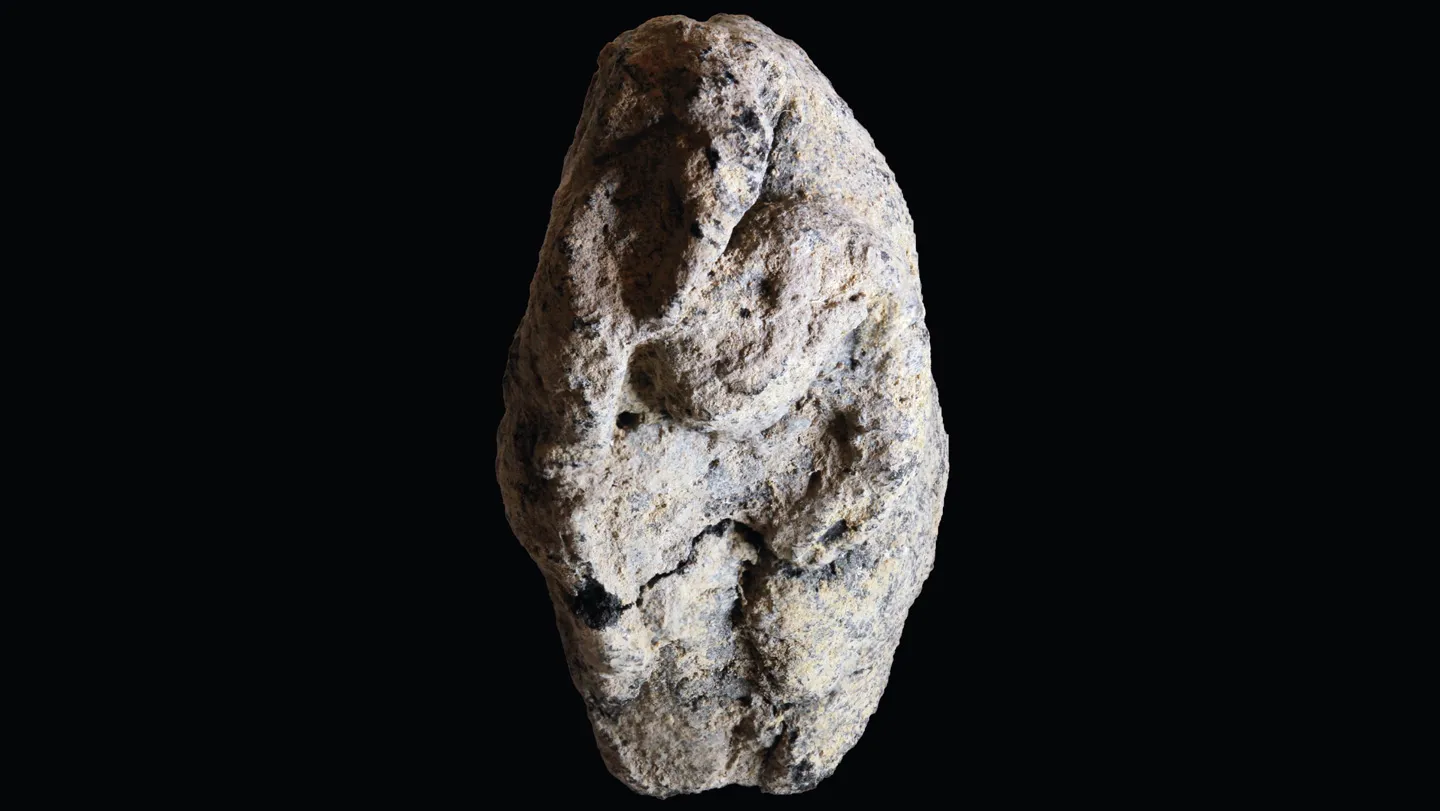
In a remarkable archaeological discovery that challenges our understanding of early human art and narrative traditions, a 12,000-year-old clay figurine unearthed in northern Israel has emerged as the oldest known depiction of an encounter between a human and a non-human animal. This tiny artifact, small enough to fit in an adult’s palm, represents a pivotal moment in human creative expression, revealing sophisticated storytelling techniques millennia earlier than previously thought.
The figurine, meticulously excavated by archaeologist Laurent Davin of The Hebrew University of Jerusalem and his colleagues, portrays a mythological scene between a goose and a woman. The artistry is surprisingly intricate for its age – the crouching goose rests on the woman’s back, its wings encircling her upper body, while its head and beak nestle against the side of her face. Researchers believe this composition likely represents an imagined or mythical mating between the two figures, suggesting complex spiritual beliefs about human-animal connections that were once thought to have emerged much later in farming communities. The findings, published in the Proceedings of the National Academy of Sciences on November 17, suggest that such naturalistic depictions reflecting spiritual beliefs began earlier than scholars previously assumed.
The figurine was discovered at Nahal Ein Gev II, a significant Natufian culture site dating from approximately 15,000 to 11,500 years ago. The Natufians represent a fascinating transitional period in human development – while they lived in permanent settlements and exhibited many characteristics of sedentary life, they were not yet agriculturalists. They hunted various animals (including geese) and gathered wild cereals, maintaining a hunter-gatherer lifestyle despite their settled communities. This context makes the figurine particularly significant, as it challenges the long-held assumption that complex figurative art depicting symbolic human-animal relationships first appeared in farming villages thousands of years later.
What makes this discovery even more remarkable is the sophisticated artistic technique employed in its creation. According to Davin, the sculptor designed the figurine to be viewed from above and at an angle, allowing light – whether from the sun or a fireplace – to cast shadows that enhanced the three-dimensional interaction between the figures. This deliberate manipulation of light and shadow demonstrates an advanced understanding of visual storytelling techniques that scholars didn’t expect to find in such an ancient artifact. The researchers speculate that the figurine may have been used by a shaman or ritual specialist to facilitate supernatural visions or conduct religious ceremonies, a theory supported by the previous discovery of a Natufian shaman’s grave at a nearby cave.
While older examples of human-animal interactions exist in cave art, including a nearly 44,000-year-old hunting scene in Indonesia, this clay portrayal represents something fundamentally different and more complex. Rather than merely documenting a hunting scene or natural encounter, the figurine appears to express a mythological narrative – a conceptual leap that suggests the Natufians were exploring spiritual connections between humans and animals through their art. “Clay might have been a medium that facilitated such new expressions,” notes Davin, pointing to how the malleable material may have enabled more sophisticated three-dimensional storytelling than previous artistic media allowed.
The diminutive size and careful craftsmanship of this ancient artwork reveal much about the cognitive and creative capabilities of our ancestors. It demonstrates that complex narrative art emerged long before the development of agriculture, challenging traditional archaeological timelines about the evolution of human creative expression. As Davin and his colleagues reassembled the figurine from three pieces found in a stone structure at the site, they uncovered not just an ancient artifact, but evidence of humanity’s enduring fascination with storytelling and myth-making. This tiny sculpture, crafted by hands that lived twelve millennia ago, connects us directly to our ancestors’ attempts to make sense of their world through art and symbolic representation – a human impulse that continues to define our species today.