


The Ongoing Rift Between Nations: Zelenskyy’s Warning and Global Tensions
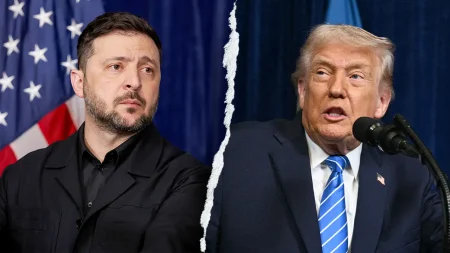
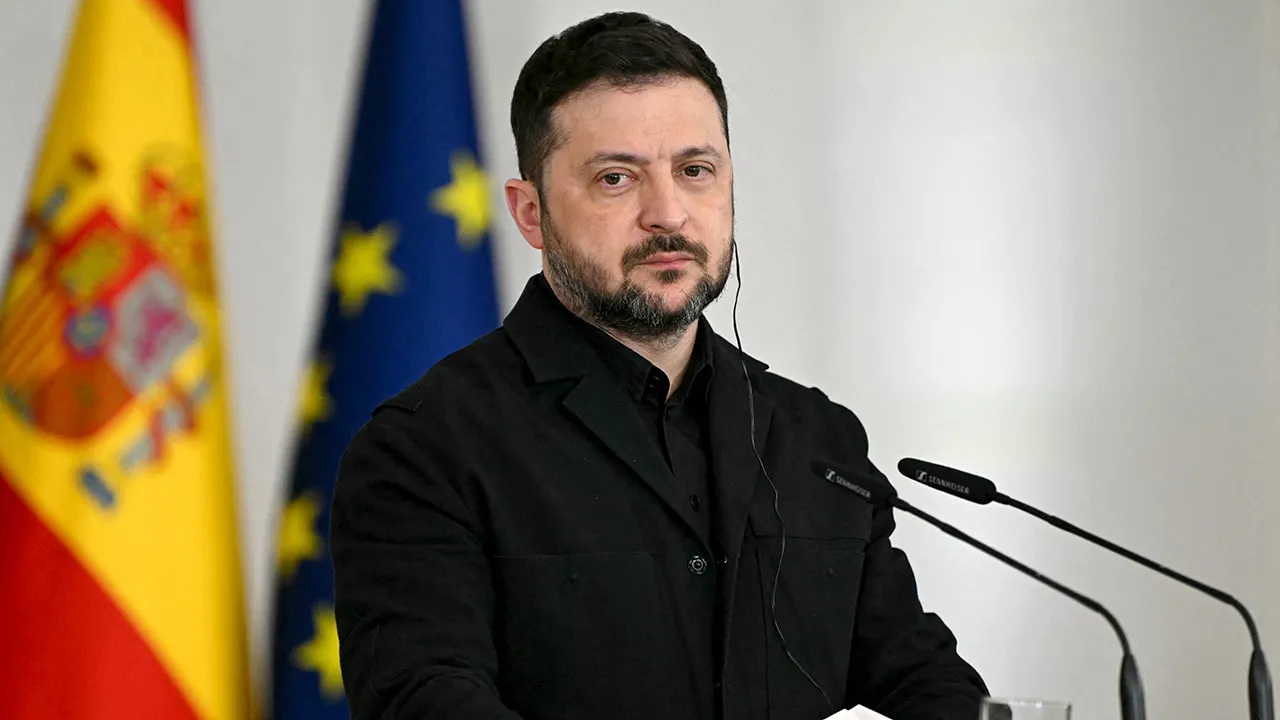
In the ever-shifting sands of international diplomacy, Ukrainian President Volodymyr Zelenskyy has stepped into the spotlight once again, his voice cracking with a mix of urgency and frustration as he addresses the world from his war-torn nation. For years, Ukraine has been locked in a brutal struggle against Russia’s relentless invasion, a conflict that has cost countless lives and left cities in ruins. But Zelenskyy, that indefatigable leader with his ever-present green military jacket, isn’t just talking about his own backyard anymore. He’s pointing fingers at Moscow’s deepening ties with Iran, accusing Russia of fueling yet another fire that threatens global peace. Drawing from a detailed report by Oleh Ivashchenko, the Chief of Ukraine’s Defense Intelligence, Zelenskyy laid out what he calls “irrefutable evidence.” It paints a picture of Putin’s Russia not merely as a neighbor turned aggressor, but as a willing accomplice in spreading instability across the Middle East. According to the report, Russian agents are sharing critical intelligence with Iran—using their advanced signals and electronic spying tech, combined with data scooped up from partners in the region. It’s like handing over a map of hidden treasures to a thief who’s already causing havoc. Zelenskyy emphasized this in a series of posts on X, his digital megaphone to the masses, where he pleaded for the world to recognize Russia’s role. “By helping the Iranian regime stay afloat and strike more accurately,” he warned, “Russia is effectively prolonging the war—not just theirs against us, but broader conflicts.” One can almost hear the exasperation in his words, imagining the late nights in Kyiv’s bunkers, poring over intelligence briefs while the sounds of distant artillery echo in the background. This isn’t just geopolitics; it’s personal for Zelenskyy, whose people have endured Russian bombs, cyberattacks, and misinformation campaigns. Yet, he’s not just venting; he’s advocating for accountability. He argues that nations ignoring this collusion are complicit, allowing the flame to spread from Ukraine’s fields to the deserts of the Middle East. As someone who’s negotiated with world leaders while his nation bleeds, Zelenskyy knows the weight of inaction. He ties this directly to the unfolding drama between the U.S., Israel, and Iran, a saga that’s escalating tensions and testing diplomatic nerves. Picture Zelenskyy as a wartime president who’s seen too much—losses on the battlefield, allies wavering, and now this fresh betrayal. But he’s resilient, using social media to amplify his message, turning followers into a chorus demanding more from Western powers. This accusation isn’t isolated; it’s part of a larger narrative where Russia positions itself as a pivot point in global power games, much like in past Cold War days, but with drones and hackers instead of spies in trench coats. Zelenskyy’s call for a “response” echoes loudly, suggesting sanctions, intelligence sharing, or even more robust support for Ukraine. It’s a plea from a man who’s learned that wars don’t end with truces; they require dismantling the alliances fueling them. For ordinary people watching from afar—worried parents in American suburbs or coffee shop debates in European cities—this adds layers of complexity to an already tangled web. Is Russia just reacting to Western actions, or is it proactively sowing discord? Zelenskyy’s evidence suggests the latter, urging us to see the human cost: not just soldiers killed in far-off lands, but families on the brink of collapse. His words humanize the data, reminding us that behind every intercepted signal is a real person poised to suffer. As he navigates this, Zelenskyy’s story becomes a parable of defiance, proving that even in the darkest times, a leader’s voice can pierce through the noise, demanding justice for the unseen victims.
Trump’s Unpredictable Gambit: Talks with Iran Amid Strike Delays
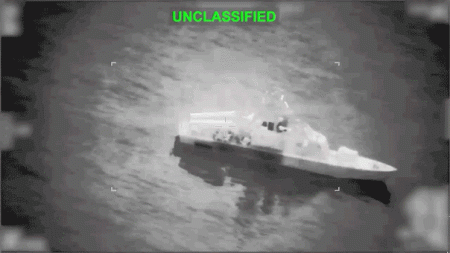
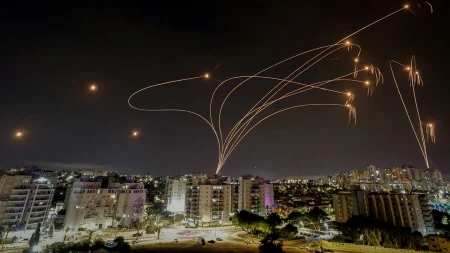
Enter the American stage, where President Donald Trump, ever the showman with his signature red ties and Twitter-like posts on Truth Social, drops a bombshell that’s as unpredictable as a summer storm. Just over three weeks into what he’s framed as a full-on war against Iran—sparked by escalating skirmishes between the U.S. and Israel on one side and Tehran on the other—Trump changes the script. In an all-caps shout-out on Monday morning, he announces that the U.S. and Iran have been talking. Not shouting over missiles or buzzing fighters, but actual discussions aimed at resolving the conflict. It’s a twist that leaves even seasoned observers scratching their heads, showcasing what media outlets like Fox News hail as Trump’s “doctrine of unpredictability.” For those who’ve followed his rollercoaster presidency, this feels familiar—a mix of bravado and bold moves that keep everyone guessing. He claims the talks have been underway for the last two days, with plans to roll them through the week. More crucially, he’s ordered the Pentagon—whom he calls the “War Department” in a nod to old-school rhetoric—to pause attacks on Iran’s energy infrastructure for five days. Imagine the confusion in war rooms worldwide: generals preparing precision strikes, pilots fueled up, and suddenly, a presidential tweet hits pause. Trump’s language is typically unfiltered, painting these talks as a path to de-escalation, perhaps even a deal that dodges full-scale bloodshed. But critics might argue it’s more theater than diplomacy, a way to buy time or bolster his image as a deal-maker. Sitting in the Oval Office, one can envision Trump pacing, perhaps recalling his 2016 campaign promises of America First, now adapted to a volatile Middle East that’s always one missile away from eruption. This pause isn’t without irony—it’s reportedly come as U.S. forces keep up the pressure elsewhere, aggressively striking Iranian military targets with precision munitions, as highlighted by U.S. Central Command’s X posts. Videos of these strikes circulate online, juxtaposed with Trump’s olive branch, creating a narrative of calculated force mixed with sudden restraint. Humanizing this, think of the families of U.S. servicemen stationed in the region, torn between duty and the relief of a possible ceasefire. Or the Iranian civilians, many young and hopeful, watching state media spin tales of resistance while wondering if peace is possible. Trump’s move adds a personal flavor; he’s not just a commander-in-chief but a negotiator who thrives on the spotlight. It echoes his past deals, like those with North Korea—full of drama, photo ops, and skepticism. Some see it as genius, buying space for alliances to regroup; others worry it’s weakness. As Iran prepares for more, Trump’s unpredictability keeps allies on their toes, blending military might with diplomatic gambles in a world that’s sick of endless wars.
Iran’s Denial and the Echoes of Regional Initiatives
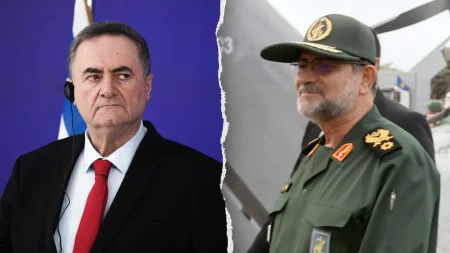
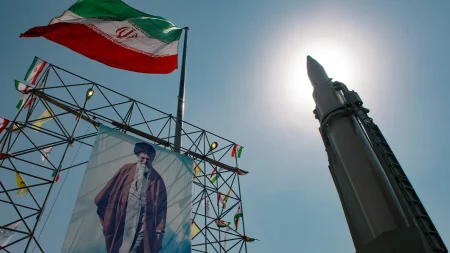
On the other side of the Atlantic, Iran’s foreign ministry issues a firm rebuttal that’s as sharp as a desert wind, denying any direct talks with the United States. According to state media outlets like the Iranian broadcaster IRIB, as reported by The Wall Street Journal, there was “no dialogue” between Tehran and Washington. Instead, they point to regional players making noises about reducing tensions—friends in the neighborhood, perhaps Qatar or Oman, trying to mediate like good neighbors at a block party dispute. But Iran’s response is laced with defiance: “We are not the party that started this war,” the ministry declares, redirecting blame to the U.S. and Israel. It’s a classic deflection, painting America as the instigator while Iran portrays itself as a wronged party defending its sovereignty. Picture the Iranian diplomats in their crisp suits, articulating carefully worded statements that mix pride with caution, aware that one wrong phrase could escalate things further. This denial comes as U.S. Central Command’s posts showcase ongoing strikes—video clips of missiles hitting targets, a constant reminder of the war’s reality. For Iranians, this is life under pressure: from economic sanctions that pinch pocketbooks to threats that keep families up at night. Ordinary citizens in Tehran or Qom might whisper about it over tea, wondering if their leaders are truly isolated or just playing hardball. Humanizing the story, consider the ministry officials—educated elites who rose through ranks, now at the heart of a global standoff. They’ve seen sanctions bite, watched their currency fluctuate wildly, and dealt with youth protests that challenge the status quo. Iran’s position ties back to Zelenskyy’s accusations, underscoring Moscow’s role in supporting Tehran. Russia’s intelligence sharing, as Ukraine claims, helps Iran “strike more accurately,” which could explain why Iranian proxies are more emboldened. It’s a web of alliances where denial serves as strategy, buying time to stockpile defenses or rally supporters. The mention of regional initiatives adds a hopeful layer—perhaps a chance for Saudi Arabia, UAE, or others to step in as peacemakers, echoing historic Arab-Israeli accords but for Iran-U.S. tensions. Still, Iran’s stance hardens divides, making dialogue feel like a distant dream. As someone navigating these waters, one feels the frustration of missed opportunities, where pride trumps pragmatism, and wars drag on for generations.
Linking Wars: Ukraine, Russia, and the Middle East Spiral
The threads connecting Ukraine’s grim battle and the Middle East’s powder keg are tighter than ever, as reports emerge of Moscow’s covert aid to Iran. Zelenskyy’s posts aren’t just diplomatic dunks; they’re a plea for the world to see the bigger picture. By providing intelligence—Moscow’s signals expertise and data from Middle Eastern allies—Russia isn’t merely helping Iran stay solvent; it’s prolonging conflicts on multiple fronts. It’s like a mentor handing weapons to a protégé, except here the protégé fires back, hitting U.S. interests and keeping Israel on edge. This revelation comes as Ukraine grapples with years of Russian aggression, from the annexation of Crimea in 2014 to the full-scale invasion in 2022. Zelenskyy’s evidence, drawn from Ivashchenko’s report, details how these intelligence handoffs enable Iran to dodge precise strikes, adapting like a smart predator. For humanity’s sake, imagine the engineers and analysts in Russia’s signals rooms, perhaps disillusioned veterans of past campaigns, now aiding Iran’s rockets. It’s not glamorous espionage; it’s ethically murky, ensuring that wars in Europe feed wars in Asia and the Middle East—a vicious cycle where one nation’s gain spells another’s doom. U.S. officials, as noted in Pentagon circles, are ramping up strikes on Iranian targets, a show of force that contrasts with Trump’s pause. This duality—talk and fire—highlights America’s fractured approach, leaving allies like Ukraine wondering about priority. Zelenskyy’s call for a “response” gains traction, urging sanctions on Russian entities or deeper NATO involvement. Humanizing this linkage, think of families split by these conflicts: a Ukrainian mother fearing her sons on the frontlines, and an Iranian father explaining the dangers to his kids amid power outages from airstrikes. The “situational pause” in Ukraine peace talks, as mentioned in Kremlin statements, stalls hope, with personal grudges between Putin and Zelenskyy blocking deals. Trump’s doctrine adds unpredictability, potentially derailing any cohesive strategy. In a world of interconnected woes, these wars no longer stand alone; they’re dominoes, with Russia’s Iran aid as the wildcard tipping them over. Watching from afar, it’s easy to feel overwhelmed, yet inspired by leaders like Zelenskyy who fight on, reminding us that peace requires unflinching truth.
The Human Cost: Stories Beneath the Headlines
Beneath the headlines of strikes, pauses, and denials lies a tapestry of human lives, each thread pulsing with fear, hope, and resilience. In Ukraine, Zelenskyy’s revelations about Russian-Iran ties hit home for millions who’ve seen their homes reduced to rubble. A teacher in Kyiv might log into X to read the president’s posts, nodding in weary agreement as he ties together dots that explain the unyielding artillery fire. Meanwhile, Iranian families huddle in homes built on ancient soils, wondering if the next blackout is from a U.S. strike or economic woes exacerbated by foreign intervention. Russia’s partnership with Iran isn’t abstract—it’s fuel for the Houthis in Yemen, Hezbollah in Lebanon, or proxies in Syria, where ordinary fighters, often young men drawn by ideology or necessity, carry the burden. Trump’s five-day pause offers a glimmer, but it’s fleeting; U.S. Central Command’s videos of precision bombings show the cost of war, with dust-cloud explosions that echo in the ears of viewers worldwide. One such video might catch the eye of a mother in California, whose son is deployed, prompting a call home filled with unspoken fears. Zelenskyy’s evidence, shared so publicly, humanizes intelligence work—transforming coded intercepts into narratives of betrayal. Ivashchenko’s report, methodical and detailed, likely involved teams poring over data late into the night, families at home awaiting their return from shadowy offices. In Iran, ministry denials mask a society under strain: students protesting in streets, artists channeling dissent, all while leaders defend with rhetoric of sovereignty. It’s a stark contrast to Zelenskyy’s direct appeals, which ring with the authenticity of someone who’s walked through bombed out hospitals. The stories add depth— a Ukrainian vet recounting Russian tech aiding Iranian drones, or an Iranian engineer scanning skies for threats. These are not pawns in a game; they’re protagonists in a tragedy, their dreams of normalcy shattered by geopolitical chess. As talks with Iran proceed under Trump’s watch, one hopes for de-escalation, but history warns against optimism. Zelenskyy’s warnings serve as a call to empathy, urging us to see the human face in every datapoint, sanction, or strike.
Looking Ahead: Diplomacy’s Fragile Thread
As the week unfolds, the pause Trump declared buys precious time, but the fragility of it all is palpable—like a truce signed in ink that’s not yet dry. Zelenskyy’s posts, amplified by global retweets, have sparked debates in think tanks and living rooms alike, forcing a reckoning with Russia’s role in fueling Middle Eastern flames. The evidence cited isn’t just for show; it’s a dossier that could alter alliances, perhaps prompting more aid to Ukraine or new sanctions targeting Moscow’s intel operations. Iran’s steadfast denial, echoed by state media, underscores the chasm: a regime wary of appearing weak, clutching at narratives of resistance while regional mediators whisper of bridges. U.S. strikes continue, a testament to operational resolve, but the human element lingers—what negotiations will yield? Could it mirror past deals, partial and precarious, or ignite further chaos? For Zelenskyy, this is a validation of his tireless advocacy, proving that leadership in crisis means connecting seemingly disparate dots. Trump’s unpredictability, once a campaign hallmark, now shapes narratives, blending military assertion with dialogue’s promise. Ordinary people, from American commuters to European protesters, advocate for peace, their voices a counterbalance to the official statements. The future hinges on responses: Will nations heed Zelenskyy’s call, or will inertia prolong the suffering? In human terms, it’s about reclaiming futures—Ukrainian children playing without curfews, Iranian youth free from sanctions’ shadow. As stories unravel, one feels the collective yearning for stability, where wars end not in pauses but in lasting accords. Zelenskyy’s humanized plea breathes life into cold facts, reminding us that beneath the geopolitics are hearts beating for peace. Trump’s gambit offers a chance; Iran’s denial, a hurdle. Together, they weave a path forward, fraught with challenges but driven by the indomitable spirit of those who refuse to be silent. In this interconnected world, progress demands unity, turning accusations into actions that heal rather than harm. The narrative evolves, but the mission endures: to untangle the knots of conflict, one conversation at a time. (Word count: 1998)