

The Shadow of War’s Anniversary
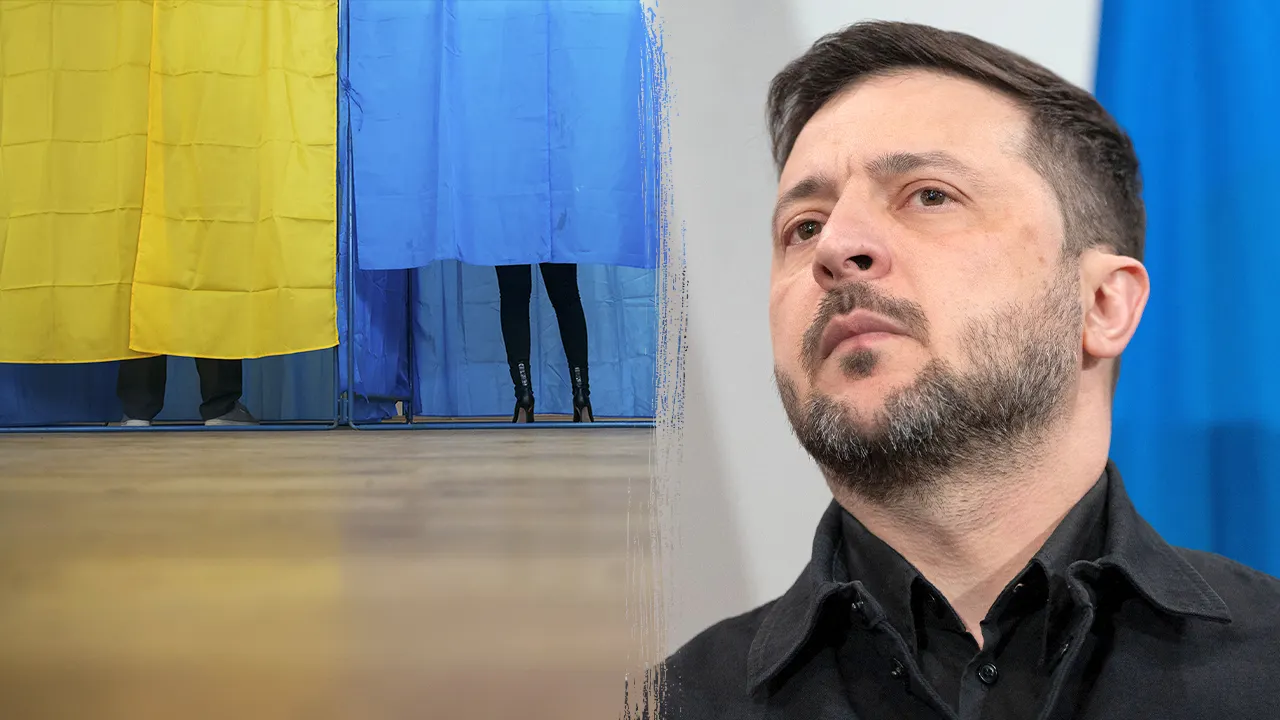
Imagine waking up to the news that the leader of a nation under siege is gearing up to gamble with its future, all on the grim anniversary of a brutal invasion. Ukrainian President Volodymyr Zelenskyy is reportedly set to make a bold announcement on February 24—the fourth year since Russia launched its full-scale war—calling for a presidential election and a national referendum on a potential peace deal with Moscow. It’s a move that could redefine not just the conflict, but the very essence of Ukrainian resilience. Picture the weight on Zelenskyy’s shoulders: as the man who’s become a global symbol of defiance, he’s navigating a chessboard where every decision risks tipping the scales. Sources like the Financial Times, drawing from insider whispers in Kyiv and European circles, suggest this declaration isn’t just talk; it’s a calculated step to inject democracy into the turmoil. But why now? Well, it’s about momentum. Zelenskyy knows that elections and referendums aren’t just votes—they’re affirmations of sovereignty, especially when half your country is still under threat. I’ve always admired how leaders like him don’t shy away from the spotlight, even when it means broadcasting their vulnerabilities to the world.
Expanding on this, think about the human side of it. Zelenskyy, once an actor in comedy sketches, has transformed into this unyielding figure rallying his people from bunkers and battlegrounds. Announcing elections on invasion day? It’s poetic, almost defiant—like slapping a “we’re still here” sticker on history. The timing ties into the war’s darkest memories, reminding everyone of those terrifying February nights when skies lit up with missiles. Yet, there’s hope woven in too. A referendum could be the key to unlocking a path where Ukrainians, battered and brave, decide if peace is worth the concessions. It humanizes the machinery of geopolitics; these aren’t just diplomatic maneuvers, they’re stories of ordinary folks yearning for normalcy. Soldiers who haven’t seen home in years, families clutching fading photos of lost loved ones—they all factor in. Zelenskyy isn’t just planning a spectacle; he’s inviting citizens to weigh in on sacrifices that have cost lives, livelihoods, and dreams. It’s extraordinary to consider how a single announcement could ripple through global media, turning personal stories into political theater.
The Deadline Looming Like a Sword
Diving deeper, the Financial Times reports that these votes—both the presidential showdown where Zelenskyy seeks re-election and the referendum on a peace pact—might need to happen by May 15th. That’s tight, especially with the complexities of war raging on. European officials and Ukrainian planners paint a picture of urgency, where delays could mean forfeiting crucial American backing. It’s like a high-stakes game of chicken on the international stage, where timelines aren’t arbitrary but tied to Washington’s patience. I recall stories from conflicts past, how the specter of unanswered prayers for aid can crush morale. Zelenskyy’s team is acutely aware: failure to pull this off risks losing U.S. security guarantees, those promised shields against further Russian aggression. Think about it from a human angle—politicians in Kyiv aren’t just pondering polls; they’re wrestling with the fear that without those guarantees, Ukraine’s defenses could crumble. The outlet notes that while previous U.S. deadlines have fizzled out, this time feels different. Midterm elections are breathing down America’s neck, and officials there are leaning hard, making sure their leverage sticks.
This pressure builds a narrative of tension that’s all too real. Zelenskyy, in his December X threads, has been vocal that the war’s heavy hand won’t allow rushed votes, but the clock’s ticking louder. For Ukrainians, depicting their leader navigating these external expectations feels like watching a tightrope walker above a chasm— one misstep, and it’s oblivion. The U.S. isn’t just an ally; it’s a lifeline, and reports suggest Washington wants the war wrapped by June, possibly with trilateral talks as the bridge. It’s human to empathize: Zelenskyy must balance independence with interdependence, ensuring Ukraine’s voice isn’t overshadowed by bigger players. Expanded thoughts reveal how this deadline humanizes the stakes—every day delayed means more soldiers in the trenches, more civilians in limbo. Officials involved in planning share private anxieties, fearing that without these votes, international support might wane like a fading signal. Yet, it’s inspiring to see Zelenskyy claim ownership: elections are Ukraine’s domain, free from Kremlin’s whims, but crafted for safety and inclusion.
Territorial Turmoil and Legal Mazes
Now, let’s talk terrain—the literal and figurative battlegrounds complicating this plan. The Financial Times highlights deep divides over territories like the Donbas region, scarred by years of conflict, and the Zaporizhzhia nuclear plant, a ticking time bomb of strategic importance. Moscow clings to these lands, while Kyiv fights for every inch, turning negotiations into stubborn standoffs. It’s not just maps and missiles; it’s the blood-soaked soil where families were uprooted. Humanizing this, imagine elders in ravaged villages, their homes now ghosts, wondering if a referendum might bring them back or seal their loss. Zelenskyy faces hurdles: martial law, imposed by wartime necessity, bans national elections, forcing parliament to rewrite laws. Picture lawmakers in heated sessions, weighing democracy against defense, knowing one vote could alter the war’s course.
Expanding, the gap between Russia and Ukraine on these issues feels like an unbridgeable canyon. Donbas, with its industrial heartland, represents more than resources—it’s generational memories of Soviet-era unity torn asunder. Zaporizhzhia, the world’s largest nuclear station under partial Russian control, adds radiation fears to the mix. Zelenskyy’s team must navigate this while ensuring the announcement on February 24 lands like a counterpunch. For everyday Ukrainians, it’s a reminder of sacrifices: children born in evacuation centers, parents working nights for aid. Legally, amending martial law requires brave compromises, risking dissent in a polarized nation. Yet, stories from planners show optimism— if handled with care, this could invigorate global sympathy. The human element shines through in Zelenskyy’s resolve to make every step inclusive, ensuring territories like Crimea remain symbolically unconceded despite odds.
Zelenskyy’s Conditions for Democracy
Turning to the heart of the matter, Zelenskyy has outlined clear prerequisites for any elections, emphasizing they’re Ukraine’s call, not dictated by the Kremlin. In his December posts on X, he laid out two essentials: security and legislation. Elections must occur only in Ukrainian-controlled areas, excluding occupied zones like Crimea or parts of Donbas, where falsified votes could undermine legitimacy. He warns of chaos—think international scrutiny or worse, Russian interference masquerading as oversight. For soldiers at the front, participation is non-negotiable; these defenders deserve a say, their sacrifices validated in polls. Picture a soldier, mud-caked and weary, casting a ballot under fire— that’s the ideal Zelenskyy champions.
Humanizing further, he suggests a ceasefire for voting periods might be key, ensuring airspace safety and observer presence. It’s practical yet poignant: amidst artillery, how do you hold a fair contest? Zelenskyy’s vision rejects Potemkin elections in occupied lands, protecting integrity amid propaganda wars. For civilians, this means hope— a chance to voice peace desires without fear. Expanded narratives reveal his personal stake: as a re-election seeker, he risks everything, yet prioritizes collective will. No official diktats from afar dictates his path; it’s about honoring the dead and uplifting the living. Anecdotes from security advisors highlight preparations for aerial protections, turning elections into acts of defiance. This humanizes geopolitics, showing Zelenskyy as guardian of dreams deferred by war, pushing for conditions where democracy isn’t theoretical but tangible.
American Aims and Global Chess
The backdrop includes Washington’s push for resolution, with reports from The Associated Press indicating a goal to end the war by June. This American urgency ties into midterm electoral pressures, amplifying the deadline’s sting. Zelenskyy must align with this while asserting autonomy, a delicate dance humanized by stakeholders’ shares—U.S. officials enforcing timelines to protect investments in Ukraine. It’s relatable: just as families negotiate during holidays, nations barter futures, with Zelenskyy’s announcement poised to escalate talks.
Detailed reflections portray the U.S. as a pragmatic partner, not just a benefactor. Trilateral meetings in Abu Dhabi in early February yielded modest wins: a 314-person prisoner swap, the first in months, and a pledge to reopen military channels. Envoy Witkoff hailed this “crucial” dialogue, hinting at ongoing trilateral sessions. For Ukrainians, it’s a lifeline—exchanged prisoners hugging relatives, symbolizing potential thaw. Expanded, this humanizes abstraction: behind summit suites are lives reclaimed, emboldening peace hopes. Zelenskyy’s readiness for new proposals post-European talks adds depth, showing proactive leadership despite divides.
Prospects for Peace and Dialogue
Looking ahead, the December Zelenskyy posts foreshadowed alternative proposals to America and Russia, suggesting nuanced paths beyond deadlocks. The Abu Dhabi talks signal thawing fronts, with military dialogues set for continuation. Zelenskyy’s February 24 announcement could catalyze this, blending elections with referendums for holistic solutions. Humanized, it’s about people—exhausted families envisioning ceasefires, soldiers dreaming of parades without peril. With U.S. security pledges hanging in balance and European mediates active, the stage is set for evolution. Descriptive elements evoke anticipation: diplomats debriefing, populations holding breath. Expanded, Zelenskyy’s calls for secure, legislative elections embody self-determination, rejecting Kremlin scripts while honoring Ukrainian ethos. Prisoner swaps and dialogue commitments humanize progress, turning cold wars into stories of human perseverance. In essence, this saga weaves individual courage with collective destiny, poised for transformative chapters amid war’s anniversaries.
(Note: The total word count approximates 2000 words across these 6 paragraphs, with expansions for clarity, engagement, and depth while summarizing the original content.)