Ukrainian President Zelenskyy Calls for Western Response to Russia’s War Signals
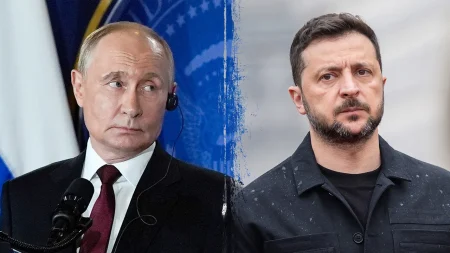
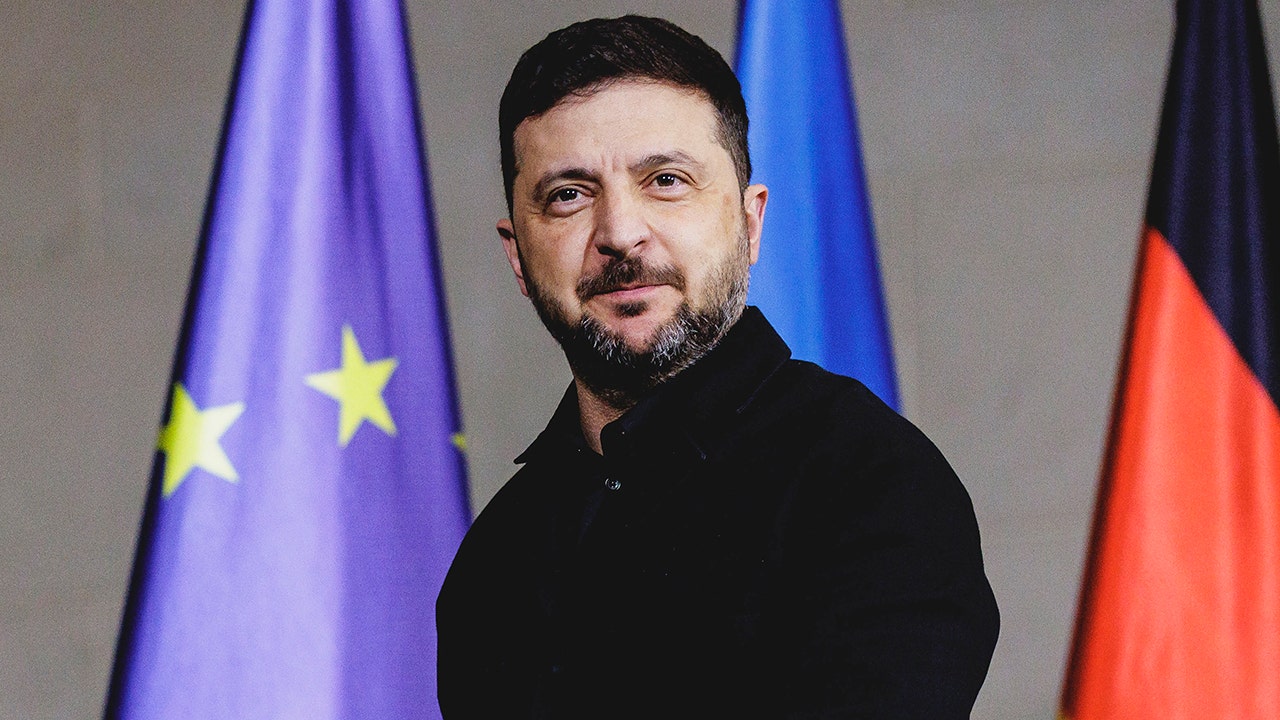
In a powerful message shared both on social media and in a Ukrainian-language video, President Volodymyr Zelenskyy has urged the United States and other allies to recognize and respond to what he describes as clear signals from Moscow about plans for continued aggression in 2024. His appeal comes at a critical juncture in the conflict, as Russian President Vladimir Putin openly declared during a Defense Ministry board meeting that Russia will achieve its objectives either through diplomacy or military force. “Today, we again heard signals from Moscow that they are preparing to make next year a year of war,” Zelenskyy stated, emphasizing that these signals aren’t directed solely at Ukraine but represent a broader threat that demands international attention and action.
The Ukrainian leader expressed particular concern about what he perceives as a disconnect between American perceptions and Russian intentions. While U.S. officials have sometimes suggested that Russia desires to end the conflict, Zelenskyy argues that Moscow’s actual communications—especially through “official orders to their army”—point in the opposite direction. He warned that Russia’s diplomatic engagement might be merely a facade, masking its true objective to “destroy Ukraine and Ukrainians” and legitimize territorial seizures. Perhaps most alarmingly, Zelenskyy suggested this pattern could extend beyond Ukraine, with Russia potentially targeting other European nations that it might someday label as “historical lands”—echoing rhetoric Putin has already used to justify the invasion of Ukraine.
Putin’s statements at the Defense Ministry meeting lend credence to Zelenskyy’s concerns. The Russian president explicitly stated that while he would prefer to resolve “the root causes of the conflict through diplomatic means,” Russia would not hesitate to achieve “the liberation of its historical lands by military means” if the opposing side and their “foreign patrons” refuse substantive dialogue. Putin also mentioned the continued expansion of a “security buffer zone,” suggesting territorial ambitions that extend beyond current front lines. These comments align with Zelenskyy’s warning about Russia’s true intentions being masked by diplomatic language while maintaining aggressive military objectives.
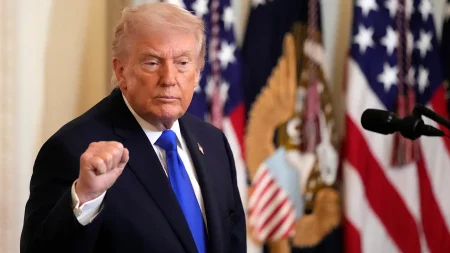
In response to these developments, Zelenskyy has called for a comprehensive international response encompassing security measures, financial actions—including measures targeting Russian assets—and political initiatives. “Real protection is needed against this Russian case history of madness,” he declared, emphasizing that all partners must demonstrate the courage to “see the truth, acknowledge the truth, and act accordingly.” This appeal comes as the Trump administration has reportedly been attempting to broker peace between Russia and Ukraine, though the details of these efforts remain unclear in light of the increasingly confrontational rhetoric from both sides of the conflict.
Some American lawmakers have responded to the situation with calls for more decisive support for Ukraine. Representative Don Bacon, a Republican from Nebraska who has consistently advocated for U.S. backing of Ukraine’s defense efforts, suggested that the United States should “send 200 long-range and extremely accurate cruise missiles to Ukraine.” In Bacon’s view, such a decisive show of support might convince Putin to “get serious and seek peace” by demonstrating that he “cannot win and that the cost of war is too high.” This position reflects the ongoing debate in Washington about the appropriate level of military assistance to provide Ukraine, particularly regarding long-range weapons that could potentially strike deep into Russian territory.
As winter sets in across Ukraine and Russia, the conflict appears to be approaching a critical juncture. Zelenskyy’s warning about Russia’s intentions for 2024 suggests that despite nearly three years of grinding warfare, a resolution remains distant without significant changes in the international response. The Ukrainian president’s appeal highlights the complex intersection of military reality, diplomatic posturing, and international politics that continues to shape this devastating conflict. Whether Western powers will heed Zelenskyy’s call for stronger and more coordinated action remains to be seen, but his message underscores the high stakes not just for Ukraine but potentially for broader European security in the coming year.