

Zelenskyy Shifts Stance on Ukrainian Elections Amid War and International Pressure
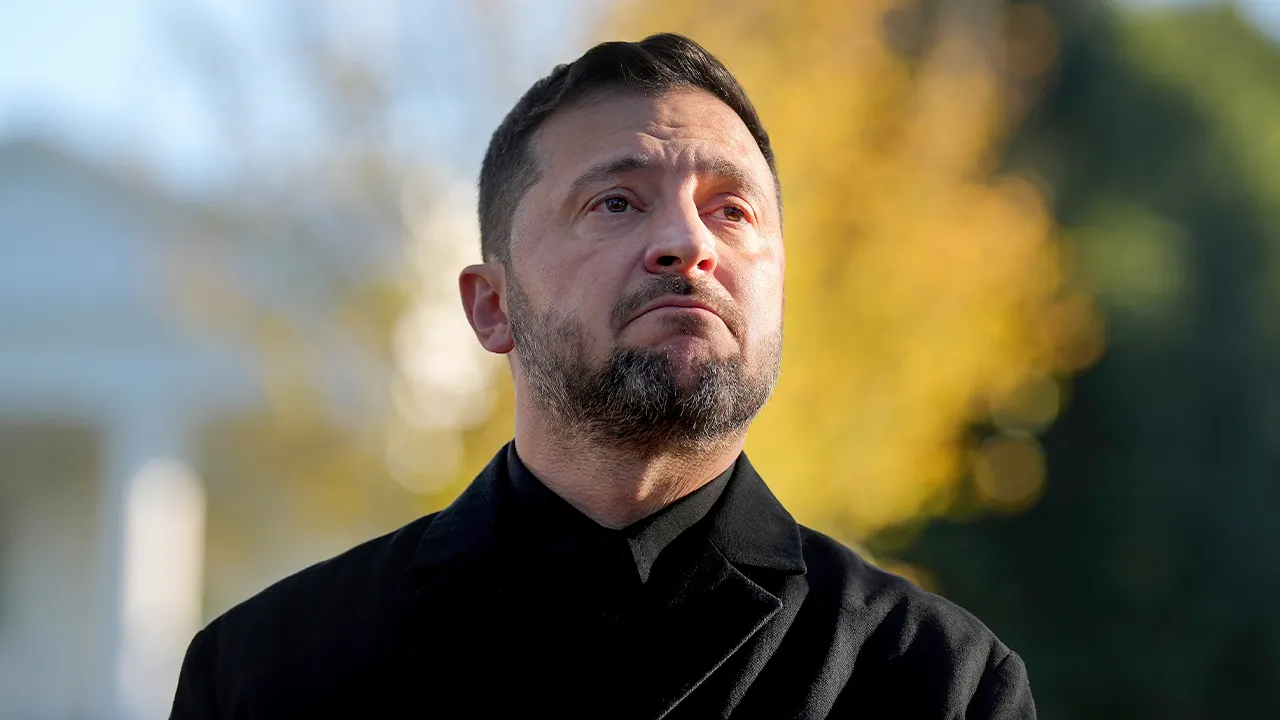
In a significant policy shift, Ukrainian President Volodymyr Zelenskyy has announced his country’s potential readiness to hold elections for the first time since Russia’s 2022 invasion. This declaration comes amid growing pressure from U.S. President Donald Trump, who has criticized Ukraine’s democratic credentials as the war approaches its fourth year. Zelenskyy, whose term officially expired in May 2024, has identified two primary obstacles to holding elections: security concerns and the need for legislative amendments to allow voting under martial law. His newfound openness to elections represents a notable change in position for a leader who has previously resisted calls for a vote while his country remains under martial law—a stance that polling suggests most Ukrainians have supported.
The timing of Zelenskyy’s announcement appears directly connected to recent criticisms from President Trump, who has publicly questioned Ukraine’s democratic legitimacy. “They talk about a democracy, but it gets to a point where it’s not a democracy anymore,” Trump told Politico, labeling Zelenskyy a “dictator without elections.” This pressure from Ukraine’s most significant military backer comes at a delicate moment, as Trump’s administration has been actively working to broker a peace deal between Ukraine and Russia. Zelenskyy seems to recognize that maintaining American support requires addressing these democratic concerns, even amidst the ongoing conflict that has devastated his country since February 2022.
In his announcement, Zelenskyy made a direct appeal to the United States and European allies for security assistance to facilitate elections, suggesting Ukraine could be prepared to hold a vote within 60 to 90 days if such guarantees were provided. “I am now asking—and I am stating this openly—for the United States, possibly together with our European colleagues, to help me ensure security for holding elections,” Zelenskyy told reporters via WhatsApp. This request underscores the practical challenges of conducting a nationwide democratic process in a country where active combat continues in eastern regions and millions of citizens remain displaced or living abroad as refugees.
The backdrop to this electoral discussion is the Trump administration’s intensifying efforts to end the Russia-Ukraine war through diplomatic means. Late last month, the White House presented a 28-point peace plan that Ukrainian and European officials reportedly found too favorable to Russian interests. Subsequently, Ukrainian officials met with White House envoy Steve Witkoff to revise these proposals, with Zelenskyy publicly affirming Ukraine’s commitment to peace negotiations. “We are working very actively on all components of potential steps toward ending the war,” Zelenskyy posted on social media, adding that Ukraine and European partners have developed their own components they intend to present to American counterparts.
President Trump’s criticisms extend beyond electoral matters to the peace process itself, with the U.S. leader claiming Zelenskyy wasn’t fully informed about recent peace proposals. “They haven’t had an election in a long time,” Trump noted in his Politico interview, while also suggesting that the Ukrainian president had not read the White House’s most recent peace plan. These comments highlight the complex dynamics at play, where military aid, democratic legitimacy, and peace negotiations have become increasingly interconnected in U.S.-Ukraine relations under the Trump administration. Zelenskyy’s sudden willingness to consider elections appears to be a strategic response to maintain American support at a critical juncture.
As Ukraine approaches the fourth year of a devastating war that has claimed thousands of lives and reshaped European security, the question of elections has become a pivotal issue in its relationship with Western allies. Zelenskyy has instructed lawmakers from his party to develop legislative proposals that would enable elections despite martial law restrictions—a legal hurdle that has previously prevented votes from being held. His statement that Ukraine could be ready for elections within two to three months represents both a concession to international pressure and an attempt to preserve Ukraine’s democratic credentials during wartime. Whether such elections could be free, fair, and inclusive remains uncertain, particularly for territories under Russian occupation and millions of displaced Ukrainians. Nevertheless, Zelenskyy’s willingness to address this challenge signals his recognition that Ukraine’s democratic legitimacy remains essential to maintaining international support in its existential struggle against Russian aggression.