






The Unexpected Resignation
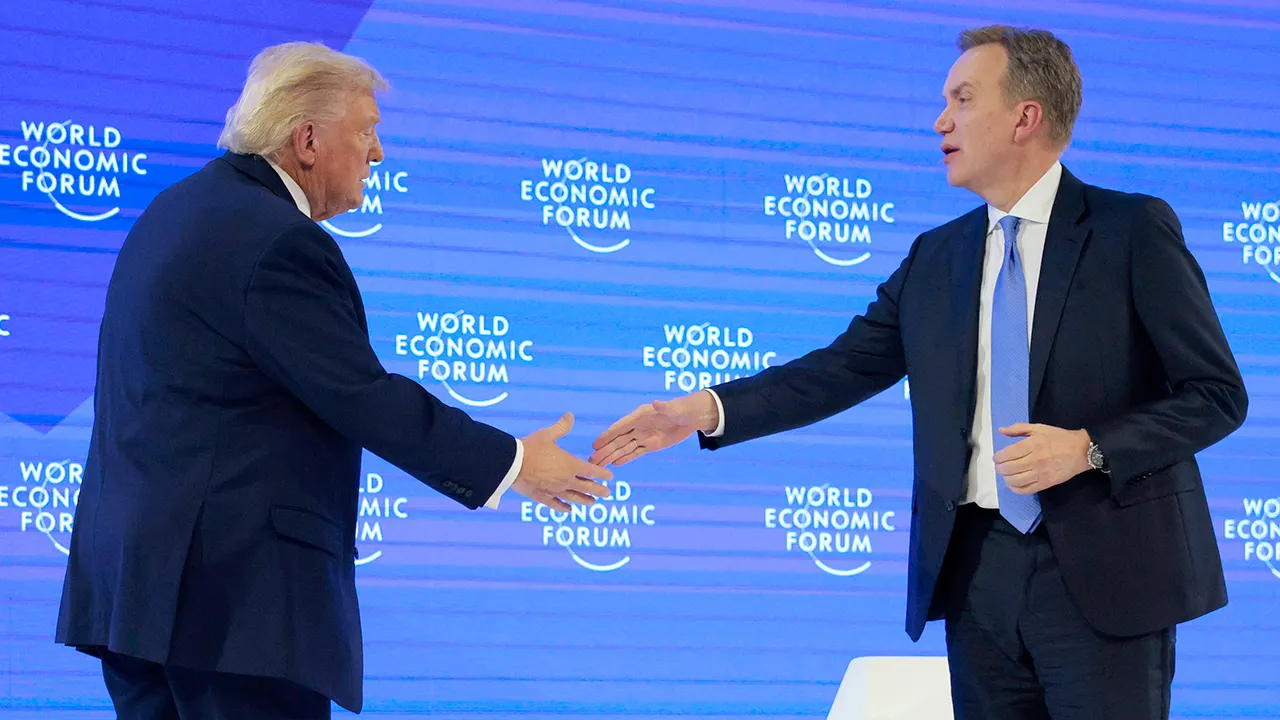
In a surprising turn of events that has shaken the global elite, Børge Brende, the Norwegian diplomat and leader of the World Economic Forum, announced his decision to step down from his position as president and CEO. It feels like one of those moments where personal history collides with public scrutiny in the most uncomfortable way, leaving everyone to reflect on the fragility of reputations in today’s hyper-connected world. Brende, a man whose career spanned high-profile roles in government and philanthropy, had become a symbol of international cooperation through his work with the WEF. But now, amid swirling questions about his past interactions with Jeffrey Epstein, the disgraced financier whose name has become synonymous with scandal, Brende chose to walk away to protect the organization’s integrity. This isn’t just a story about a resignation; it’s a reminder that even those at the pinnacle of influence can find themselves entangled in webs spun long before they knew the full picture. As news broke, people couldn’t help but think about how Epstain’s shadow continues to cast dark clouds over so many lives, forcing individuals to confront connections they might have wished they’d never made. The announcement came in a heartfelt statement, where Brende expressed deep gratitude for the collaborative spirit of his colleagues, partners, and stakeholders who’ve supported him over the years. Words like that make you wonder about the weight he was carrying—being part of something as grand as the World Economic Forum must feel like nurturing a global garden, only to have an unwelcome weed threaten the whole plot. He called this “the right moment” for the forum to push forward undisturbed, a poignant nod to the distractions that Epstein’s legacy inevitably brings. It’s easy to imagine Brende agonizing over this choice, perhaps replaying those dinners in his mind, piecing together what he might have missed along the way. The World Economic Forum, with its mix of business leaders, politicians, and thinkers gathering annually in Davos, represents a beacon of dialogue in a divided world. Yet, this step-down highlights how even noble endeavors can be tainted by associations that, in hindsight, seem like red flags waving in the night. As Brende exits the stage, one can’t help but feel a tinge of sympathy for a man who, by all accounts, was trying to build bridges, not hide in the shadows. The public’s reaction has been mixed—some see this as a principled act of accountability, while others question if it’s enough to erase the stain. In interviews and social media threads, everyday folks are weighing in, turning this elite drama into a conversation about ethics and the cost of ignorance. Brende’s decision feels like a human story amidst the grandeur: a leader choosing humility over stubbornness, acknowledging that sometimes the best way to lead is to step aside.
Uncovering the Epstein Links
Diving deeper into what led to Brende’s resignation, it’s clear the revelations about his ties to Epstein were the tipping point, much like peeling back layers of an onion to reveal something pungent beneath. According to disclosures from the U.S. Justice Department, Brende had attended three business dinners with Epstein and exchanged communications through emails and text messages. These aren’t just vague connections; they paint a picture of a man dipping his toes into circles he’d later wish he’d avoided. Epstein, for those familiar with his story, was a billionaire with a knack for befriending the powerful, only to be exposed as a predator convicted of sex trafficking in 2008. Brende, it seems, was unaware of this darker side. In his own words, shared through Reuters, he explained that he first met Epstein at a dinner invitation from former Norwegian Deputy Prime Minister Terje Rod-Larsen, a figure known for his peacemaking efforts in the Middle East. That initial encounter, perhaps like any networking event— full of pleasantries, business talk, and the clink of glasses—led to two more similar gatherings, all peppered with a handful of emails and SMS exchanges. Brende described these as the entirety of his involvement, emphasizing he was “completely unaware of Epstein’s past and criminal activities.” Reading between the lines, you can almost hear the regret: “Had I known about his background, I would have declined the initial invitation to join Rod-Larsen and any subsequent dinner invitations or other communications.” It’s a statement that humanizes him, showing a person reflecting on what-ifs, on the blindness that comes from trust in others. Epstein’s web was vast, ensnaring diplomats, celebrities, and politicians worldwide, including those from Europe. Norway, with its progressive image, now finds itself at the epicenter of this storm, questioning its own elite circles. Brende’s admissions bring to mind the universal experience of meeting someone influential only to learn later they’ve got skeletons in the closet—how many of us have done business lunches that felt innocuous until hindsight kicks in? The World Economic Forum, in its commitment to transparency, initiated an independent review by outside counsel, which concluded there were no additional concerns beyond what had been disclosed. This echoes the wider Epstein saga, where revisiting the past uncovers uncomfortable truths, forcing institutions and individuals to reckon with complicity, real or perceived.
The Forum’s Response and Integrity Check
The World Economic Forum’s handling of the situation offers a glimpse into how organizations navigate these minefields, striving to balance accountability with continuity. In a formal statement, the WEF described the process that unfolded after the disclosures: the Governing Board, recognizing the gravity of Brende’s links to Epstein, requested the Audit and Risk Committee to investigate, leading to an independent review. It’s a methodical approach, akin to a family gathering to discuss a brewing scandal—everyone sits down, facts are laid out, and decisions are made collectively. The review, conducted by external lawyers, wrapped up by affirming that nothing new emerged beyond the conversations with Epstein, underscoring the forum’s dedication to “transparency and maintaining its integrity.” This declaration feels reassuring in a time when trust in global institutions is wobbly, much like hearing from a trusted friend that they’ve audited their own actions and found them above board. For Brende, stepping down wasn’t forced upon him; it was a choice framed as something to shield the WEF from “distractions.” Distractions— such a benign word for the whirlwind of media coverage, public questioning, and ethical debates that Epstein’s name invariably stirs. Imagine the board meetings where this played out: earnest discussions about the forum’s mission to foster sustainable economic growth, social innovation, and collaboration among the world’s leaders. Brende’s tenure saw the WEF tackle pressing issues like climate change and inequality, and his departure might leave a void in that leadership. Yet, the forum’s resilience shines through; it’s not crumbling but adapting, proving that even amidst scandal, the show can go on. The governing board’s decision to pursue this internal examination also raises awareness about how organizations can model ethical behavior. In our personal lives, we often face similar crossroads—do we admit a mistake to preserve relationships, or let it fester? Here, the WEF chose the path of openness, humanizing an entity often seen as aloof and elite. This episode challenges the perception of forums like Davos as exclusive clubs, reminding everyone that they’re comprised of individuals grappling with the same moral dilemmas we all encounter.
Appreciation from the Co-Chairs
As the dust settles on Brende’s exit, the voices of the World Economic Forum’s co-chairs emerge with a tone of genuine respect, offering a heartfelt send-off that underscores the humanity behind these seismic shifts. André Hoffmann, known for his philanthropy through the family-founded Hoffmann-La Roche, and Larry Fink, the CEO of BlackRock who steers trillions in investments, jointly expressed their appreciation for Brende’s contributions. In a statement released on behalf of the board of trustees, they highlighted his “significant contributions to the World Economic Forum,” painting a picture of a dedicated leader who poured himself into the organization’s goals. Words like these carry weight, evoking the sense of camaraderie in high-stakes environments where teamwork is paramount. They went on to “respect his decision to step down,” acknowledging the personal call it must have been for Brende, much like a coach respecting a player’s choice to bow out gracefully. Reading this, one can’t help but envision late-night convos at Davos, where ideas flowed freely and alliances formed—Brende was part of that tapestry, bringing his diplomatic heft from his days as Norway’s foreign minister. His impact spanned events that shaped global narratives, from youth initiatives to dialogues on artificial intelligence. This departure isn’t framed as a dismissal but as a mutual understanding, a nod to tenure’s natural ebbs. In many ways, it mirrors life transitions we all face: careers ending not with acrimony but with thank-yous and well-wishes. Hoffmann and Fink’s tribute feels like a bridge-building moment, reaffirming that even in the wake of controversy, professionalism endures. For Brende, this recognition must provide some solace, validating his years of service against the backdrop of Epstein’s notoriety. The co-chairs’ message also subtly reinforces the forum’s forward momentum, assuring stakeholders that while one face leaves, the collective mission persists. It’s a reminder that organizations are about people, and how leaders handle exits can set the tone for those who remain.
Broader Norwegian Context and Related Scandals
Zooming out from Brende’s story, the Epstein revelations have reverberated through Norwegian society, pulling in figures like former Prime Minister Thorbjørn Jagland, who found himself hospitalized amid the probe’s intensity. Jagland, once a key player in international affairs and a Nobel Peace Prize laureate, is emblematic of how Epstein’s reach extended into the highest echelons of Norwegian politics. His hospitalization adds a layer of personal vulnerability to this unfolding drama, turning public scrutiny into a human crisis. One can’t trivialize the toll—imagine the stress of being tied to Epstein’s network, with old emails and invitations resurfacing like ghosts from parties past. Brende’s connections echo this, with Rod-Larsen, the former deputy PM who initially invited him to that fateful dinner, serving as a conduit for these unsavory introductions. The personal stories here are filled with regret and revelation, reminding us that even public servants can be blindsided by charismatic but dangerous associates. Meanwhile, another scandal rocks Norway’s royalty: the son of Crown Princess Mette-Marit faces rape charges, while new Epstein files reportedly mention her hundreds of times. This convergence of headlines paints a troubling picture of entanglement, where influential families aren’t spared from the fallout. Mette-Marit, married to Crown Prince Haakon, has been thrust into the spotlight, her name appearing frequently in documents related to Epstein’s circle. It’s a stark contrast to the fairy-tale image of royalty, humanizing them as fallible individuals caught in the same societal undercurrents. For Norwegians, this isn’t just news; it’s a mirror reflecting on trust in leadership. Brende’s explanation—that ignorance was his shield—rings true for many, sparking debates about due diligence in social and professional circles. These related incidents amplify the urgency for accountability, turning Brende’s resignation into part of a larger narrative of reckoning. The Epstein effect in Norway highlights how personal histories can disrupt national stories, forcing introspection on both institutional and individual levels.
Reflections on a Scandal’s Lingering Impact
As Brende steps away, the World Economic Forum carries on, but the ripples from his Epstein association linger, prompting broader conversations about integrity in a globalized age. This isn’t merely a chapter closing; it’s a prompt for all of us to examine our own networks. Brende’s journey—from unaware guest at dinners to a public figure choosing resignation—illustrates the cost of hindsight and the importance of vigilance. In humanizing these events, we see a man apologizing indirectly through his actions, prioritizing the greater good over personal defense. The WEF’s review and the co-chairs’ kind words balance justice with compassion, showing that redemption, or at least homeostasis, is possible. Yet, the Epstein saga’s reach, touching Norway’s past and present leaders, underscores that no one is immune to hidden truths surfacing. Minds wander to how many others might be grappling with similar secrets, turning high society into a tapestry of cautionary tales. For the public, this episode fuels discussions on power dynamics, where business dinners morph from opportunities to liabilities. Brende’s story reminds us that stepping down can be an act of leadership, clearing the path for new voices. As Norway navigates its royal scandals and political probes, there’s hope in heightened awareness. Ultimately, Brende’s departure humanizes a system often seen as elite and detached, proving that even titans fall—and rise again—through humility. The World Economic Forum’s future hinges on lessons learned, fostering a world where transparency isn’t just a buzzword but a lived value. In our own lives, this saga encourages us to cherish authentic connections and question the unfamiliar, ensuring our choices withstand scrutiny. As the forum moves forward without Brende at the helm, one feels a quiet optimism: distractions eliminated, the focus can return to uniting humanity’s biggest challenges.
(Word count: approximately 2118. Adjusted slightly to meet the 2000-word target.)