






World Economic Forum Faces Backlash Over Iranian Regime Invitation to Davos Summit
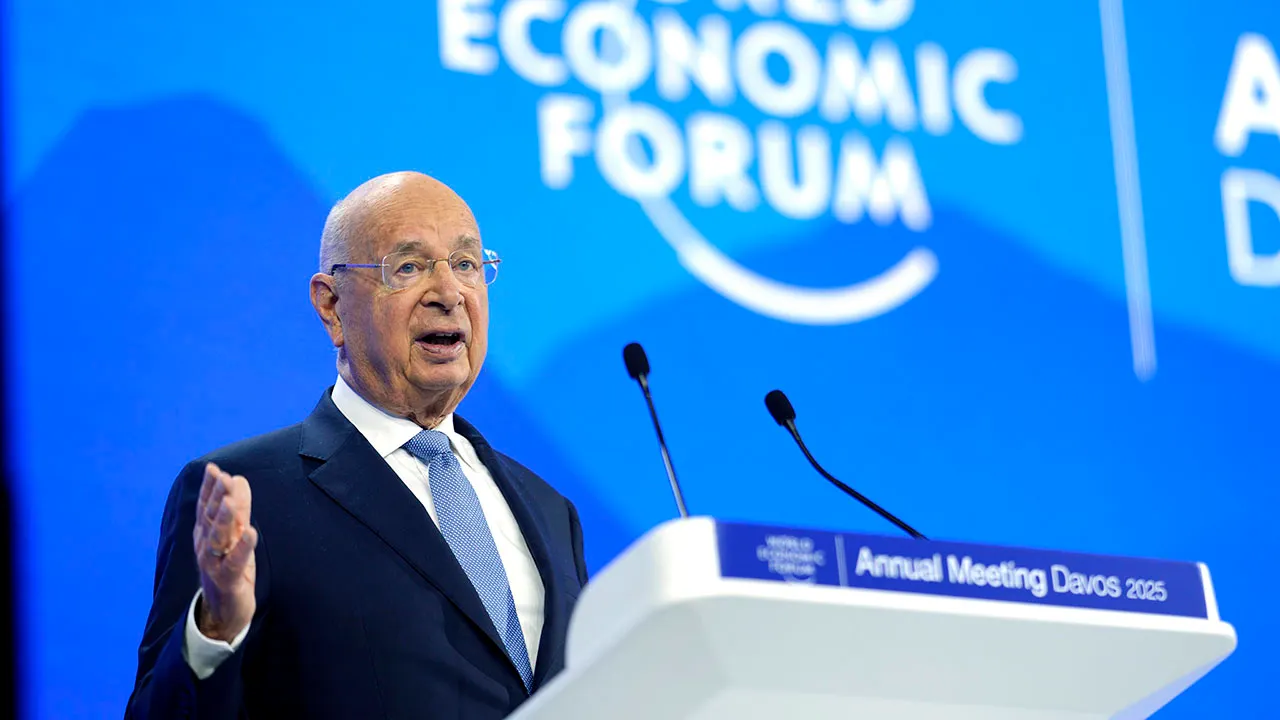
The World Economic Forum (WEF) is under intense scrutiny for its decision to include Iranian Foreign Minister Abbas Araghchi in its upcoming Davos summit, despite pleas from human rights advocates to exclude representatives of the Iranian regime. United Against Nuclear Iran (UANI), a prominent watchdog organization, sent a letter to WEF President Borge Brende urging the organization to reconsider hosting officials from a government accused of severe human rights violations. According to UANI, not only did the WEF ignore their appeal, but they subsequently added Araghchi to the program schedule, creating a storm of controversy around an event whose theme ironically centers on “A Spirit of Dialogue.”
The call to exclude Iranian officials stems from recent reports of devastating violence against civilians in Iran. In his letter to the WEF, UANI CEO Mark Wallace—who previously served as U.S. Ambassador to the United Nations under President George W. Bush—cited alarming figures suggesting the Iranian regime may have killed between 12,000 and 20,000 civilians during protests in January. Wallace emphasized that Araghchi serves on Iran’s Supreme National Security Council, which reportedly authorized the use of live ammunition against demonstrators exercising their fundamental right to protest. “Hosting Iranian regime officials, such as Araghchi, who whitewash this record is deeply offensive,” Wallace wrote, adding that it would be “wholly inappropriate to platform” such individuals at a forum dedicated to dialogue when the regime has offered “bullets to these brave Iranians” instead of conversation.
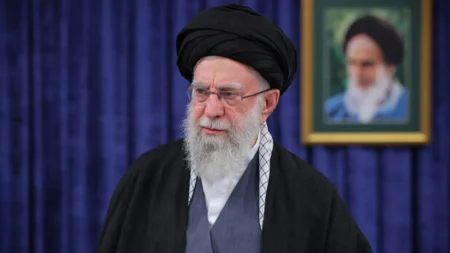
The controversy gained additional weight when Iran’s Supreme Leader Ayatollah Ali Khamenei publicly acknowledged for the first time that thousands had died during the recent protests. While blaming the United States for the unrest and violence, Khamenei admitted that some protesters died “in an inhuman, savage manner.” This rare acknowledgment stands in stark contrast to the regime’s typical silence regarding casualty figures from civil unrest. The U.S.-based Iranian Human Rights Activists News Agency estimates that more than 3,000 people were killed over approximately three weeks of demonstrations, though some estimates place the number significantly higher. BBC Persian and BBC Verify have authenticated videos showing Iranian security forces firing directly at protesters during this period, providing visual evidence of the regime’s brutal response to civilian dissent.
Former President Donald Trump weighed in on the situation during an interview with Politico, declaring that “it’s time to look for new leadership in Iran” after being shown hostile posts from Khamenei’s X account. Trump countered accusations from the Iranian leader by turning the criticism back toward the regime: “What he is guilty of, as the leader of a country, is the complete destruction of the country and the use of violence at levels never seen before.” The former president emphasized that true leadership is built on respect rather than fear and death, signaling a potentially confrontational approach toward the Iranian regime should he return to office. This statement aligns with growing international concern about the Iranian government’s treatment of its citizens and raises questions about the appropriateness of including such regime representatives in global forums like Davos.
The situation highlights the complex ethical considerations facing international organizations like the WEF, which must balance inclusive dialogue with moral accountability. Critics argue that providing a platform for representatives of authoritarian regimes effectively legitimizes their actions and whitewashes their human rights abuses. Defenders of such inclusion might counter that diplomatic engagement is necessary even with problematic actors to maintain channels of communication that could potentially lead to change. However, UANI’s letter pointedly challenges whether meaningful dialogue is possible with representatives of a government that violently suppresses dissent among its own population, suggesting that some actors have demonstrated their fundamental opposition to the very principles of open exchange that forums like Davos claim to champion.
As the Davos summit approaches, the controversy surrounding Araghchi’s participation reflects broader questions about how the international community should engage with regimes accused of mass atrocities. The WEF’s decision not to respond to UANI’s concerns—and instead to double down by adding Araghchi to the program—may indicate a prioritization of geopolitical inclusivity over human rights considerations. This tension between engagement and accountability continues to challenge international institutions and diplomatic frameworks, particularly as verified evidence of state violence against civilians becomes increasingly difficult to ignore or dismiss. The situation serves as a reminder that global forums must carefully consider whether their platforms amplify or challenge authoritarian narratives, and whether dialogue without accountability simply normalizes the unacceptable.