






From Burning Image to Global Symbol: How One Iranian Refugee’s Act of Defiance Sparked a Movement
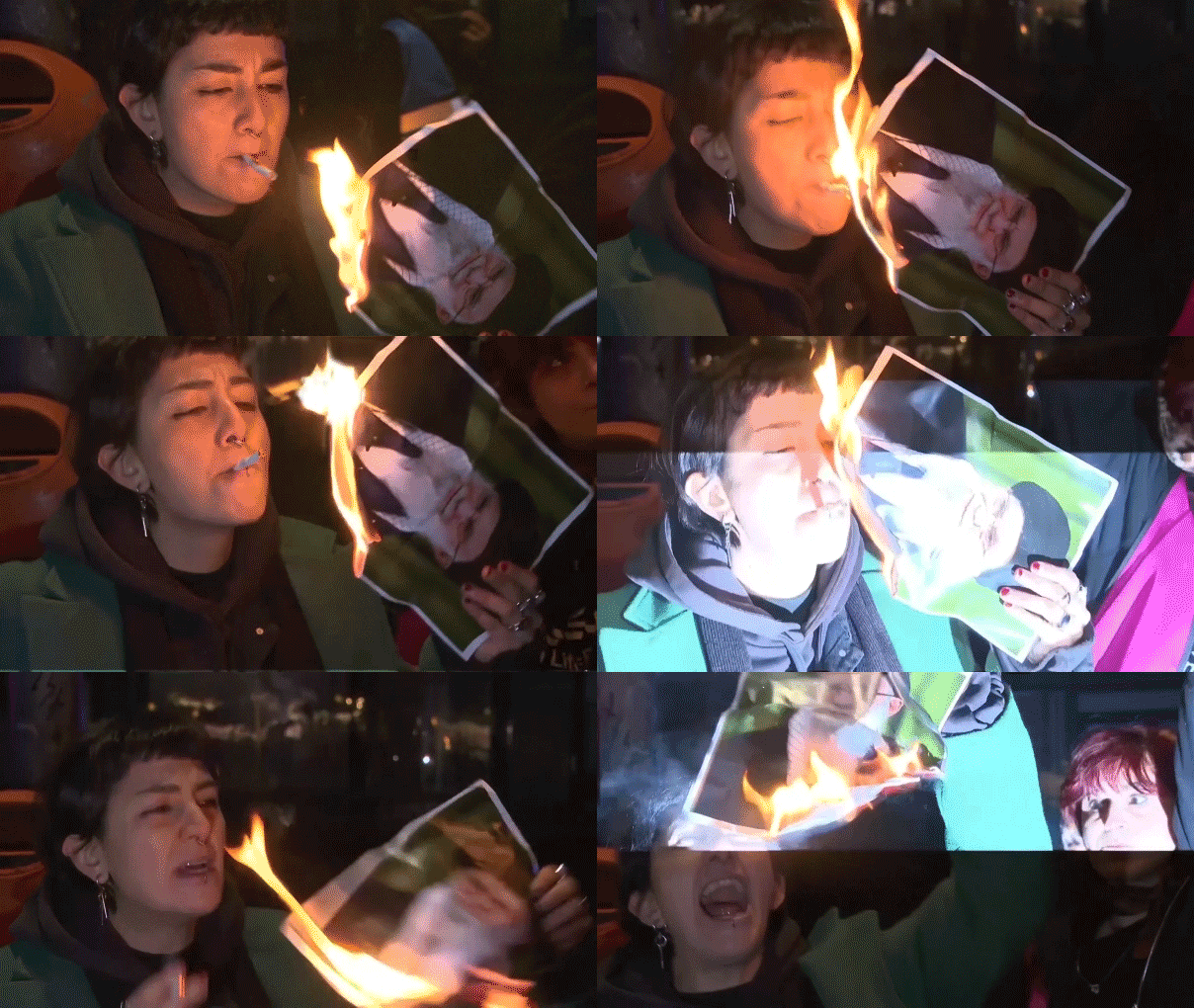
In an age where a single image can ignite a global conversation, a 34-second video has become a powerful symbol of resistance against Iran’s authoritarian regime. The footage shows a woman, reportedly an Iranian refugee living in Canada, performing what would be a capital crime in her homeland—burning a photo of Supreme Leader Ayatollah Ali Khamenei. With calm defiance, she uses the burning image to light a cigarette before letting the photo fall to the ground. This seemingly simple act combines multiple taboos in Iran: destroying the Supreme Leader’s image, smoking in public as a woman, and appearing without the mandatory hijab. What makes this moment particularly striking is how it has transcended digital boundaries, inspiring similar acts of protest worldwide while becoming a focal point in the ongoing struggle between the Iranian people and their government during a time of unprecedented unrest.
The video, filmed on January 7—just one day before Iran imposed a near-total internet blackout—has since been shared millions of times across social media platforms including X, Instagram, and Reddit. The woman behind the video has requested anonymity, citing fears for her safety and for family members still living in Iran. In interviews, she has described herself as an Iranian refugee who fled to Toronto after enduring repeated arrests and abuse at the hands of Iranian security forces. Her stated intention was simple yet profound: to show solidarity with friends still trapped inside the repressive state. While some viewers have questioned whether the moment was spontaneous or staged—a reflection of growing skepticism in an era of artificial intelligence and information warfare—the symbolic weight of her act remains undisputed. In Iran, where burning the Supreme Leader’s image can result in execution, smoking in public is considered immodest for women, and hijab laws are strictly enforced, this brief video challenges multiple pillars of the regime’s control over personal freedom.
What began as one woman’s digital protest has evolved into a real-world movement that spans continents. Demonstrators in Europe, Israel, and the United States have been documented recreating what has become known online as the “cigarette girl” moment—lighting cigarettes with burning images of Khamenei at protests supporting Iranian freedom. This transformation from virtual to physical protest illustrates how powerful symbols can transcend the digital realm and manifest in tangible acts of solidarity. The viral spread of both the original video and its recreations demonstrates the increasingly central role social media plays in modern conflicts, where images and symbols can shape global perception with unprecedented speed and reach. For many viewers, this act represents not just defiance against Iran’s clerical rulers but a broader stance against authoritarian control over individual liberty.
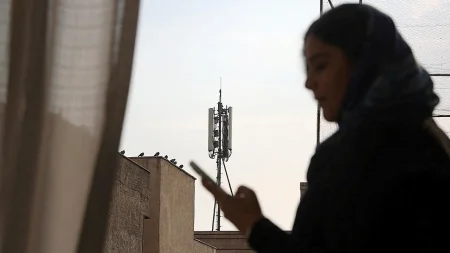
Meanwhile, inside Iran itself, the government’s response to growing dissent has been brutal and far-reaching. Activists report that the regime has intensified its repression in recent weeks as unrest spreads amid economic collapse and political instability. The government has announced waves of arrests targeting those it labels as “terrorists” and has seized Starlink satellite internet equipment, which often provides the only means for videos and information to escape the country during government-imposed communications blackouts. Human rights organizations have raised alarms about the severity of the crackdown, with reports suggesting thousands have been killed in the regime’s violent suppression of protests. The stark contrast between the peaceful yet powerful symbolic act in the video and the regime’s disproportionate violence underscores why such acts of defiance resonate so deeply with audiences worldwide.
The timing of this viral moment coincides with increased international attention on Iran’s human rights record and internal stability. As former President Donald Trump reportedly weighs military action against the regime, and as the G7 threatens Iran with new sanctions over its nationwide protest crackdown, this symbol of resistance has become part of the broader geopolitical conversation. The World Economic Forum’s controversial invitation to Iran’s foreign minister to attend its Davos gathering despite the ongoing slaughter of Iranian civilians further highlights the complex international dynamics surrounding the crisis. Exiled Iranian Crown Prince Reza Pahlavi has meanwhile revealed a six-step plan to exert pressure on Tehran’s regime, suggesting growing coordination among opposition forces. In this context, the “cigarette girl” video serves not just as a moment of individual courage but as a visual shorthand for the larger struggle between the Iranian people and their government.
What makes this particular act of defiance so compelling is its quiet power. There are no shouted slogans, no violent confrontations—just a woman, a flame, and a cigarette. Yet in this simplicity lies its strength as a symbol that transcends language barriers and cultural differences. It speaks to universal human desires for freedom, dignity, and self-determination. As Iran’s government continues its efforts to control information flowing in and out of the country, such moments of visual defiance become increasingly precious windows into the ongoing resistance. They remind the world that behind the geopolitical chess game surrounding Iran exists a population fighting for basic liberties that many in other parts of the world take for granted. Whether or not this particular video changes policy or shifts the balance of power, it has already achieved something significant—it has ensured that the faces and actions of Iranian resistance remain visible to the world despite the regime’s best efforts to extinguish them.