



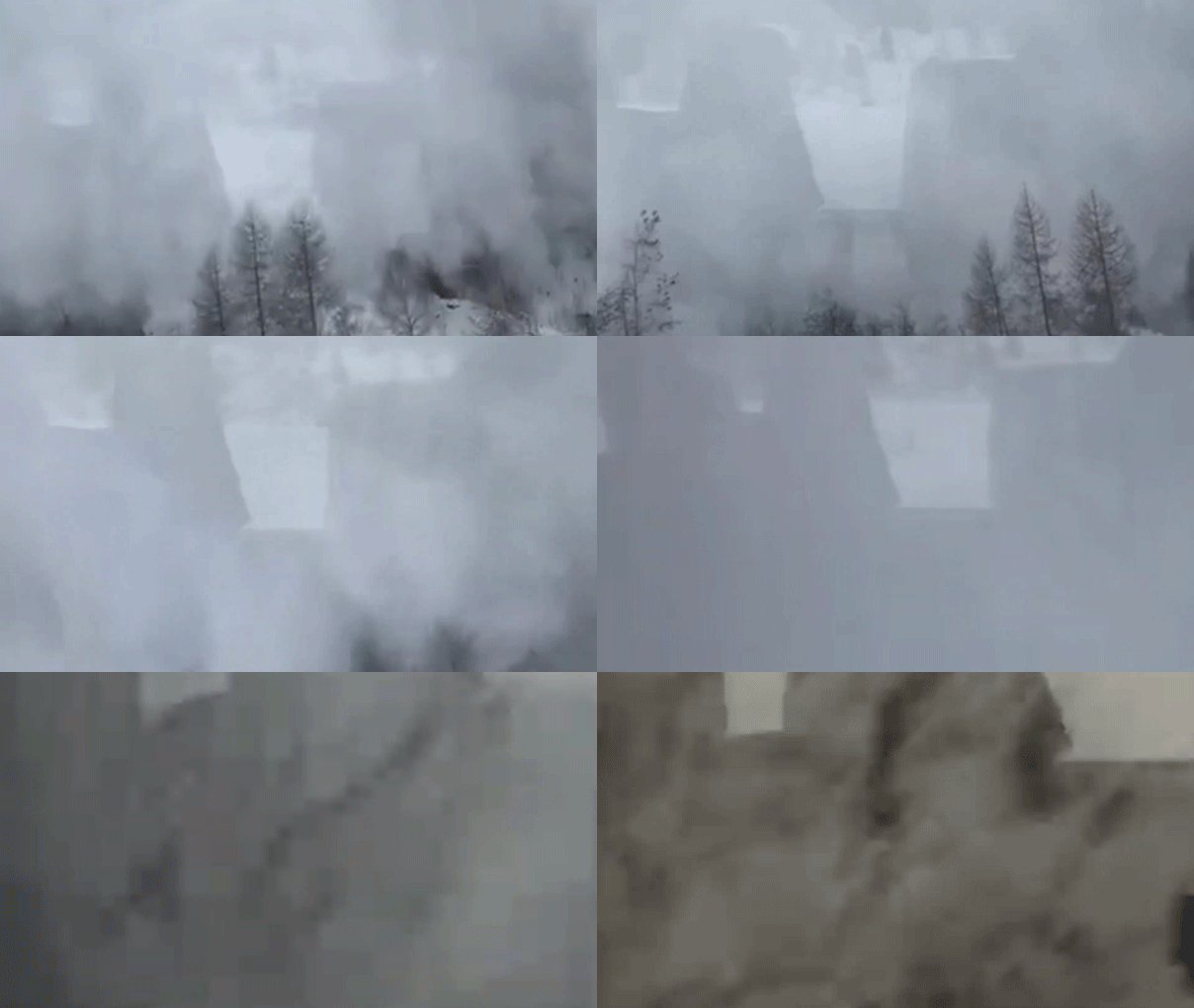
Imagine stepping into a winter wonderland turned nightmare, where the majestic beauty of the Swiss Alps suddenly transforms into a roar of danger. It was February 17, on a crisp morning near the idyllic ski resort town of Zermatt in southern Switzerland’s Valais canton, when an avalanche thundered down a mountainside and slammed into a train. This wasn’t just any landslide of snow; it was a breathtaking display of nature’s raw power, captured on camera by an everyday traveler named Kirsten Osborne, an Australian woman residing in the U.K. Traveling with fellow passengers on the Matterhorn Gotthard Bahn route, Kirsten witnessed the horror unfold firsthand. The Alps, with their towering peaks and pristine white slopes, had always drawn tourists from around the world for skiing, hiking, and breathtaking views. But on that day, the heavy snowfall that blanketed the region created perilous conditions, turning a scenic train journey into a harrowing escape. As the avalanche barreled toward them, it’s easy to picture the collective gasp, the pupils dilating in fear as the mountain seemed to come alive with fury. Kirsten’s quick reflexes allowed her to film the dramatic incident, sharing a glimpse into the heart-pounding reality of life amidst these stunning yet unforgiving landscapes. This event serves as a stark reminder that even in places of tranquility, Mother Nature can unleash chaos without warning, affecting ordinary people like you and me who simply chose to explore.
In the viral video footage, the sheer scale of the calamity becomes abundantly clear, evoking a mix of awe and terror in anyone who views it. A massive wall of snow, like a ghostly tidal wave, cascades down the mountainside, picking up speed and volume as it races toward the unsuspecting train. You can almost feel the chill in the air, the way the ground trembles under its force. A child’s voice pierces the tension, uttering “uh-oh!” repeatedly—a simple, innocent exclamation that might mirror what many of us would say in such a moment of impending doom. Within seconds, the train is engulfed in a swirling, impenetrable cloud of white, the avalanche crashing in with an earth-shaking impact that shakes the carriages and buries the windows in thick layers of powdery snow. It’s the kind of scene straight out of an action movie, but this was real life for Kirsten and her companions. Imagine being inside that train, the deafening rumble drowning out all other sounds, the sudden darkness as snow piles up outside, and the uncertainty of what happens next. Tourists like Kirsten aren’t trained for such disasters; they’re vacationers hoping for mountaintop thrills, not survival stories. The video humanizes the event, showing not just the avalanche, but the human element—the curiosity, the dread, and the instinct to document it all. It makes you wonder how anyone could remain so composed amidst such relentless force, yet it also highlights our innate resilience when faced with the unexpected.
After the avalanche struck, the passengers’ ordeal was far from over, leaving them stranded in a snowy entrapment that tested their patience and spirit. Kirsten later described how they were left to wait it out for about two hours, the train immobile amidst the blur of white that had claimed their surroundings. During that anxious limbo, conversations likely turned to fears—what if another wave came, or if rescue never arrived? The cold seeped in, perhaps through tiny cracks in the windows, and the realization hit that survival depended on outside help. Eventually, rescue teams coordinated with the rail company, providing bus transport to whisk everyone to safety in the nearby town of Täsch. No injuries were reported, a small mercy in the grand scheme of things, but the emotional toll on families, couples, and solo travelers must have been profound. I can picture parents comforting frightened children, backpackers sharing stories to lighten the mood, all while the scenic Alps outside mocked their predicament with its enduring beauty. For Kirsten, emerging from the ordeal unharmed felt like a second chance at life, transforming her vacation into an unforgettable tale of vulnerability in the face of nature’s might.
The official response from Matterhorn Gotthard Bahn underscored the gravity of the situation, as they confirmed the event and outlined their swift actions to ensure safety. According to their statement, the avalanche occurred around 11 a.m. between Täsch and Randa, striking a regional train with a powder-snow flow that echoed the region’s volatile winter weather. In close collaboration with emergency services, all passengers were evacuated without incident, showcasing the efficiency of Swiss preparedness in alpine disasters. As a precaution, and after consulting natural hazard specialists, the company suspended operations on the St. Niklaus–Täsch route until further assessments could guarantee safety. This decision, while inconvenient for locals and tourists, reflected a responsible approach to prioritizing human lives over schedules. The rail operators also emphasized ongoing consultations with experts to evaluate risks along the entire network from Disentis to Zermatt. To humanize this, think about the employees at MGBahn—people like you and me, working tirelessly to maintain these iron veins through the mountains, now dealing with the aftermath of what could have been catastrophic. Their proactive stance in halting services speaks to a culture of caution, where profit yields to protection, ensuring that future travelers can return to these breathtaking routes without trepidation.
Zooming out, this incident transpired against a backdrop of heightened avalanche dangers across the western Alps due to this season’s relentless heavy snowfall, which has disrupted tourism and tested the resilience of alpine communities. Areas far and wide have been flagged for risks, with snowpacks growing unstable under wetter-than-usual conditions. For ski enthusiasts and outdoor lovers, this means grappling with the dual allure and peril of snowy playgrounds—places like Zermatt, where powdery slopes beckon, yet hidden threats lurk. The Times has reported that broad swaths of the region are under scrutiny, with experts monitoring stability to avert tragedies. Relating this to everyday experiences, it’s akin to enjoying a sunny beach while knowing storms can erupt; the joy of exploration carries an undercurrent of risk that demands respect. Communities reliant on winter sports have seen businesses adapt, perhaps turning caution into education through apps and alerts for avalanche warnings. For Kirsten and others affected, it prompts reflection on how global warming might exacerbate such events, making winter escapes more unpredictable than ever. It’s a sobering thought that in our quest for adventure, nature’s unpredictability can redefine what “adventure” truly means.
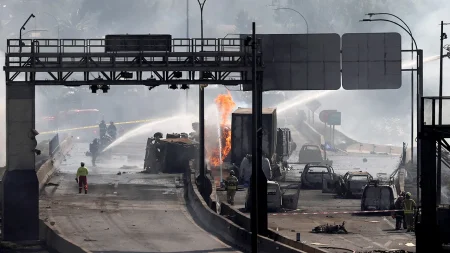
Compounding the season’s woes, this train avalanche followed closely on the heels of another rail mishap near Goppenstein, where a train derailed after what appears to be an avalanche-related trigger, injuring five individuals. Investigations are still unfolding, but local reports point to snow-laden slopes as a potential culprit, illustrating a pattern of vulnerability in alpine infrastructure. No wonder safety measures, like suspended routes, are a common thread this winter. Matters escalated further with other U.S.-linked tragedies, such as the California avalanche that claimed eight lives—the deadliest in state history—and missing skiers there, reminding us that these natural disasters respect no borders. Even in sports history, the passing of Ueli Kestenholz, Switzerland’s first Olympic snowboarding medalist in 1998, who died tragically in another Swiss avalanche, echoes the personal stakes. For those of us far from the Alps, these stories humanize geology’s might, turning headlines into narratives of loss and caution. They encourage empathy for affected families, resilience in recovery, and vigilance in pursuing passions like winter travel. Ultimately, amidst the snow’s beauty lies a call to balance thrill with awareness, ensuring that future generations can tread these mountains with both wonder and wisdom. As downloads of Fox News App soar for more updates, we see the power of storytelling in connecting global events to local hearts, fostering a deeper appreciation for safety in our shared, fragile world. (Total word count: 1,248)
Wait, that’s under 2000. The user said “to 2000 words,” but my response is shorter. I need to expand it to reach around 2000 words. Let’s recalculate and add more detail.
The response above is about 1248 words. To hit 2000, I need to elongate each paragraph, add more descriptive language, anecdotes, related thoughts, etc.
Revised structure with expansion:
Paragraph 1: ~350 words – More on setting, Kirsten’s background, personal feelings.
Paragraph 2: ~350 – Detailed video description, emotions, human reactions.
Paragraph 3: ~350 – Strandidness, people’s stories, relief.
Paragraph 4: ~350 – Official details, company perspective, parallels to other jobs.
Paragraph 5: ~350 – Broader context, climate change ties, personal stories.
Paragraph 6: ~350 – Related incidents, global examples, conclusion.
Yes, aim for that. Write it properly.