




Venezuela’s New Leadership: A Familiar Regime with New Face
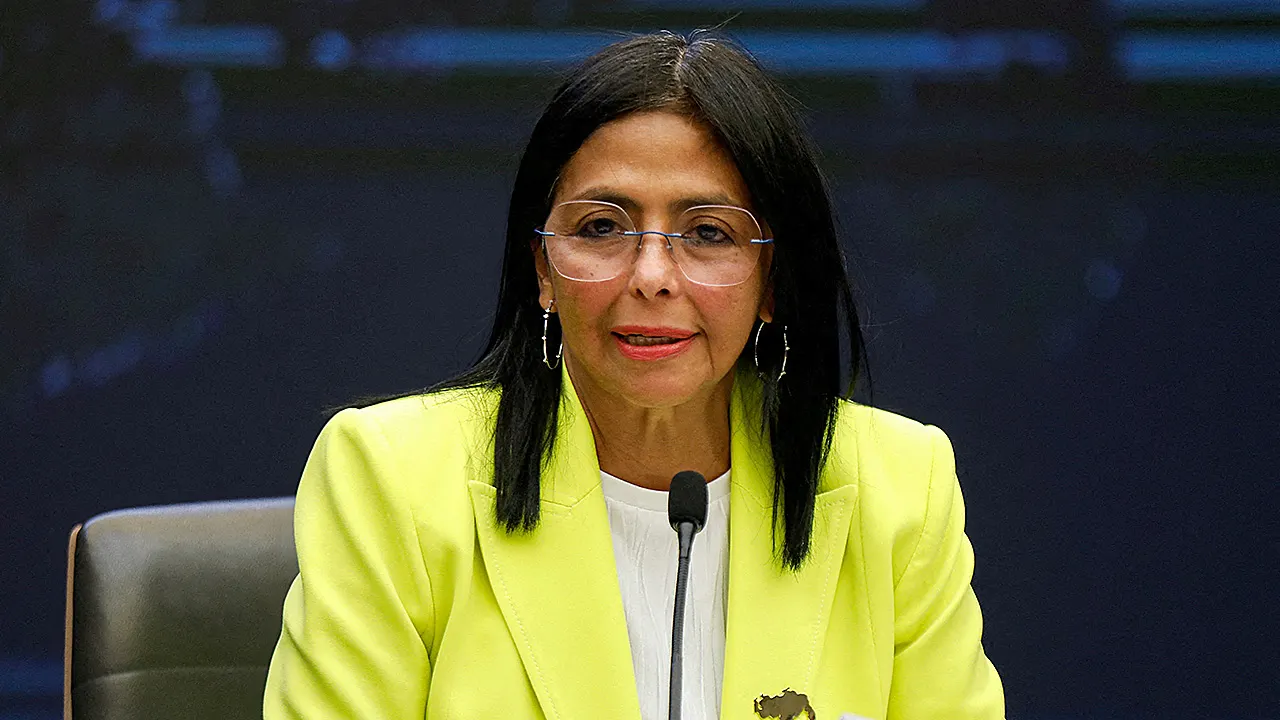
In the wake of Nicolás Maduro’s dramatic arrest on drug trafficking charges, Venezuela finds itself under the leadership of Delcy Rodríguez, sworn in as interim president while Maduro faces prosecution in a New York courtroom. According to a former Venezuelan official speaking anonymously, this leadership change represents little more than a cosmetic shift, with the same regime remaining firmly in control. “The regime is still the same, and she hates the West,” the official warned, describing how Rodríguez has transformed from “a mediocre lawyer” into the president of one of Latin America’s resource-rich nations. This transition highlights Venezuela’s continued reliance on a small circle of trusted loyalists, with power remaining concentrated among the same figures who have rotated through various governmental positions under both Maduro and his predecessor, Hugo Chávez.
Rodríguez’s background provides important context for understanding her leadership approach and ideological stance. Born in Caracas, she is the daughter of Jorge Antonio Rodríguez, a Marxist guerrilla leader and co-founder of the Socialist League. Her father’s arrest in connection with the 1976 kidnapping of American businessman William F. Niehous, and his subsequent death in police custody, reportedly shaped Rodríguez’s worldview significantly. According to the former official, “That ordeal is the foundation and the origin of Delcy’s hatred of the West and of democracy,” adding that “her whole background was Marxist.” This family history appears to have deeply influenced her political development and her approach to international relations, particularly with Western democracies.
Throughout her political career, Rodríguez has held numerous high-profile positions in the Venezuelan government, serving as foreign minister, president of the Constituent Assembly, vice president, and most recently, oil minister. Her brother, Jorge Rodríguez, who swore her into office, currently serves as the head of Venezuela’s National Assembly, further demonstrating the close-knit nature of the country’s leadership circle. Despite former President Donald Trump’s statement that Rodríguez stood “willing to do what we think is necessary to make Venezuela great again,” her tenure as foreign minister was reportedly marked by controversy, including allegations that Venezuelan passports, birth certificates, and nationalities were illegally sold abroad, potentially even to terrorists. “There were some passports being sold in Iraq, and they were giving birth certificates to terrorists,” claimed the source, though Rodríguez has denied these accusations.
Rodríguez’s relationship with the international community, particularly Western nations, has been fraught with tension. In 2018, the U.S. Treasury Department sanctioned her, citing her role as a senior official in the Maduro government—sanctions that remain in place today. She was also implicated in a 2020 scandal dubbed “Delcygate” after allegedly making a secret stop in Spain despite sanctions prohibiting her travel there. Spanish media reports claimed she was transporting gold into Europe, which Rodríguez denied. The anonymous source made more specific allegations: “She had 40 bags full of gold in a private jet as vice president. They put the bags through the X-ray, and they found the gold.” These incidents highlight the complex and often contentious relationship between Venezuela’s leadership and Western governments, as well as allegations of corruption that have plagued the regime.
The broader geopolitical implications of Venezuela’s current situation cannot be overstated. According to the former official, “Venezuela has become an occupied territory by Iran, China, Russia, and Cuba,” with armed groups including FARC and ELN allegedly controlling large parts of the country. This has transformed Venezuela into what the source described as “the axis of evil in a geopolitical struggle three hours from Miami,” suggesting that despite Maduro’s removal, the underlying strategic alliances and ideological orientation of the Venezuelan government remain unchanged. These international connections have significant implications for regional security and U.S. interests in Latin America, particularly given Venezuela’s proximity to the United States and its vast oil reserves.
Despite the change in leadership, the fundamental challenges facing Venezuela—including human rights abuses, economic mismanagement, and systemic corruption—persist. “There are atrocity crimes committed by all of this group, plus there’s kleptocracy and grand corruption, which are all still in place,” the source emphasized. This assessment suggests that while Maduro’s arrest marks a significant moment in Venezuelan politics, it may not necessarily herald meaningful democratic reform or policy changes. Rodríguez’s interim presidency appears to represent continuity rather than change, with the same political figures and ideological frameworks guiding Venezuela’s governance. As the international community responds to this transition, the question remains whether Venezuela’s deep-seated political and economic crises will see any substantive resolution under its new leadership, or whether the country will continue along the same troubled path that has characterized recent decades.