



Venezuelan Opposition Leader Credits Trump with Sustaining Democracy Movement
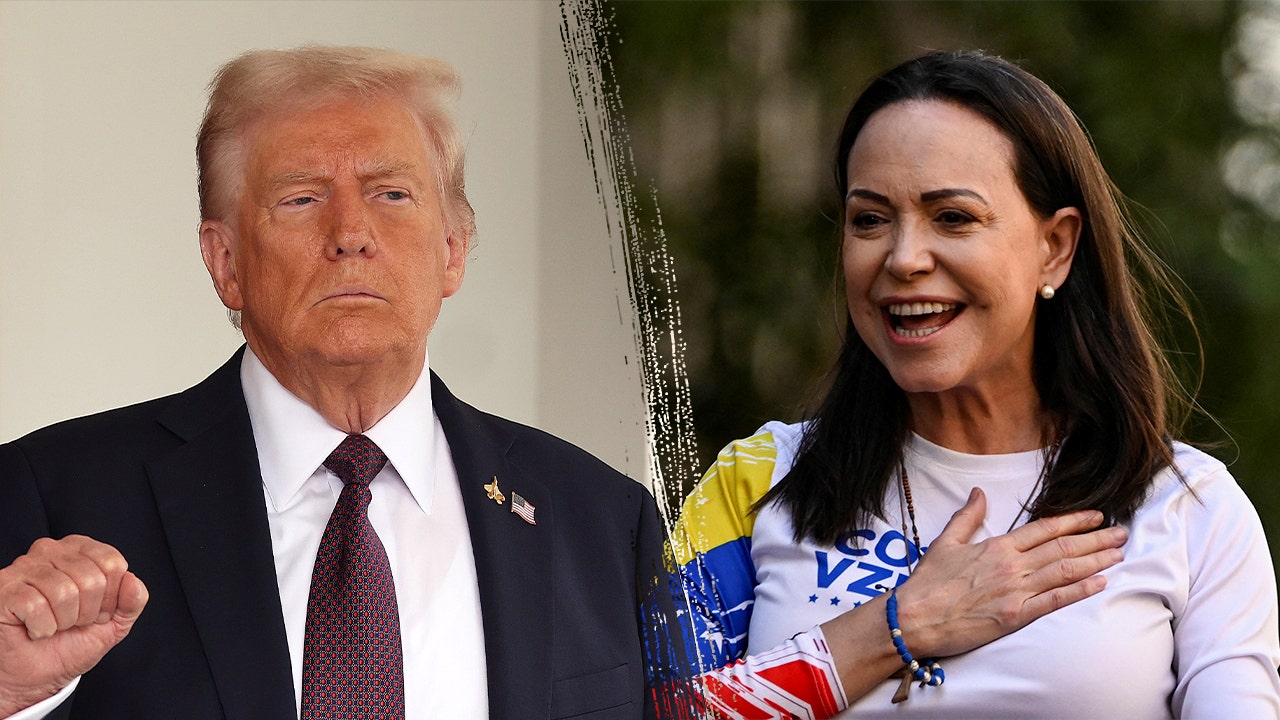
In a remarkable display of gratitude, Venezuelan opposition leader María Corina Machado has publicly credited former U.S. President Donald Trump for his crucial support of Venezuela’s pro-democracy movement during its darkest hours. Speaking to Fox News Digital after emerging from 11 months in hiding, Machado expressed profound appreciation for Trump’s assistance when many Venezuelans felt abandoned by the international community. “I am absolutely grateful to President Trump for every gesture, every signal and every moment that he has stood with the Venezuelan people,” she stated emotionally. “I have watched it very closely, and I know what it has meant for those who are fighting to reclaim democracy and freedom in our country.” This heartfelt acknowledgment came as Machado dedicated her Nobel Peace Prize to both the Venezuelan people and to Trump, whom she praised for “showing what strong leadership looks like in the moments that matter most.” An official familiar with the situation revealed that Machado hopes to visit the United States soon to personally honor Trump for what she considers his unwavering support for Venezuelan democracy.
Machado’s public reemergence in Oslo, Norway, marked a powerful moment in her ongoing struggle against the Maduro regime. After spending nearly a year underground following a brief detention during an anti-government protest in Caracas, she appeared on a hotel balcony to wave at cheering supporters during the Nobel Peace Prize ceremony. Her daughter, Ana Corina Sosa, accepted the prestigious award on her behalf while Machado made this symbolic return to public view. The opposition leader’s comments reflect her continued belief in Venezuela’s democratic future despite the overwhelming challenges. “A free and democratic Venezuela is not only possible — it is closer than ever. And that free Venezuela is breathing louder than ever before,” she declared with resolute optimism, suggesting that the country’s pro-democracy movement remains vital despite Maduro’s continued grip on power.
Machado’s journey epitomizes the democratic struggle in Venezuela, where she has become the face of resistance against what many international observers consider an authoritarian regime. According to Roxanna Vigil, a fellow at the Council on Foreign Relations, Machado remains “the most popular political figure in Venezuela,” having secured “over 90% of the vote” in the opposition primary before being disqualified by the Maduro government. This overwhelming popularity made her “a real threat” to the regime, leading to her exclusion from the presidential race. Despite this setback, Machado’s influence remained profound as she endorsed Edmundo González as the opposition candidate for the 2024 presidential election. González was widely considered by independent observers to have won that election, though Venezuela’s National Electoral Council, controlled by Maduro allies, declared Maduro the victor and inaugurated him for another term.
The standoff between Maduro’s government and the opposition represents one of the most significant democratic crises in the Western Hemisphere. Machado’s barring from the presidential race, despite her decisive victory in the opposition primary, drew sharp criticism from Western governments who viewed it as a blatant attempt to undermine democratic processes. The subsequent declaration of Maduro as the winner of an election that independent tallies suggested González had won has only deepened international concerns about Venezuela’s democratic trajectory. Through it all, Machado has maintained her call for peaceful transition, rejecting violence while steadfastly advocating for democratic restoration. Her ability to remain a powerful voice for change, even while forced into hiding, demonstrates the resilience that earned her recognition from the Nobel Committee.
Machado’s public thanks to Trump highlights the complex role of international support in Venezuela’s ongoing crisis. While critics of U.S. policy toward Venezuela have sometimes characterized American involvement as interventionist, Machado’s perspective offers a counternarrative: that of Venezuelans who see external pressure and support as crucial elements in their fight for democracy. Her Nobel Prize dedication serves not only as personal gratitude but also as a political statement about the importance of international solidarity with pro-democracy movements. As tensions continue between the Maduro government and opposition forces, such international relationships may prove crucial in determining Venezuela’s future path. Machado’s willingness to publicly acknowledge Trump’s role suggests she sees value in maintaining strong ties with American leaders who have supported Venezuela’s democratic aspirations.
Looking ahead, Machado has signaled her intention to return to Venezuela when conditions permit, indicating her commitment to continuing the struggle for democratic change from within the country. Her brief emergence in Oslo may represent just the beginning of a more public phase in her opposition leadership. The Nobel Peace Prize recognition provides her with enhanced international visibility and potential leverage in pressing for democratic reforms. Whether this will translate into meaningful political change within Venezuela remains uncertain, but Machado’s persistence and popular support suggest the opposition movement retains significant vitality despite years of setbacks and government repression. As she dedicated her Nobel Prize to both the Venezuelan people and to President Trump, Machado effectively linked Venezuela’s democratic aspirations to the broader international community, positioning the country’s struggle as part of a global contest between democratic and authoritarian governance models.