





The Human Cost of Operation Absolute Resolve: A Complex Mission with Heavy Casualties
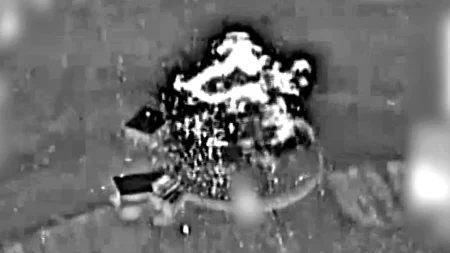
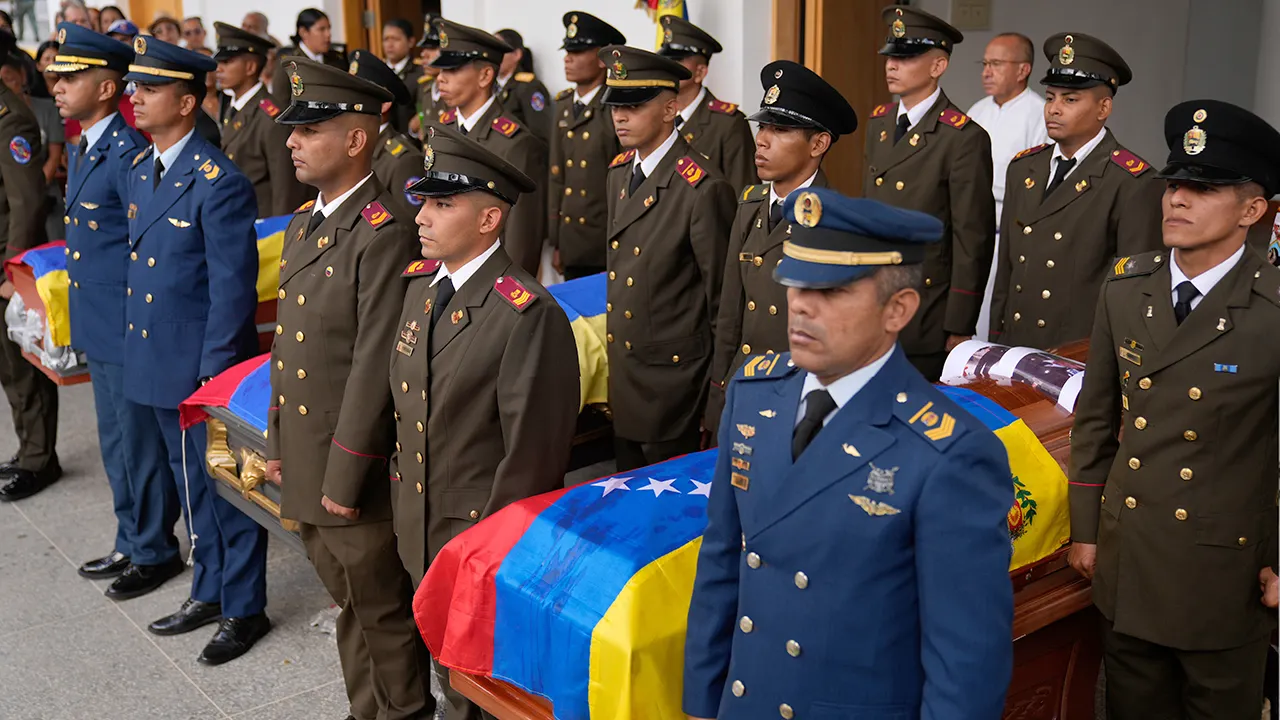
In a dramatic turn of events, the recent U.S. military operation to capture Venezuelan President Nicolás Maduro has resulted in significant casualties, according to statements from multiple governments involved. Venezuelan Interior Minister Diosdado Cabello announced Wednesday that approximately 100 people lost their lives during Operation Absolute Resolve, the secretive mission carried out by U.S. forces over the weekend. This figure includes members of Venezuela’s military, with the country’s army releasing a list containing 23 names of their personnel who perished during the operation. The Venezuelan government has declared a week of mourning to honor these fallen service members, reflecting the profound impact this mission has had on their armed forces and national psyche.
The operation didn’t only affect Venezuelan forces. Cuba’s official Communist Party newspaper, Granma, confirmed that 32 members of their armed forces were killed while supporting their Venezuelan allies. The Cuban government characterized these deaths as the result of “a new criminal act of aggression and state terrorism perpetrated against the sister Bolivarian Republic of Venezuela by the United States.” Cuba further elaborated that these personnel were in Venezuela at the request of Maduro’s government and released the names, ranks, and ages of all 32 individuals who perished “in combat actions and after fierce resistance.” This disclosure highlights the extent of Cuba’s military involvement in supporting the Maduro regime and the international dimensions of this confrontation.
The operation also resulted in injuries to high-profile figures within Venezuela’s leadership. According to Interior Minister Cabello, President Maduro himself sustained a leg injury during the capture attempt, while his wife, Cilia Flores, suffered a head injury. These personal injuries to Venezuela’s first couple underscore the direct nature of the assault on the country’s leadership structures. Meanwhile, Venezuela’s interim President Delcy Rodriguez has taken charge during this period of crisis, declaring the week of mourning and presumably managing the government’s response to this extraordinary breach of the nation’s sovereignty by U.S. special forces.
On the American side, an administration official confirmed to Fox News Digital that seven U.S. service members were injured during the operation, though the casualties were described as relatively minor compared to the mission’s complexity. “Five of those service members have already returned to duty, while two are still recovering,” the official stated, adding that all were “receiving excellent medical care and are well on their way to recovery.” The official characterized the relatively low number of American casualties as “a testament to the expertise of our joint warriors,” emphasizing that “this extremely complex and grueling mission was successfully executed with so few injuries.” This portrayal suggests an attempt to frame the operation as a technical success from the American military perspective despite the significant loss of life on other sides.
The operation itself, code-named “Operation Absolute Resolve,” involved members of the U.S. Army’s elite Delta Force special operations unit landing in Caracas, Venezuela’s capital, with the specific objective of capturing President Maduro and his wife. The highly secretive nature of this mission reflects the sensitive geopolitical calculations involved in a direct U.S. military intervention aimed at removing a sitting foreign head of state. Such operations carry enormous risks not only in terms of potential casualties but also regarding international law, diplomatic repercussions, and regional stability in Latin America, where U.S. interventions have historically been met with widespread condemnation.
The stark contrast between the different government accounts of this operation reveals the deeply contested nature of this event. While U.S. officials have focused on the technical execution of the mission and the limited American casualties, Venezuelan and Cuban authorities have emphasized the human toll and framed the operation as an act of aggression and state terrorism against a sovereign nation. These divergent narratives reflect the larger geopolitical tensions at play in the Americas, where the United States continues to oppose governments it views as authoritarian or hostile to U.S. interests, while those governments and their allies portray such actions as imperialistic interventions. As the region processes the aftermath of this extraordinary military operation, the full diplomatic, humanitarian, and security implications remain to be seen, but the human cost—with potentially over 100 lives lost—stands as a sobering reminder of the violent consequences that can result from such high-stakes international confrontations.