




A Gleam of Hope in Venezuela’s Shadows
In the midst of Venezuela’s turbulent political landscape, a small but significant light has pierced through the darkness. Just last Friday evening, the U.S. Embassy in Caracas posted a message on X that must have brought immense relief to countless families: all known American citizens detained in the country had been released. Imagine the joy of those loved ones who had been holding their breath for far too long—sons, daughters, spouses, friends—suddenly free to return home after weeks of uncertainty. The embassy’s statement was straightforward yet profound: “We are pleased to confirm the release by the interim authorities of all known U.S. citizens held in Venezuela.” They added a call to action, urging anyone with information about additional detained Americans to reach out to the American Citizen Services office. No further details were provided about who these detainees were or the circumstances of their releases, leaving room for speculation among the curious. Fox News Digital has since sought clarification from the State Department, but as of now, the headlines are clear: this marks a pivotal moment in the complex dance of diplomacy between the United States and Venezuela.
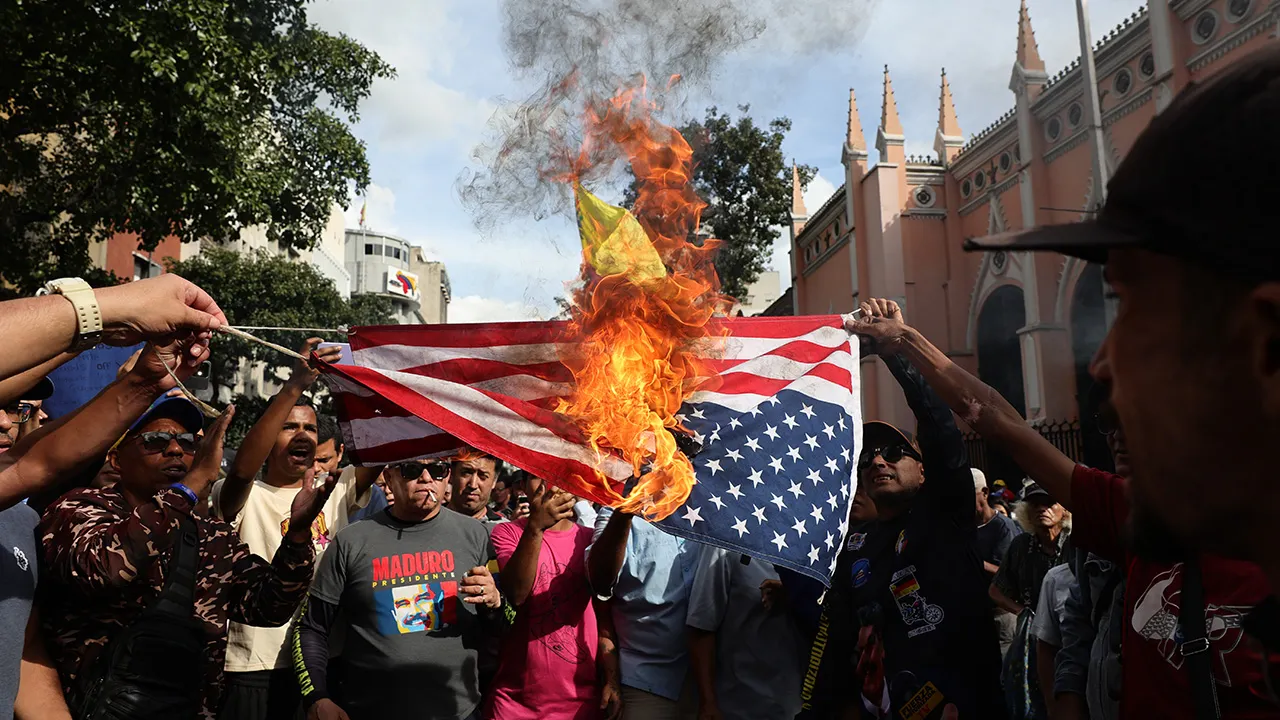
This development didn’t occur in a vacuum; it follows closely on the heels of the dramatic capture of former Venezuelan President Nicolás Maduro and his wife in early January. Picture the scene: Maduro, a figure who’s been at the helm of Venezuela for over two decades, was whisked away to New York City, where he’s now facing federal charges of narco-terrorism. For an American audience, it might evoke images of high-stakes international intrigue, like something out of a thriller novel, but for those directly affected, it’s a real-life saga of justice and upheaval. Maduro’s arrest has shifted the power dynamics in Caracas, allowing interim authorities—likely bolstered by regional alliances and international pressure—to begin the delicate process of de-escalation. In the weeks since, releases like this one have been drip-fed to the public, a gradual unwinding of the past regime’s grip on dissenters and foreigners alike. As a nation, Venezuela has been simmering under sanctions, economic woes, and political exile, so these releases feel like cautious steps toward normalcy, reminding us that even in the grip of chaos, human lives can be reclaimed one by one.
Yet, these releases aren’t without their layers of mystery and delay. Earlier this month, Venezuela’s interim government proudly announced the liberation of 116 prisoners in total, a figure that echoed through news outlets and social media feeds. But not all is as it seems; the non-governmental organization Justicia, Encuentro y Perdón verified only about 70 of those, raising questions about transparency and accountability. What about the other 46? Were they lower-profile cases, or perhaps part of Venezuela’s labyrinth of corruption and bureaucracy? For families and advocates, the verification gap underscores the challenges of rebuilding trust in a system long plagued by opacity. Bloomberg’s reporting on this has sparked debates about legitimacy—if we can’t fully account for who was freed and why, how can we truly assess progress? It’s a human story, really: each number represents real people with backstories—businessmen wrongly imprisoned, journalists silenced, or innocents caught in the crossfire. And with the embassy’s plea for more information, it’s clear the U.S. government is treating this as an ongoing mission, not a closed chapter.
Amid these unfolding events, practical concerns for Americans abroad are at the forefront. On January 10, the U.S. government issued a stark travel alert, advising citizens to steer clear of Venezuela altogether. “The security situation in Venezuela remains fluid,” it warned, echoing cautions dating back to 2019. With international flights starting to resume tentatively, those still in the country were urged to leave immediately—don’t pass go, don’t collect frustrations, just get out. For travelers and expatriates, this isn’t mere red tape; it’s a reminder of the perils that can lurk in volatile areas, from civil unrest to arbitrary detentions. Imagine planning a quick visit for business or family ties, only to encounter locked doors and closed borders. The embassy in Bogotá, Colombia, has become a hub for U.S. citizens in the region, offering sanctuary and support. But why the urgency now? As political tides shift with Maduro’s absence and the rise of new leadership, risks like targeted abductions or clashes between factions seem ever-present. For those of us who value freedom of movement, it’s a sobering note: Venezuela’s recovery is fragile, and personal safety must take precedence over curiosity or opportunity.
Enter Delcy Rodríguez, Venezuela’s acting president and a key player in this transitional drama. Formerly Maduro’s number two, she’s stepped into the spotlight as the de facto leader, bringing her own brand of pragmatism to a role she’s handled amid crises. In a fiery moment earlier this month, she publicly snapped at Washington, declaring “enough” of U.S. influence—a phrase ringing with the frustrations of a nation that feels besieged. Yet, her actions this week have shown a willingness to pivot toward economic reform, signing into law a major overhaul of the nation’s oil sector. For over two decades, Venezuela has been steeped in socialism, with its vast oil reserves nationalized and mismanaged, leading to what onlookers describe as a “rotting” infrastructure. Rodríguez’s move to privatize this cornerstone industry is a bold reversal, opening doors to foreign investment and market forces. It’s like tearing down a crumbling monument to reimagine the future; for everyday Venezuelans who have endured fuel shortages and economic collapse, this could signal hope—jobs, stability, a way out of the poverty trap. But privatization isn’t a panacea. Critics warn of exploitation by foreign giants, echoing colonial anxieties, and the human cost of such rapid change can’t be ignored. Lives built around state-controlled enterprises are upended; families reliant on subsidized energy might face sudden hardships. Still, for a country starved of progress, this feels like a lifeline tossed into turbulent waters.
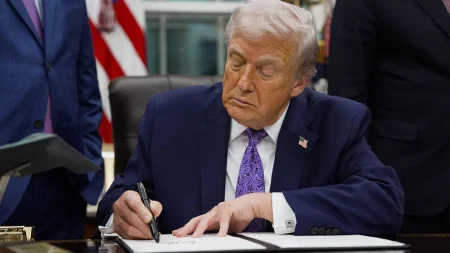
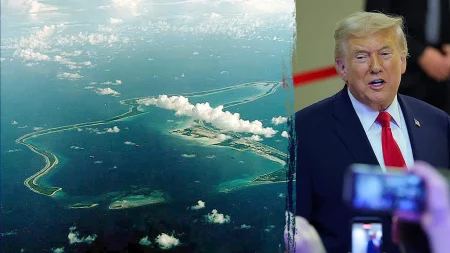
And then there’s the eye-opening promise from across the Atlantic. On that same January 10 date, President Donald Trump announced that American energy companies are set to pour $100 billion into Venezuela’s oil infrastructure, aiming to rebuild what he aptly called its “rotting” state and boost production to record-breaking levels. Imagine that scale—a hundred billion dollars, enough to dwarf many national budgets, flooding in to revitalize refineries, pipelines, and rigs tarnished by decades of mismanagement. For industry insiders and investors, it’s a golden opportunity: access to some of the world’s largest oil reserves, potentially ending dependencies on rival suppliers. But for the average person, it’s a narrative of redemption and risk. Will this investment truly benefit Venezuelans, creating prosperity and lifting communities from destitution? Or will it tilt the scales toward foreign profiteers, exacerbating inequalities in a nation already scarred by corruption? Trump’s vision paints a picture of mutual gain—U.S. firms get crude, Venezuela gets a lifeline—but history’s lessons from similar interventions suggest caution. Consider the families in oil-rich towns who’ve lived through booms and busts; for them, job opportunities could mean schooling for children, healthcare access, roofs over heads. Yet, the environmental toll—pollution, deforestation—poses deeper threats, as does the political volatility that might derail the whole endeavor. As relations thaw with the State Department’s confirmed “limited number” of personnel working to resume diplomatic ties in Caracas, this investment stands as a bridge. It’s human progress, messy and imperfect, where fortunes hinge on cooperation rather than confrontation, and where the dream of renewed prosperity might finally outweigh the nightmares of the past.