




U.S. Seizure of Venezuelan Oil Tanker: A Diplomatic Standoff
In a dramatic escalation of tensions between the United States and Venezuela, the U.S. recently seized an oil tanker off the Venezuelan coast, triggering fierce condemnation from the South American nation. The Venezuelan government issued a formal statement characterizing the action as “blatant theft and an act of international piracy,” according to state-run news outlet Correo del Orinoco. This seizure represents the latest chapter in the complex relationship between the two nations, with Venezuela framing it as part of a broader American campaign against its sovereignty and natural resources. The incident has heightened diplomatic tensions in a region already fraught with geopolitical complexities.
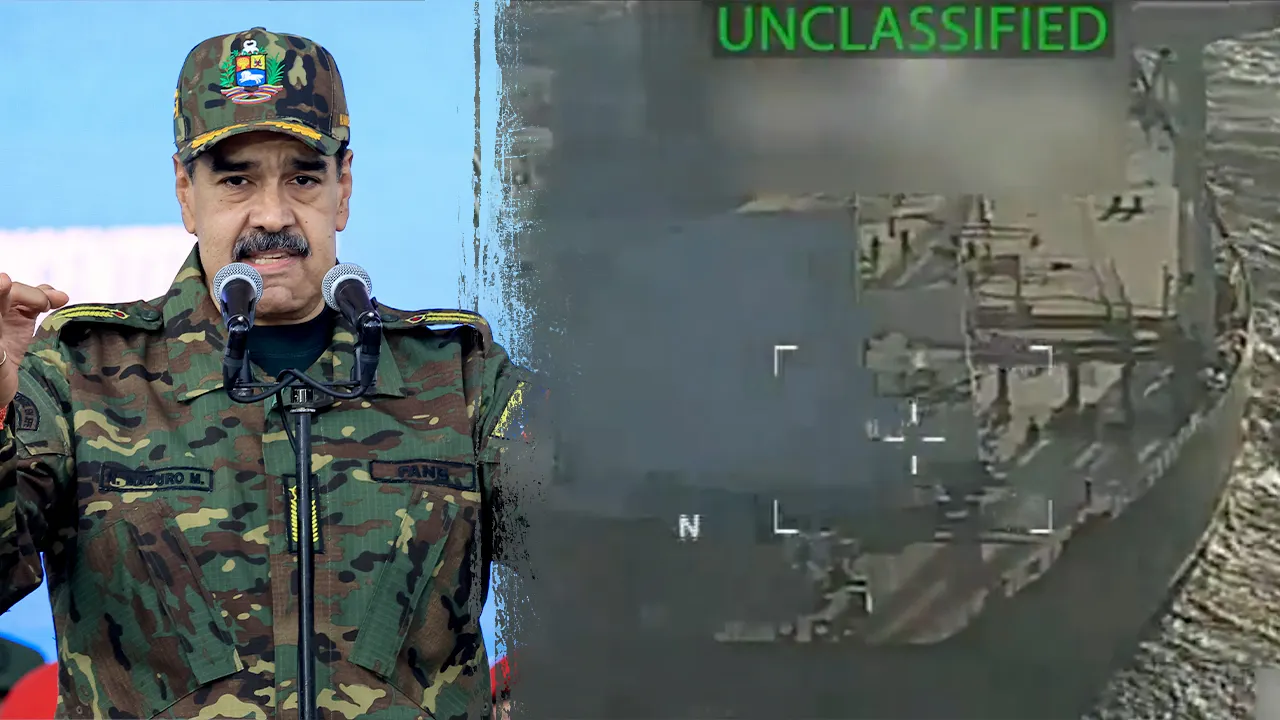
The operation itself was executed with military precision, involving coordinated efforts from multiple U.S. agencies. Attorney General Pam Bondi announced that the Federal Bureau of Investigation, Homeland Security Investigations, and the United States Coast Guard, with support from the Department of War, carried out the seizure based on a formal warrant. According to Bondi’s statement on social media, the tanker had been under U.S. sanctions for several years due to its alleged involvement in “an illicit oil shipping network supporting foreign terrorist organizations.” To emphasize the professionalism of the operation, Bondi released unclassified video footage showing a helicopter approaching the vessel and tactical personnel rappelling onto its deck, highlighting that the seizure was conducted “safely and securely.”
President Donald Trump personally announced the seizure during a White House roundtable with business leaders, emphasizing the significance of the operation. “We’ve just seized a tanker on the coast of Venezuela. A large tanker, very large, largest one ever seized actually,” Trump told reporters. When pressed about the fate of the oil aboard the vessel, the President responded candidly, “Well, we keep it, I guess,” later adding, “I assume we’re going to keep the oil.” This straightforward approach to the seizure’s consequences adds another dimension to an already complex international situation, potentially setting precedents for how seized assets might be handled in similar future operations.
The seizure appears to be part of a broader U.S. strategy targeting what it perceives as illicit activities connected to the Venezuelan government. For years, the United States has maintained a sanctions regime against Venezuela, particularly focusing on its oil industry, which represents the backbone of the country’s economy. The targeting of oil transport vessels signals an intensification of enforcement efforts against circumvention of these sanctions. From the American perspective, these actions are necessary steps to combat networks that allegedly support organizations deemed threatening to U.S. interests or international security. However, from Venezuela’s viewpoint, these measures represent aggressive violations of its sovereignty and attempts to strangle its economy.
This incident occurs against a backdrop of increasing U.S. military presence in the Caribbean near Venezuela. Recent reports indicate that the United States has bolstered its forces in the region, with stated aims of halting drug trafficking. Critics argue that this expanded military footprint serves multiple strategic purposes beyond counter-narcotics operations, including applying pressure on the Venezuelan government. The seizure of the oil tanker thus fits into a pattern of escalating U.S. actions that combine law enforcement, economic pressure, and military posturing. For Venezuelan officials and their allies, these moves appear coordinated to undermine the current government, while U.S. authorities frame them as legitimate responses to illicit activities.
The international community now watches closely as this situation unfolds, with potential implications for regional stability, oil markets, and diplomatic relations throughout Latin America. The United States’ willingness to physically seize assets in international waters raises questions about enforcement boundaries in the global sanctions regime. For Venezuela, already struggling under the weight of economic sanctions and internal challenges, the loss of oil shipments represents both a material and symbolic blow. As both nations hold firm to their positions—the U.S. justifying its actions through the lens of law enforcement and counterterrorism, and Venezuela condemning them as violations of sovereignty—the prospects for diplomatic resolution appear distant. This standoff illustrates the complex interplay between national interests, international law, and power politics that continues to shape relations between these two nations with a long history of mutual suspicion and confrontation.