





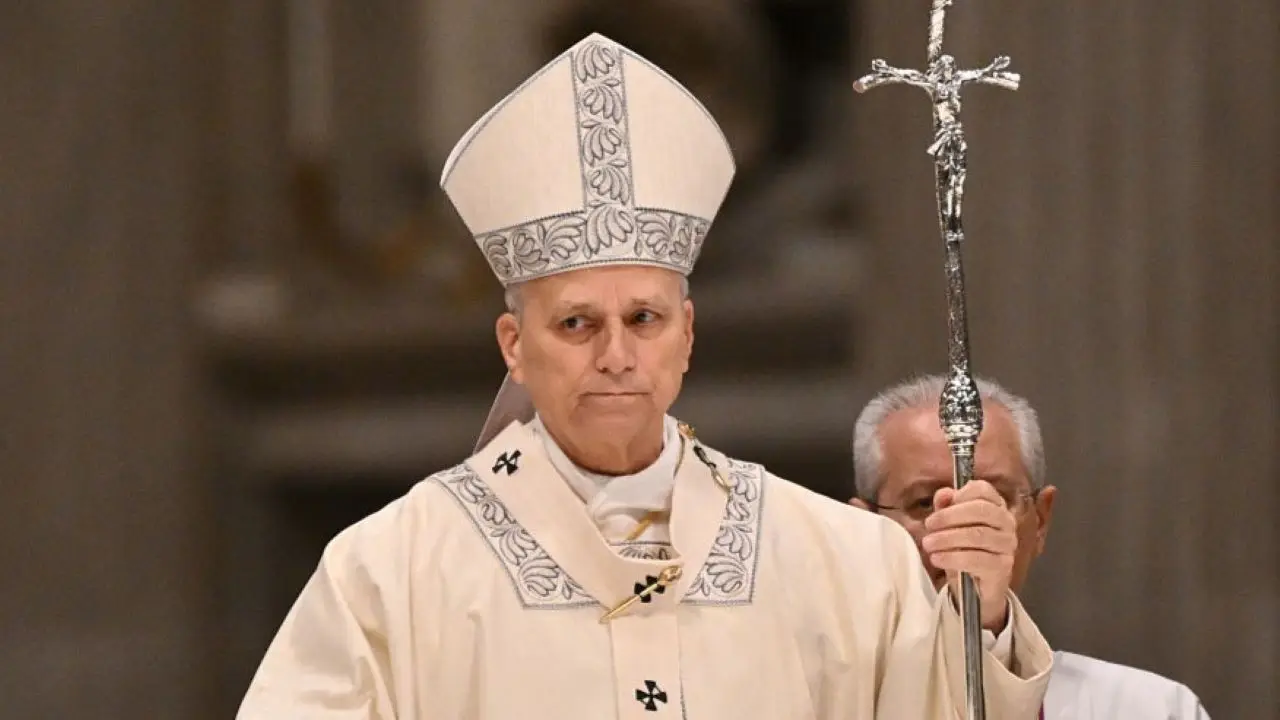
In the bustling heart of international diplomacy, where whispers of peace and power intertwine like ancient threads in a tapestry of human ambition, President Donald Trump unveiled a bold vision for healing the scars left by the Israel-Hamas conflict. Picture this: a charismatic leader, known for his unfiltered style and deal-making prowess, standing at the podium in Davos, Switzerland, in late January, inaugurating what he dubbed the Board of Peace. This wasn’t just another committee; it was Trump’s personal stamp on global recovery, a coalition tasked with overseeing the rebuilding of Gaza—a fractured strip of land where dreams of normalcy had been shattered by violence. Invitations extended far and wide, from Latin American leaders sipping coffee in the crisp Alpine air to Middle Eastern dignitaries offering handshakes heavy with unspoken histories. Trump, ever the showman, sold it as “the most prestigious board of leaders ever,” a platform where nations could unite in pouring resources into homes, schools, and livelihoods. But beneath the surface promise lurked complexities, like hidden currents in a vast ocean. Countries like Russia, China, and even Iran hovered as potential members, raising eyebrows among allies who questioned the mix. As the world watched, one unexpected snub emerged, casting a shadow over the board’s grand debut: the Vatican, that timeless beacon of moral authority, declared it wouldn’t join. This decision didn’t come lightly; it reflected a deep-seated unease in the Holy See, where faith and geopolitics dance a delicate tango. Cardinal Pietro Parolin, the Vatican’s quiet powerhouse of diplomacy, voiced his reservations publicly on Tuesday, explaining that the board’s nature didn’t align with the Vatican’s unique status. It’s not that they opposed peace—they’re ardent advocates for it—but this initiative felt too state-centric, too entangled in political webs where countries jockey for influence. Parolin’s words carried a tone of gentle caution, like a concerned parent advising patience amid chaos. “There are points that leave us somewhat perplexed,” he admitted, alluding to ambiguities that needed clarity, not just pledges. He emphasized the Vatican’s insistence that truly global crises should be steered by institutions like the United Nations, not ad-hoc forums shaped by individual leaders. This reluctance wasn’t isolationist; it was a principled stand. Pope Leo, the first American pontiff to grace the throne of Saint Peter, had personally received Trump’s invitation, a gesture that bridged continents and cultures. Yet, tradition weighed heavy. The Vatican, with its 1.3 billion faithful spread across the globe, operates on a plane above parliamentary politics—it speaks to humanity’s soul, not just its borders. Parolin’s response echoed concerns about Italy’s similar decision to bow out, hinting at a broader European wariness toward what some saw as an American-led initiative that might sideline established multilateral bodies. In this moment, the Vatican’s choice became a symbol of reflection in a world rushing forward: peace, they seemed to say, requires more than billions in aid or charismatic proclamations; it demands harmony among all voices, even those guided by divine imperatives. As the dust settled from Davos, Trump’s Board of Peace began filling its ranks, a mosaic of nations brought together by shared hopes and divergent agendas. Seventeen countries initially signed on, their leaders gracing the ceremony with a mix of enthusiasm and pragmatism: presidents from Venezuela and Brazil mingling with emirs from Qatar and Saudi Arabia, while Ukraine’s envoys exchanged wary glances with those from Finland and Greece. Israel, ever strategic, just recently formalized its participation ahead of a pivotal White House meeting between Prime Minister Benjamin Netanyahu and Trump. This alliance was no small feat; it spanned continents, from the sun-baked deserts of the Middle East to Europe’s rolling hills, pulling in players like Vietnam and Ireland. Trump had extended olive branches to heavyweight nations too—Russia, Belarus, France, Germany, and China were all on the invite list, a bold gamble that could reshape alliances or ignite new tensions. Yet, acceptance wasn’t unanimous; Poland and Italy swiftly declined, echoing the Vatican’s doubts about the board’s framework. They worried it might overshadow the United Nations’ role in crisis management, as Parolin had articulated. For everyday observers, this ragtag coalition felt like a microcosm of humanity: flawed, fervent, and full of potential. Leaders like Bolsonaro from Brazil or Zelenskyy’s representatives from Ukraine brought personal stories to the table—tales of resilience from regions scarred by conflict. Trump’s pitch was clear: this board would channel over $5 billion in pledges, with formal commitments slated for a Washington gathering in late January. It was a tangible lifeline for Gaza, promising to reconstruct shattered infrastructure, support displaced families, and foster economic rebirth. Imagine the human face of this: children in Gaza returning to classrooms rebuilt with these funds, farmers planting crops in once-barren fields, communities knitting back together after the ravages of war. Trump’s envoy, echoing his boss’s unyielding style, even warned Hamas of “serious consequences” if they obstructed the second phase of Gaza’s recovery plan, codenamed “Midnight Hammer”—a nod to Trump’s trademark decisiveness. This wasn’t mere rhetoric; it was a call to accountability, urging Iran to rethink nuclear ambitions while bolstering Israel’s security. For the leaders involved, joining meant more than politics—it was a human endeavor, born from the desire to heal wounds that have plagued generations. Take Venezuela’s participation, for instance; President Maduro, often at odds with the West, saw an opportunity to reposition his nation on the world stage, perhaps easing sanctions through cooperation. Or consider Greece’s engagement, a bridge between East and West, motivated by ancient ties and modern geopolitics. Each member added layers to the tapestry, their individual journeys weaving into a collective narrative of hope. Yet, the absences were telling: the Vatican’s refusal underscored a yearning for spiritual and universal oversight, while Italy’s step back highlighted concerns about U.S.-centric agendas. As the board took shape, it sparked debates about who’s truly leading in a multipolar world—pious institutions like the Holy See, pragmatic superpowers like China, or fiery visionaries like Trump. In the end, this alliance promised transformation, but it also challenged everyone involved to humanize their ambitions, turning abstract aid into stories of real people rebuilding their lives. Cardinal Pietro Parolin’s measured voice cut through the noise of inaugural pomp, offering a Vatican perspective that added depth to the unfolding saga of Trump’s Board of Peace. As the Holy See’s secretary of state, a man steeped in Papal diplomacy and seasoned by years of navigating global intrigues, Parolin didn’t mince words when questioned about his country’s stance. He revealed that the board’s “particular nature” clashed with the Vatican’s essence as a non-state entity, a moral arbiter unbound by territorial politics. Listening to him speak, one could imagine the weight on his shoulders—the legacy of centuries of Vatican influence, from mediating world wars to championing human rights in forgotten corners. “Critical points” needed resolution, he stressed, points that perplexed even seasoned observers like Italy’s diplomats. At its core, Parolin’s concern was the erosion of the United Nations’ primacy in handling crises—a system built on consensus, where every nation, large or small, has a voice. The Vatican has long advocated for this multilateral framework, believing it promotes fairness over unilateral might. Trump’s initiative, while well-intentioned, risked bypassing this, favoring a select group of powerful players. Parolin’s comments carried echoes of Pope Leo’s own cautious character: the first U.S.-born pope, with his Midwestern roots and approachable demeanor, had received a direct invite from Trump, a gesture that could have symbolized interfaith unity. Yet, tradition prevailed; the Holy See wouldn’t dilute its independence. In interviews, Parolin painted a picture of fragility: the board’s structure might favor political expediency over ethical imperatives, potentially sidelining vulnerable voices in Gaza. “The important thing is that an attempt is being made,” he conceded, acknowledging Trump’s commendable spirit, but insisting on dialogues to address these dilemmas. This wasn’t rejection for rejection’s sake; it was a plea for better integration, where faith-based wisdom complements statecraft. For believers worldwide, the Vatican’s choice resonated deeply—it reminded us that peace isn’t just about rebuilding physical ruins but healing societal divides. Parolin’s words, soft yet firm, invited reflection: in our interconnected world, true harmony demands inclusivity, respecting the divine spark in every soul, from Gazan refugees to global leaders. As Trump touted the board’s prestige, the Vatican’s abstention became a counterpoint, urging a more holistic approach to international harmony. Moving beyond the Vatican’s principled hesitation, the story of Trump’s Board of Peace unfurled into a whirlwind of commitments and controversies, drawing in nations eager to shape Gaza’s future and others wary of the implications. announcing on Sunday that member countries had pledged over $5 billion in aid, Trump exuded confidence during a White House gathering with Netanyahu, framing this as a “midnight hammer” operation to fend off Iranian threats. This funding wasn’t vague promises; it was earmarked for tangible change—reconstructing hospitals, schools, and roads in Gaza, where over 30,000 lives had been lost in the conflict. Imagine the emotional weight: families receiving rebuilt homes after displacement, economic initiatives sparking jobs for the unemployed, and humanitarian efforts providing food and medical aid to those still in limbo. Trump’s announcements were electrifying, promising formal pledges in a Washington meeting attended by key figures. Yet, beneath the optimism lay tensions: Israel’s recent onboarding raised questions about balance, as Netanyahu pushed for security guarantees against Hamas and Iran. The board’s roster, including unexpected players like Brazil and Vietnam, reflected Trump’s knack for unconventional alliances, blending democracies with regimes often critical of the U.S. France and Germany’s invitations added European heft, while Russia’s potential involvement—still pending—could bridge divides in Ukraine. China’s presence might redefine trade dynamics in the region. This diversity was both strength and weakness; it mirrored humanity’s complexity, where altruistic goals clash with pragmatic interests. For instance, Ukraine’s participation, represented by Zelenskyy’s envoys, tied into broader negotiations for aid amid its ongoing struggles. Finland and Greece, EU members, brought stability, while Central Asian nations offered fresh perspectives. But Poland and Italy’s refusals highlighted fractures: Poland cited strategic priorities, and Italy echoed the Vatican’s UN concerns. As funding flowed, so did human stories—contributors envisioning a Gaza where children play freely, free from the specter of war. Trump’s depiction of the board as history-making ignited ambition, but critics wondered if it would truly empower Gaza’s residents or serve geopolitical chess. In humanizing terms, this wasn’t about leaders; it was about millions affected, from mothers in Gaza to diplomats in Davos, all yearning for a reality where aid transcends borders and heals collective wounds. Wrapping up this intricate narrative of ambition, faith, and global unity emerging from Trump’s Board of Peace, one can’t help but ponder the human tapestry it weaves—flawed yet hopeful, much like the world itself. The Vatican’s thoughtful withdrawal, articulated by Cardinal Parolin, injected a dose of humility into what could have been a triumphant American spectacle, reminding us that peace-building requires more than funds and forums; it demands universal principles that honor every voice, from papal chambers to Gaza’s streets. As countries like Israel and an array of others committed resources and perches on this board, the true test lies ahead: will it mend fractures or deepen divides? Trump’s pledge of billions offers glimpses of redemption—families reuniting, economies reviving—but success hinges on collaboration beyond power games. For everyday people, this initiative symbolizes resilience: Gazan survivors rebuilding lives, leaders reconciling histories, and even critics like the Vatican contributing through unwavering advocacy. In a world rife with conflict, the Board of Peace dares to dream of unity, teaching us that amidst high-stakes diplomacy, the most profound changes come from human hearts united in purpose. As contributions poured in and meetings unfolded, it became clear: this isn’t just policy; it’s a testament to our collective capacity for goodwill, one story at a time.