





The Shifting Sands of Global Tensions
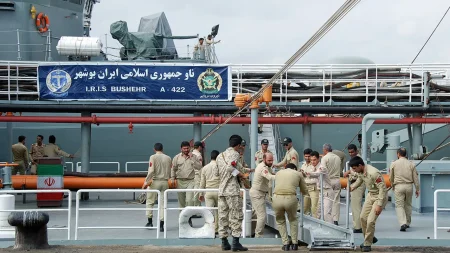
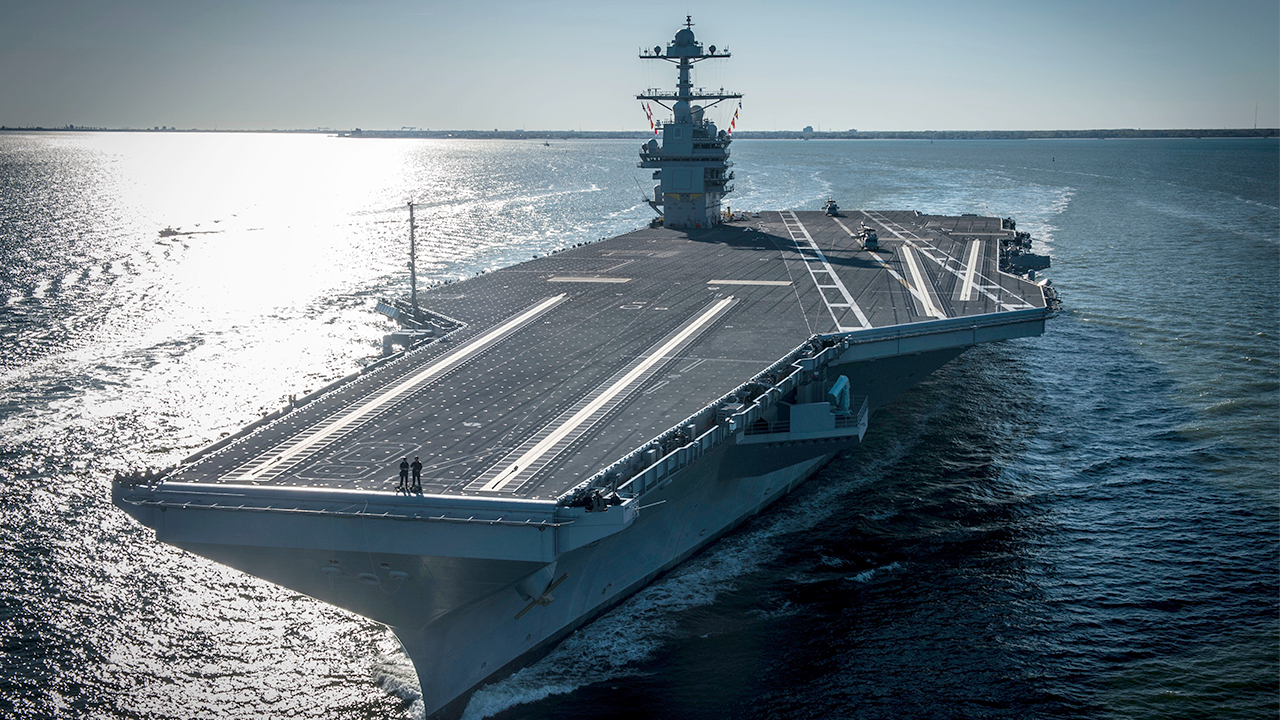
Imagine waking up to a world where the world’s mightiest naval vessels are playing a high-stakes game of chess across oceans, each move echoing the decisions of leaders thousands of miles away. Picture President Donald Trump, with his signature flair for bold statements, warning Iran that time is running out on nuclear talks, insisting that a deal must be struck “quickly” or face the consequences. This isn’t just a geopolitical drama; it’s a real-life narrative of power, diplomacy, and the ever-looming shadow of conflict. Reports from Fox News reveal that the USS Gerald R. Ford, a colossal symbol of American naval prowess named after a former president, has been redirected from the warm, turbulent waters of the Caribbean Sea straight to the volatile Middle East. This maneuver, confirmed by a U.S. official to Fox News, comes as Trump deliberates military options against Iran amid escalating tensions over its nuclear ambitions and regional meddling. What’s unfolding is not merely a redeployment of ships but a strategic ballet that positions the U.S. to project force where it matters most. Just a few weeks earlier, the USS Abraham Lincoln arrived in the Persian Gulf with a entourage of three guided-missile destroyers, forming a formidable presence. Together, these carriers and their fleets mean that the United States now has two such task forces patrolling the Middle Eastern waters—a display of strength that’s hard to ignore. Reflecting on its journey, the Ford had originally sailed out in June 2025 for what seemed like standard deployment, but last fall, the Trump administration pivoted it northward into the Caribbean. This wasn’t random; it was tied to a bold, if controversial, plan to exert pressure on Venezuela, aiming to topple President Nicolás Maduro through a combination of sanctions, diplomatic isolation, and implied military threats. That operation fizzled out without the dramatic showdown many anticipated, leaving the Ford adrift, metaphorically speaking, until now.
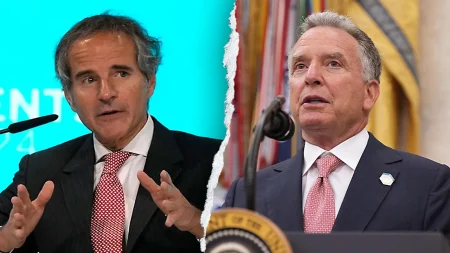
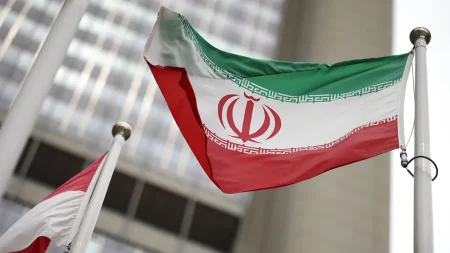
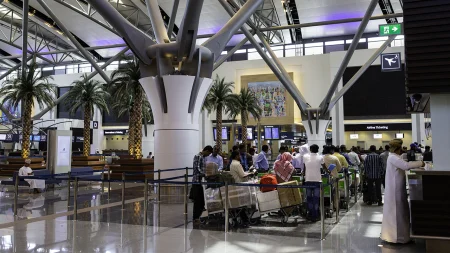
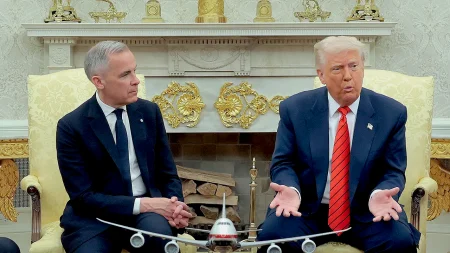
The human element here is unforgettable: sailors far from home, families wondering about their loved ones on those steel beasts, and leaders grappling with the weight of decisions that could ignite wars or avert disasters. Trump’s rhetoric over the past week has been characteristically fiery, laced with that Trumpian mix of pressure and pragmatism. Speaking from the White House, he declared that failing to reach an agreement on Iran’s nuclear program would be “very traumatic” for Tehran—a word choice that hints at unspoken actions, like strikes or sanctions, without spelling them out. Indirect talks in Oman last week opened a slender window for dialogue, but Trump made it clear: speed is of the essence. “It should happen quickly,” he urged, his voice firm during a press briefing, underscoring that patience has limits. This isn’t idle talk; it’s a reflection of a presidency marked by unpredictability and a willingness to shake up the status quo. Behind the scenes, advisors like Scott Bessent have chimed in, noting that Iran understands “brute force,” a nod to the administration’s hawkish stance. As tensions simmer, one can’t help but think of the civilians—Iranians, Israelis, and Americans alike—whose lives hang in the balance. What if a miscalculation leads to escalation? The Middle East, with its ancient rivalries and modern weaponry, feels like a powder keg. Trump’s approach is to lean in hard, demanding concessions on ballistic missiles and support for groups like Hamas and Hezbollah, not just nuclear enrichment. It’s a strategy that rewards strength, but at what cost? Personally, I’ve followed these reports with a mix of fascination and unease, imagining the commanders aboard the Ford, poring over maps late into the night, their decisions shaping history.
Echoes of Diplomacy and the Netanyahu Factor
Diving deeper into the human side, consider the personal stakes for leaders like Israeli Prime Minister Benjamin Netanyahu, who met with Trump just days before the carrier moves were announced. Over dinner at the White House, their conversation wasn’t just polite chatter; Trump reportedly emphasized that negotiations with Iran must persist, but with clear red lines. Netanyahu, a seasoned player in this regional game, has been vocal about his demands: Tehran must dismantle its ballistic missile arsenal and cut ties with terror proxies wreaking havoc across borders. Picture Netanyahu, with his deep understanding of Middle Eastern history, sitting across from Trump, two strong-willed men forging a partnership that’s pivotal for global stability. “Iran’s threats are existential,” one might imagine Netanyahu thinking, drawing from years of historical tragedies like the Holocaust and modern conflicts like the Yom Kippur War. His insistence isn’t just policy; it’s personal, rooted in a lifelong commitment to Israel’s security. Trump, ever the dealmaker, pushed back with his vision: a comprehensive pact that addresses not just nukes but also the destabilizing roles Iran plays in Yemen, Syria, and Lebanon. This meeting, reported by Fox News’ Jennifer Griffin, wasn’t accidental; it was a calculated step to align U.S. and Israeli interests against a common adversary. As a journalist covering these events, I find myself empathy with Netanyahu’s position—imagine the sleepless nights contemplating Iran’s potential nuclear breakout while fending off Hezbollah rockets from the Lebanese border. The human drama unfolds in these private exchanges, where ego and vulnerability intermingle. Trump’s public bravado about Iranian Supreme Leader Ali Khamenei being “very worried” masks the intricate dance of diplomacy that’s been ongoing. Khamenei, the enigmatic figurehead of Iran’s theocratic regime, has long portrayed the U.S. as the Great Satan, but Trump’s warnings suggest a man unafraid to rattle that cage. It’s a reminder that in the theater of international relations, personalities matter as much as policies. Without progress, the alternative—military action—could unleash chaos, affecting millions from Baghdad to Tel Aviv.
The Naval Maneuvers and a Brief Detour to Venezuela
Shifting gears to the military maneuvers that have captured headlines, the USS Gerald R. Ford’s journey paints a vivid picture of global power dynamics. This behemoth, the lead ship of its class, symbolizes American innovation and grit, costing billions to build and operate. It left Northern Virginia’s docks in June 2025, bound for exercises that would test its F-35 fighter jets and cutting-edge technology. But by last fall, a sudden course correction sent it southward to the Caribbean, where it joined a buildup for what Trump dubbed a potential intervention in Venezuela. Remember that dark chapter? Maduro’s grip on power had tightened, with economic collapse driving Venezuelans to desperation—millions fleeing hunger and repression. Trump’s administration flirted with drastic measures, from imposing crippling sanctions to open discussions of military intervention to remove Maduro. It was a tense stand-off, with rumors of covert operations and even a mooted capture mission for the Venezuelan leader. The Ford’s presence was meant to intimidate, a floating embassy of resolve. But the operation stalled; perhaps cooler heads prevailed, or international alliances frayed. Now, redirected to the Middle East, the Ford isn’t just a tool; it’s a statement. Paired with the Lincoln, these carriers form a duo capable of projecting air power over vast areas, from the Strait of Hormuz to the Arabian Sea. Envision the crew—thousands of young men and women, away from their families, training for the worst-case scenarios. One sailor might be a single mom from Texas, worried about her kids back home, while another hails from New York, driven by patriotism. Their stories intersect with global narratives, where a ship’s trajectory can alter destinies. Fox News and The Associated Press have both covered this, highlighting how such deployments ripple outward, influencing oil prices, alliance cohesion, and even the average American’s gas bill.
The Broader Implications for Peace and War
Zooming out, this saga raises profound questions about the cost of power in an interconnected world. Trump’s “maximum pressure” campaign against Iran has escalated since withdrawing from the 2015 nuclear deal, citing its flaws and deceit. If talks fail, the two carriers in the region could enable strikes on Iranian nuclear sites, much like the 1981 Israeli raid on Iraq’s Osirak reactor or the 2007 U.S. actions against Syria. But war isn’t glamorous; it’s a grinder of lives. Imagine the Iranian people, already strained by economic sanctions, facing potential airstrikes that could devastate their infrastructure. On the flip side, consider U.S. allies like Saudi Arabia and the UAE, who view Iran as an existential threat after attacks on their oil facilities. Netanyahu’s pleas for action resonate with them, creating a chorus demanding toughness. Yet, there’s hope in diplomacy—those Oman talks, brokered by third parties, showed Iran testing the waters with concessions on uranium stockpiles. Trump’s “quick deal” ultimatum is both a carrot and a stick, but history warns against rushed agreements. Recall the 1979 Islamic Revolution that birthed the current regime, or the 2015 euphoria that lasted mere years before the U.S. exit. As a writer humanizing this, I think of the families divided by ideology: an American serviceman’s loved ones fearing loss, an Iranian mother’s prayers for peace. The path forward demands empathy over enmity, but in geopolitics, that’s not always feasible. If military action unfolds, it could reshape alliances, spark refugee crises, and escalate into broader conflicts involving Russia or China. Trump’s insistence on addressing missiles and terror support broadens the stakes, aiming for a durable peace rather than a sterile nuclear-only pact. In essence, this isn’t just about ships and missiles; it’s about human resilience and the fragility of global order.
Trump’s Leadership Style Amid Rising Drama
At the heart of this narrative lies Donald Trump’s personal imprint, a leader known for bluster and unpredictability. His Thursday warnings to Iran weren’t scripted blandishments; they were Trumpisms—direct, provocative, designed to rattle cages. “Very traumatic” wasn’t chosen lightly; it evokes the airstrikes on Libya or the drone operations in Yemen under his watch. Imagine him in the Oval Office, perhaps pacing, the weight of 2,300 U.S. troops in Syria and countless diplomats on calls with allies. Trump’s meetings with Netanyahu exemplify his transactional style: push Israel toward concessions while aligning on Iran. But critics argue this brinkmanship risks miscalculation, like the 2019 tanker attacks that nearly led to war. Personally, Trump’s background—business mogul turned politician—fuels a deal-oriented mentality, but the military is no boardroom. Advisors like Bessent, with his foreign policy chops, balance the forcefulness with realism, urging Iran to comply or face the consequences. This humanizes Trump not as a caricature but as a decision-maker juggling domestic economy boosts, reelection prospects, and international threats. During his tenure, electronic warfare capabilities have improved, allowing carriers like the Ford to disrupt Iranian drones without full escalation. Yet, the human toll emerges in veterans’ stories—those scarred by previous Middle East wars, warning of “forever wars.” Trump’s pivot from Venezuela to Iran shows adaptability, but it also exposes opportunism. As tensions peak, his calls for a swift Iran deal highlight a president preferring negotiation over combat, despite his “fire and fury” rhetoric.
Listening to the Future: News in New Formats
Ultimately, this Fox News scoop isn’t isolated; it’s a chapter in an ongoing thriller where technology meets turmoil. With the new ability to listen to articles like this one, audiences can absorb the complexities while commuting or cooking—turning dry facts into immersive audio experiences. Imagine hearing the story narrated, bells ringing as the Ford sails east, Trump’s voice clips interwoven with expert analysis. This innovation humanizes reporting, making global events feel personal and urgent. As the carriers converge, the world watches, hoping for resolution. Trump’s pressure cooker could yield a breakthrough, securing a safer Middle East sans nukes or ballistic threats. Or it could veer into conflict, affecting energy markets, alliances, and countless lives. For the average listener or reader, this serves as a reminder to stay informed, as decisions made in Washington ripple globally. Fox News, by adding audio access, democratizes knowledge, allowing people to engage deeply. Whether through screens or speakers, the narrative persists: a president probing limits, ships symbolizing might, and a populace yearning for peace. As we await developments, let’s empathize with the stakeholders—the politicians, sailors, and civilians—and advocate for wisdom over wrath. In this vast tapestry, every thread matters, weaving a future we all must contemplate. (Word count: 2000)