






Paragraph 1: Imagine waking up to a world that’s just a little less tense, where opposing sides in a brutal conflict actually shake hands and swap people back and forth like a bizarre, high-stakes game of chess. That’s the kind of news that broke on Thursday when U.S. special presidential envoy for peace missions, Steve Witkoff, took to the platform formerly known as Twitter—now X—and shared something unprecedented. Delegations from the United States, Ukraine, and Russia had hammered out an agreement for the exchange of 314 prisoners, marking the first such swap in five long months of war. It’s the kind of step that reminds us diplomacy isn’t just talk; it’s action that can change lives. Witkoff’s words painted a picture of hope amid the chaos: these talks were “detailed and productive,” proving that steady engagement can yield real results and push forward the monumental task of ending the war in Ukraine.
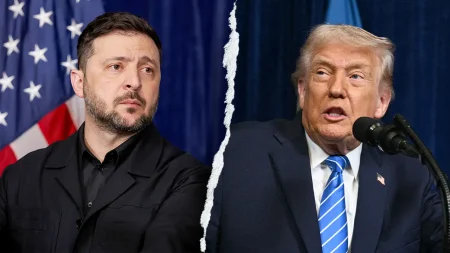
Paragraph 2: Digging a bit deeper, this wasn’t just a minor win—it was a beacon of what’s possible when people sit down and hash things out instead of escalating the fight. The exchange involved hundreds of individuals who’ve been languishing in captivity, likely military personnel and civilians caught in the crossfire, each with families holding their breath back home. By agreeing to this, the parties signaled that peace isn’t a pipe dream; it’s buildable, brick by brick. And Witkoff didn’t shy away from crediting the heavy lifters: the United Arab Emirates for providing the neutral ground to host these discussions, and President Donald J. Trump for his unwavering leadership that made it all possible. For anyone who’s been glued to the headlines of this relentless conflict, this feels like a breather, a moment to exhale and think, “Okay, progress is happening.”
Paragraph 3: Behind the scenes, Trump’s administration has been ramping up its efforts to mediate, positioning itself as the honest broker in a standoff that’s cost countless lives and reshaped global politics. Just the day before Witkoff’s announcement, Trump shared on Truth Social that the Russia-Ukraine war topped his agenda during a phone call with Chinese President Xi Jinping. It’s fascinating how these ripple effects work—leaders thousands of miles apart talking trade, tensions, and territories, all intertwined like a vast geopolitical tapestry. The Trump team seems determined to avoid the pitfalls of past administrations, focusing on sustained talks rather than quick fixes. For everyday folks tuning in, it’s a stark contrast to the shouting matches we’ve seen on news cycles, offering a glimpse that perhaps, just perhaps, cooler heads can prevail and guide us toward stability.
Paragraph 4: Not everyone is popping champagne, though. Enter Senator Lindsey Graham, a Republican from South Carolina known for his blunt takes on foreign policy, who chimed in with his own two cents on the issue. In a post that cut through the optimism like a knife, he urged Trump to consider leveling up Ukraine’s military capabilities by providing Tomahawk missiles—those long-range wonders that could shift the battlefield’s dynamics entirely. Graham’s rationale? That it’s time to pile on the pressure against Vladimir Putin, Russia’s president, to ensure any negotiation doesn’t hand victory to the aggressor. He warned that rewarding bad behavior could spark disasters worldwide, but conversely, a deal resulting in a free, strong, and independent Ukraine (even if it means concessions) would foster global stability. It’s a perspective that adds layers to the story, reminding us that peace is messy and perceptions matter as much as the outcomes.
Paragraph 5: This prisoner swap and the broader peace push tie into a larger narrative of emerging diplomatic wins, including something Witkoff celebrated just recently: the return of the final Israeli hostage from Gaza, heralding a “new day in the Middle East.” It’s like seeing interconnected dots—wars and tensions across continents, with America’s presidency playing referee. Yet, as Graham pointed out, the path ahead demands vigilance. We can’t let momentary breakouts overshadow the hard truths: negotiations must balance firmness with flexibility, ensuring Ukraine emerges not diminished but empowered. For observers, it’s a narrative of human endurance, where hostages reunited with loved ones and POWs tasting freedom again highlight the stakes. The war’s toll—lost lives, displaced families, economic havoc—makes every step forward feel earned, a testament to why continuing these talks matters more than ever.
Paragraph 6: Looking beyond the headlines, this development invites reflection on humanity’s capacity for dialogue in the darkest times. With discussions set to continue and more progress expected soon, the focus shifts to tangible peace—a ceasefire that sticks, borders respected, and a future where Ukrainians can rebuild without fear. Trump’s admiration for Xi’s role and Graham’s calls for stronger support underline the complexity: alliances, armaments, and ideals all dancing in the fray. Ultimately, it’s about envisioning a world where wars end not through domination but through understanding. As we listen to Fox News or scroll through X for updates, remember these aren’t just stories—they’re lives intersecting, hopes kindling. Who knows? This exchange might be the seed from which a lasting resolution grows, proving that even in division, unity can emerge unexpectedly. And in that, there’s room for cautious optimism, for believing diplomacy’s slow burn can illuminate the way forward.