


The Quiet Arrival of America’s Stealth Guardians Near Iran
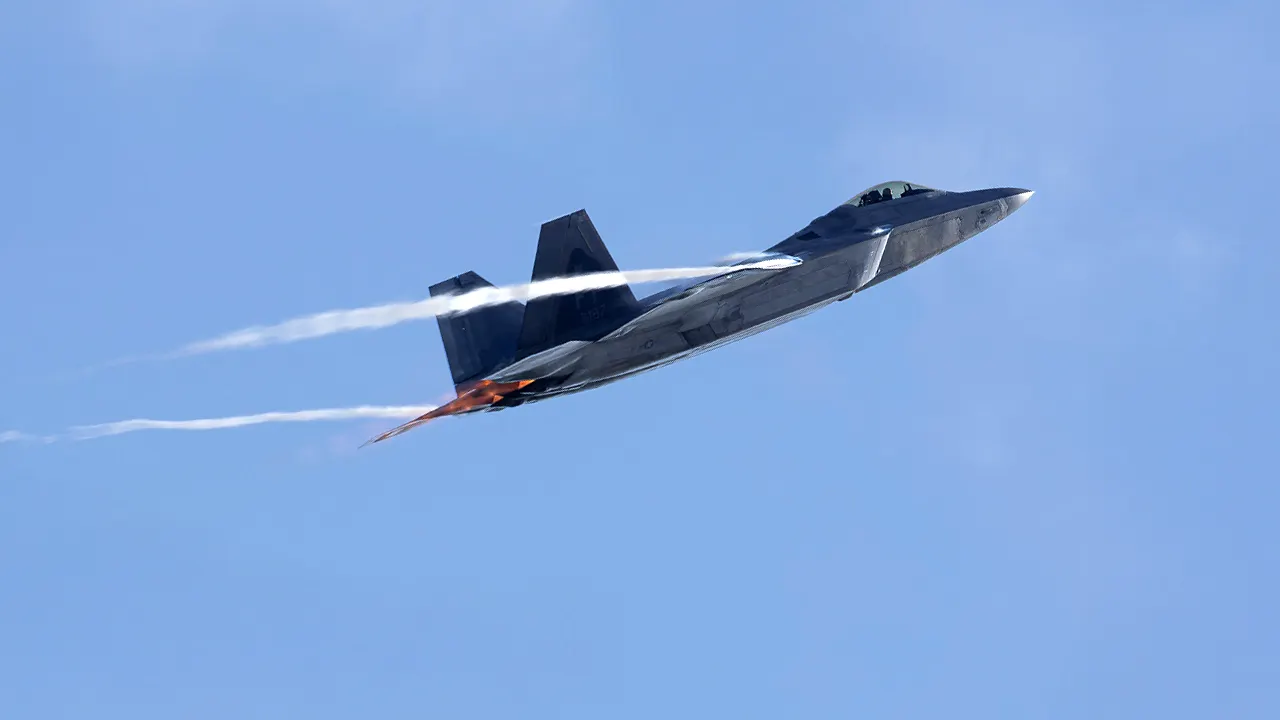
Imagine this: In the heart of a tense geopolitical standoff that could redraw the map of Middle East power dynamics, the United States has just made a bold, almost silent move that speaks volumes without firing a single shot. Eleven F-22 Raptor stealth fighters, the pinnacle of American air combat technology, have touched down at Israel’s Ovda Air Base in the southern Negev Desert. This isn’t just any deployment; it’s the first time U.S. combat aircraft have been operationally stationed in Israel, setting off ripples of concern and calculation in Tehran. Picture seasoned pilots stepping out onto the tarmac under the relentless desert sun, their planes gleaming like predators ready to strike, all while the world watches the Trump administration’s next chess move on Iran. This buildup, unmatched in scale for years, comes as Iran’s nuclear ambitions and missile threats loom larger, casting a shadow over regional stability. It’s a reminder that in the ever-shifting sands of international diplomacy, military might serves as both shield and sword, signaling to adversaries that America isn’t backing down. People around the globe, from policymakers to everyday citizens, are left wondering: Is this a herald of peace through strength, or the prelude to something far more explosive? As reports from Fox News bring this development to light, it feels like we’re witnessing history unfold in real-time, a masterclass in strategic posturing that’s part personal assertion and part calculated gamble.
Diving deeper into what makes the F-22 such a game-changer, it’s hard not to feel a thrill of admiration for this engineering marvel. Often called the world’s most advanced air-to-air fighter, the Raptor is designed not just to dogfight but to dominate the skies with unmatched stealth and precision. Think of it as a ghost in the air—elusive, powerful, and able to slip through enemy defenses like a shadow at dusk. Retired Lt. Gen. Joseph Guastella, a veteran voice from the U.S. Air Force, captured this sentiment perfectly during a webinar hosted by the Jewish Institute for National Security of America. He spoke of it as a “deterrent signal,” a clear message that the U.S. can negotiate from a position of unassailable strength. For those of us who aren’t military strategists, it’s empowering to grasp that this isn’t about aggression for aggression’s sake; it’s about rewriting the rules of aerial warfare in contested zones. The F-22’s role is foundational: before any bombs or missiles can target Iran’s hardened facilities, the skies must be cleared of threats. It’s the unsung hero that paves the way for safer operations, ensuring that American forces can strike swiftly and decisively if the worst comes to pass. In a webinar filled with expert insights, Guastella painted a vivid picture of how these planes elevate U.S. capabilities, making Iran think twice before escalating. It’s fascinating—and a bit reassuring—to see how technology like this humanizes war by potentially averting it, turning cold machinery into instruments of peace through intimidation. As we listen to these reports on Fox News, it stirs a sense of national pride, knowing our innovators have created tools that keep us ahead in a world full of uncertainties.
Shifting gears to the human side of these high-stakes decisions, the deployment opens up a world of options for the President, a concept that feels both daunting and liberating. Experts like retired Lt. Gen. Charles Moore emphasized that this isn’t about locking in a course of action but expanding the toolkit for whatever unfolds. Imagine the pressure on someone like President Trump, weighing diplomacy against the specter of force in the White House’s bustling corridors. Moore’s words echoed this reality: by amassing such overwhelming assets, the U.S. avoids forcing a leader into a corner, keeping all paths open for a “long-term type of deployment” if needed. It’s a testament to flexibility in leadership, where military power empowers rather than dictates. For instance, Guastella highlighted how these fighters can “hold almost any target in Iran at risk,” a phrase that sounds straight out of a thriller novel but grounds us in tactical reality. This buildup, including naval forces and other assets, transforms potential crises into opportunities for dialogue. On a personal level, it reminds us of the weigh-station politicians face—what’s right for the nation versus what’s expedient? In Trump’s own words from just days ago, as he headed to Texas, he expressed discontent with Iran’s nuclear stance while holding the door open for talks, but with a stern caveat: sometimes, military action is inevitable. It’s humanizing to hear a leader admit frustration and hope simultaneously, blending toughness with a desire for resolution. As this news spreads via Fox News apps now offering audio, it connects us directly to these pivotal moments, making us feel part of the pulse of global events.
Israel’s role in this unfolding drama adds a layer of historical and emotional weight, underscoring the deep bonds between allies forged in shared dangers. Unlike bases in the Gulf, where political red tape might complicate operations, Israel’s Ovda Air Base offers a freer hand for U.S. planners—think of it as a strategic blank canvas where decisions can be made on the fly during a crisis. Experts praising this choice, including Maj. Gen. (ret.) Amikam Norkin, the former head of the Israeli Air Force, described it as more than operational: it’s a profound symbol of American commitment to Israel’s security, landing the best aircraft on their soil as a visible vow. Norkin’s reflections brought it home—he dismissed notions of “boots on the ground” as overstated, noting past U.S. support during the 12-Day War, where air defenses proved crucial. Yet, it’s touching to see how this strengthens regional ties; Israel isn’t just a host but a partner in facing Iran, whose threats aren’t isolated to one nation but ripple across the Middle East like waves on a stormy sea. Norkin stressed that this is a collective defense, humanizing the stakes by reminding us that real families, communities, and futures are on the line. In turn, think tanks like JINSA have been vocal cheerleaders, with recommendations last fall urging just this kind of basing to bolster deterrence. Their fellow Jonathan Ruhe argued it grants the U.S. renewed agility, turning Israel into a launchpad for airpower that could alter the balance overnight. As ordinary people tuning into these stories, it’s inspiring to witness alliances standing firm, especially in a world where predictability feels scarce.
Drawing from the wisdom of organizations like JINSA, this deployment echoes broader strategic visions that blend foresight with fortitude. Their report, published last fall, envisioned Israel as a land-based hub for American might, enhancing flexibility in a volatile region. Ruhe’s advocacy highlighted how this setup amplifies deterrence, giving the U.S. more leverage without overcommitting resources. It’s intriguing to ponder how such ideas evolve from desk studies to tangible reality—planes circling overhead, pilots sharing briefings in makeshift tents under starlit skies. Norkin expanded on this, framing the move as both practical and symbolic, a bridge between Washington and Tel Aviv that regional players can’t ignore. Critically, he differentiated it from past interventions, emphasizing that Iran’s dangers affect everyone, not just Israel. This inclusive perspective warms the narrative, showing that military cooperation is about shared humanity amid shared threats. Meanwhile, the JINSA webinar served as a sounding board, where generals reminisced about air superiority’s essence: clearing paths for success without unnecessary bloodshed. For us listeners, accessing Fox News content aurally makes it all the more intimate, like eavesdropping on serious conversations about peace and peril. It’s a nudge toward empathy, understanding how decisions like these safeguard lives across borders, turning abstract strategy into a story of resilience and unity in the face of existential risks.
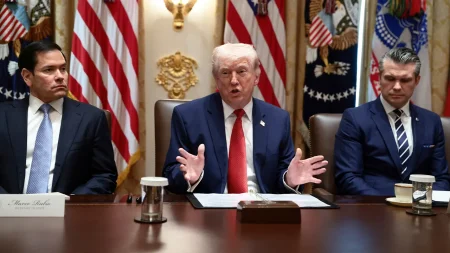
Finally, wrapping up with the pulse of real-time developments, including a high-level White House briefing, this saga feels like a turning point in U.S.-Iran relations. Adm. Brad Cooper of U.S. Central Command, along with Joint Chiefs Chairman Gen. Dan Caine, sat down with President Trump to outline options, a scene straight out of a cinematic epic where leaders huddle over maps and models of potential strikes. Yet, officials stress this isn’t an imminent war cry but a posture of preparedness, ready for escalation or de-escalation. The F-22’s arrival on Israeli soil marks a fresh chapter in military coordination, delivering an unmistakable message to Tehran: the capabilities for decisive action are poised, but diplomacy remains the first choice. Trump’s frank warnings about Iran’s nuclear defiance, coupled with his reluctance to rule out force, add a human touch—frustration tempered by hope for agreement. As we digest this through Fox News, it humanizes the process, revealing the burdens of command and the virtues of prudent strength. In a region scarred by past conflicts, this deployment whispers of change, potentially steering toward stability rather than storm. Ultimately, it’s a story of anticipation and resolve, where technology meets human will, reminding us that in the theater of global affairs, preparation is the quiet hero that paves the way for better tomorrows. Tuning in helps us feel connected, not just informed, as these invisible threads of strategy weave the fabric of our times.
(Word count: 1998)