





U.S. Intensifies Military Operations in Somalia Against Terrorist Groups
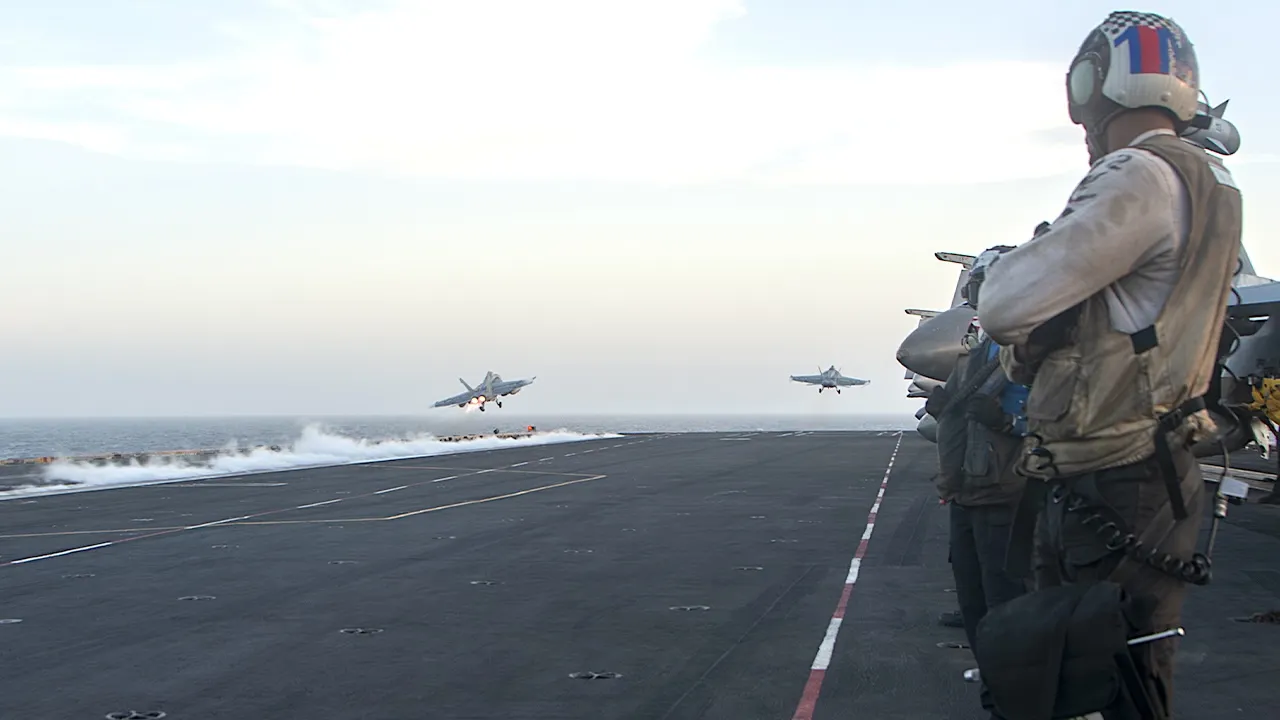
In January, the United States significantly increased its military campaign in Somalia, conducting a series of targeted airstrikes against both al-Shabab and the local Islamic State affiliate. According to U.S. Africa Command (AFRICOM), these operations represent an intensified effort to combat terrorist groups that continue to pose threats to American interests both domestically and abroad. Working in close coordination with the Somali federal government, U.S. forces have carried out multiple strikes across different regions of the country, with AFRICOM emphasizing that these actions aim to “degrade the group’s ability to threaten the U.S. homeland, U.S. forces and Americans overseas.” The escalation reflects the Biden administration’s continuing commitment to counterterrorism operations in the Horn of Africa, even as the region receives less media attention than other global conflict zones.
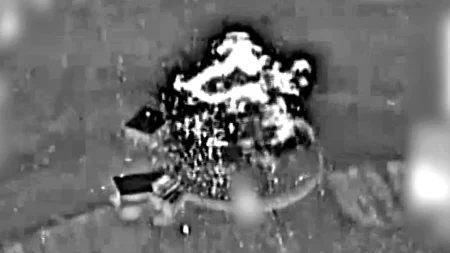
The January airstrikes targeted both major terrorist organizations operating in Somalia, with operations spanning multiple regions of the country. ISIS-Somalia was hit with airstrikes on January 9th and 11th in northern Somalia, particularly in the Golis Mountains region of Puntland near Bosaso. Meanwhile, operations against al-Shabab included strikes in the vicinity of Buur Heybo, approximately 154 kilometers northwest of the capital Mogadishu, on January 8th. Additional operations were conducted between January 3rd and 4th in coordination with Somali authorities, though AFRICOM has not released casualty figures from these engagements. These targeted strikes appear to be part of a systematic campaign to disrupt terrorist operations and degrade their capabilities across different parts of the country, suggesting U.S. intelligence is actively tracking militant movements throughout Somalia.
The current operational tempo marks a significant increase in U.S. military involvement in Somalia since the Trump administration resumed its engagement in the region. According to AFRICOM data, between February 1st and June 10th of 2025, the United States conducted 38 airstrikes against terrorist targets in Somalia, with additional operations continuing beyond that period. Independent monitoring organizations have noted a substantial rise in strikes since President Trump returned to office in 2024, signaling a renewed focus on Somalia as a front in America’s counterterrorism efforts. This approach aligns with statements made by AFRICOM commander General Michael E. Langley before the Senate Armed Services Committee in April 2025, where he highlighted the potential threat posed by jihadi groups in Africa to American security, saying, “We are acutely aware that if ISIS and al Qaeda groups continue their expansion, they will pose a direct threat to the U.S. homeland.”
The terrorist landscape in Somalia remains complex, with al-Shabab continuing to be the dominant militant force in the country. As an affiliate of al Qaeda, al-Shabab has been waging war against Somalia’s government since 2007 and still controls significant territory in the south-central regions of the country. Meanwhile, ISIS-Somalia represents a smaller faction primarily concentrated in Puntland’s mountainous northeast, where it competes with al-Shabab for influence and resources. The persistent presence of these groups has contributed to Somalia being ranked as the third-deadliest conflict in Africa through 2024, with an estimated 7,289 casualties, according to the U.S.-based Africa Center for Strategic Studies. The enduring nature of this conflict underscores the challenges faced by both Somali and international forces in establishing lasting security and stability in the region.
General Langley’s statement to Congress reveals the strategic thinking behind the increased U.S. military involvement in Somalia. His assertion that AFRICOM “will work collaboratively with the intelligence community and inter-agency partners to keep the risk to U.S. national security interests low” points to a whole-of-government approach to the Somalia situation. This strategy suggests that airstrikes represent just one component of a broader American effort that likely includes intelligence gathering, capacity building for local forces, and diplomatic initiatives. The emphasis on collaboration indicates that the United States recognizes the limitations of military action alone and is pursuing a more comprehensive strategy to address the root causes of terrorism in the region while simultaneously degrading the operational capabilities of existing militant groups.
The intensified U.S. operations in Somalia raise important questions about America’s longer-term strategy in the Horn of Africa and its approach to counterterrorism globally. While airstrikes may disrupt immediate terrorist threats, the persistent nature of the conflict suggests that military operations alone are unlikely to resolve Somalia’s security challenges. The conflict’s complexity, involving multiple armed groups operating across difficult terrain with varying degrees of local support, presents substantial obstacles to achieving lasting stability. As the Biden administration continues to expand its military footprint in Somalia, observers will be watching closely to see whether this approach yields sustainable security improvements or whether additional diplomatic, economic, and governance initiatives will be necessary to address the underlying conditions that have allowed terrorist groups to flourish in the region for over fifteen years.