





Gaza Ceasefire Enters New Phase as International Efforts Continue
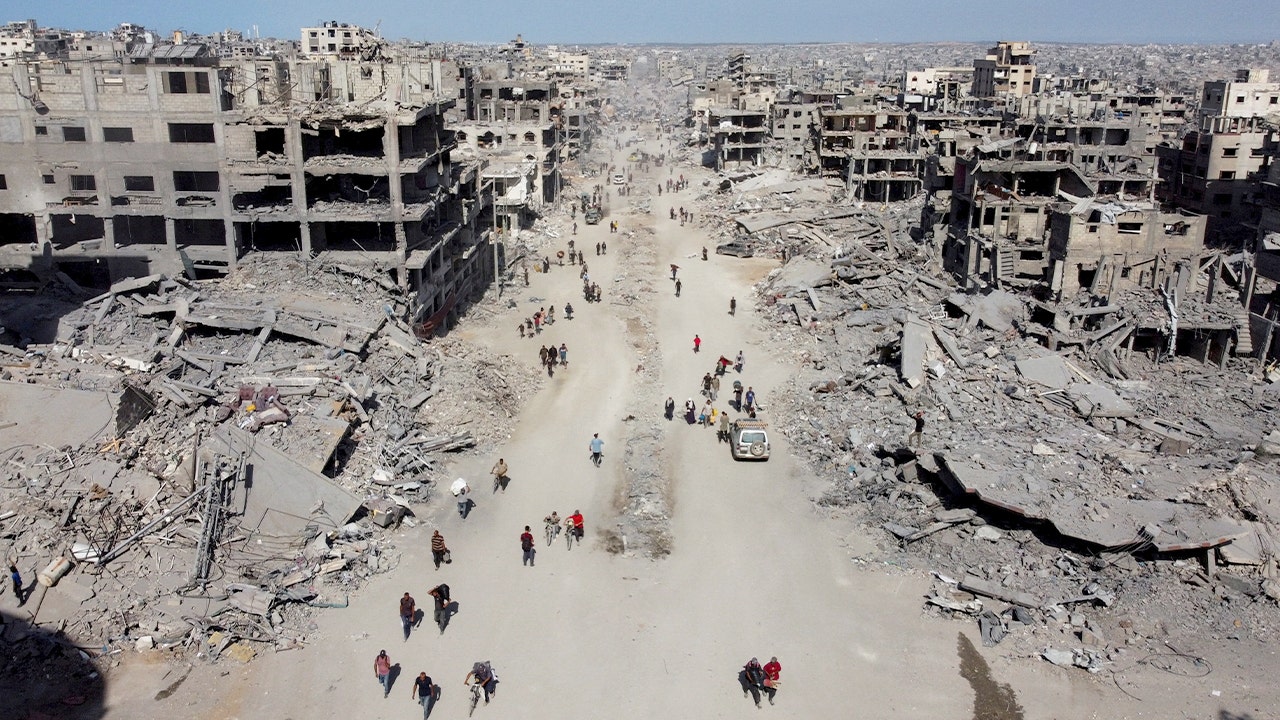
U.S. special envoy Steve Witkoff has announced that preparations for the second phase of the Gaza ceasefire plan are now underway, signaling potential progress in the ongoing peace process. This development follows high-level discussions in Miami that brought together representatives from Egypt, Qatar, and Turkey in U.S.-led talks focused on building upon the initial successes achieved in phase one. The collaborative approach demonstrates the international community’s commitment to establishing a sustainable path toward peace and recovery in the war-torn Gaza region, where both immediate humanitarian concerns and long-term governance challenges must be addressed simultaneously.
The first phase of the ceasefire has already yielded meaningful progress according to Witkoff, who highlighted several key achievements that have helped stabilize the situation. During this initial period, humanitarian aid successfully flowed into the Gaza Strip, bringing essential supplies to civilians caught in the crossfire. The level of hostilities decreased significantly, accompanied by a partial withdrawal of Israeli forces from certain areas. Perhaps most notably, all living hostages were released, along with most of those who had been killed, leaving only Israeli police officer Ran Gvili—who was killed during the October 7, 2023 attacks—as the last remaining hostage whose body has not yet been returned. These concrete steps have created a foundation upon which the more complex second phase can now be built.
The Miami talks revealed ambitious plans for Gaza’s future governance and security arrangements, with Witkoff emphasizing the need for “enabling a governing body in Gaza under a unified Gazan authority to protect civilians and maintain public order.” This approach acknowledges the importance of local leadership while ensuring sufficient stability to protect vulnerable populations. The discussions also explored broader regional integration measures that could support Gaza’s recovery and long-term prosperity, including trade facilitation, infrastructure development, and essential cooperation on shared resources like energy and water. This comprehensive approach recognizes that Gaza’s challenges cannot be solved in isolation, but require coordinated regional efforts and economic opportunities to create sustainable peace.
Before the Miami meetings, similar talks were held in Cairo, bringing together intelligence chiefs from Turkey and Egypt along with Qatar’s prime minister, demonstrating the multilayered diplomatic efforts taking place across multiple venues. During these Cairo discussions, participants reportedly agreed to strengthen coordination with the Civil Military Coordination Center to ensure the continuity of the ceasefire and prevent violations. The Turkish source who spoke to Reuters indicated that addressing alleged Israeli ceasefire violations was among the topics discussed, highlighting the ongoing tensions and challenges that threaten the fragile peace. These parallel diplomatic tracks reveal the complex web of stakeholders involved in securing lasting stability in Gaza.
The second phase of the ceasefire plan contains several ambitious elements that will significantly reshape Gaza’s security landscape and governance structure. Most notably, this phase envisions the deployment of an international stabilization force to maintain security while simultaneously developing an international governing body for Gaza. The disarmament of Hamas—a particularly challenging objective given the group’s deep entrenchment in Gaza—is also a central component of this phase. Additionally, Israeli forces are expected to withdraw further from the so-called “yellow line” as the international force assumes control, creating more space for civilian governance to take root. These elements represent a delicate balancing act between addressing Israel’s security concerns and creating conditions for Palestinian civilian governance.
As the process moves forward, Witkoff has emphasized the importance of “sequencing, coordination, and effective monitoring in partnership with local Gazan institutions and international partners.” This acknowledgment of the need for careful implementation recognizes the fragility of the situation and the potential for setbacks if steps are not properly coordinated. The involvement of multiple countries from the region alongside international partners creates a broad coalition of stakeholders invested in the ceasefire’s success. While significant challenges remain—particularly regarding Hamas disarmament and the establishment of effective governance structures—the continued diplomatic engagement and step-by-step approach provide a framework through which lasting peace might eventually be achieved. For the civilians caught in this conflict for too long, these developments offer a glimmer of hope that their suffering might finally be coming to an end.