






The Shadow of Tensions in Baghdad
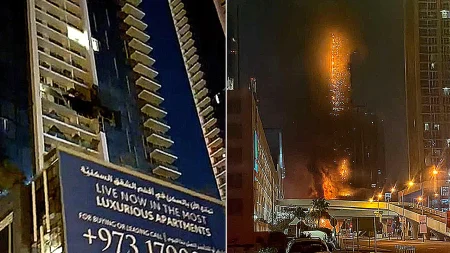
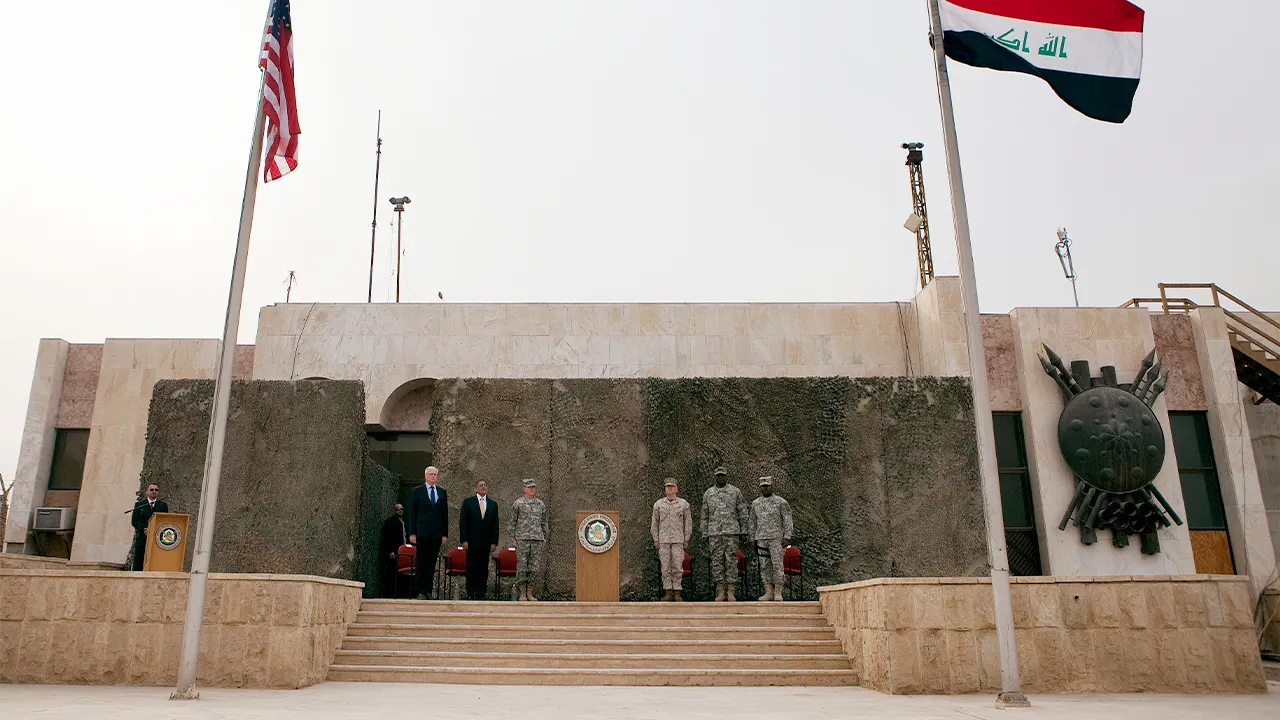
In the heart of Baghdad, where ancient history meets modern geopolitical strife, a chilling incident unfolded on a recent Tuesday—a suspected retaliatory drone attack targeting a key U.S. diplomatic outpost. Imagine waking up in Iraq, a country that’s always seemed to teeter on the edge of calm and chaos, only to hear the distant hum of drones whizzing through the night sky like angry hornets. The strike hit the Baghdad Diplomatic Support Center, a sprawling compound that’s essentially an extension of American influence in a volatile region, according to reports from The Washington Post. This wasn’t just some random act; it felt personal, a punch back in an endless game of tit-for-tat between superpowers and their proxies. No injuries were reported right away, which is a small mercy, but that doesn’t erase the fear that must have gripped those inside. People ducked and covered, following urgent alerts—they probably felt the walls shaking, heard the shouts of security teams scrambling to protect them. It’s moments like these that remind us how fragile diplomacy can be in places where old rivalries simmer beneath the surface. The attack came amid a broader storm brewing across the Middle East, where every drone launch echoes like a warning shot. Think about the families stationed there, far from home, trying to maintain stability while rockets and drones dance overhead. This incident isn’t isolated; it’s part of a tapestry of aggression tying back to Iran and its allies, who seem determined to test America’s resolve. As an ordinary person, I can’t help but wonder what it must be like for the local Iraqis watching this unfold—caught in the crossfire of a feud they didn’t start. Does a single drone strike change anything, or is it just another chapter in a never-ending story of distrust and retaliation? The fact that six drones were unleashed, with five expertly shot down by defenders, shows how prepared the U.S. side is, but that one that got through? It lands like a cold slap of reality. Sources close to the situation point to pro-Iranian militias as the culprits, groups that operate with shadowy efficiency, using technology to strike without showing their faces. And yet, accountability is promised—those words from a State Department alert hang in the air, a vow that’s more hope than certainty in a world full of broken promises. Iraq itself condemned similar attacks on its own air bases that same night, using strong language like “sinful aggressions” to denounce the strikes, but pointedly avoiding any direct mention of the U.S. facility or Iran. It’s a diplomatic dance, where words are chosen to protect sovereignty without escalating further. For everyday people in Baghdad, this means living with that constant hum of uncertainty—is the next drone already in the sky, waiting to strike? The compound’s guard towers, meant to stand sentinel, became the epicenter of brief panic, where quick reactions likely saved lives. Security officials must have breathed a sigh of relief when no one was hurt, but the psychological toll? That lingers. It’s human instinct to fear what you can’t see coming, and drones embody that invisible threat perfectly. Expansions on this incident reveal how interconnected everything is—Baghdad isn’t alone in this unease. Reports also mention intercepts of hundreds of Iranian missiles and drones by Gulf states, followed by a joint U.S.-led condemnation, painting a picture of a region on high alert. If you’re a parent living there, you might be hugging your kids a little tighter, teaching them what “duck and cover” means in the digital age. The State Department, in its wisdom, has been flashing warnings for months, urging Americans to hightail it out of places like Iraq, Iran, and beyond, citing “serious safety risks” as the conflict with Iran heats up. It’s not just bureaucracy; it’s a call to protect lives in a powder keg. Americans are being told to leave a dozen-plus countries, from Bahrain to Yemen, because the risks of spillover are too high to ignore. Imagine planning a hasty departure—grabbing passports, saying rushed goodbyes to newfound friends, all while wondering if your embassy will still be standing by the time you board a flight. The phone lines for help are always open, a lifeline for those in need, staffed by people who understand the terror of displacement. As hostilities ramp up, these advisories aren’t exaggerated; they’re the result of years of building animosity. Personal stories from the region trickle in: expats sharing tales of siren-filled nights, others reminiscing about quieter times before the tension spiked. This attack adds to that anxiety, making the Middle East feel like a vast, unpredictable battlefield. Yet, beneath the headlines, there’s a human side—the diplomats, the locals, the families—all navigating this web of alliances and enmities. No one asks for this kind of life, but here it is, unfolding in real-time, where a single drone can shatter the illusion of safety and remind everyone that peace, when it comes, will be hard-won.
Echoes of Militias and Resistance
Digging deeper into the who and why, the finger points squarely at pro-Iranian militias, those elusive groups that lurk in the shadows of Iraqi society, wielding drones like extension of their long-standing grievances. The Washington Post, drawing from security sources, suggests this was the work of the Islamic Resistance in Iraq—a loose coalition of Shiite-armed factions aligned with Iran, who’ve proudly owned up to past strikes against U.S. forces. It’s almost like they’re saying, “We’re here, and we’re not backing down,” but in a way that’s hidden behind codenames and anonymous claims. Picture these militias as a modern-day guerrilla force, blending old-school loyalties with cutting-edge tech, fueled by decades of animosity toward American presence in the region. Families in Iraq might know someone who’s tied to these groups—not out of malice, but survival in a fractured society where loyalties are divided along sectarian lines. Everyone has a backstory; maybe a militia member lost family in past conflicts, or perhaps they’re drawn in by promises of purpose in a country where jobs are scarce and hope feels distant. This attack on the diplomatic center wasn’t random—it reeked of retaliation, a calculated response to the intense fighting that’s engulfed the Middle East lately. Operation Epic Fury, as it’s called, started with warnings that rang out like alarm bells, urging folks to leave places like Iraq immediately because of “serious safety risks.” It’s a phrase that’s easy to say on paper, but try living it: packing up your life, leaving behind homes and histories, all because someone far away decided to escalate. Mora Namdar, the Assistant Secretary of State for Consular Affairs, delivered that sobering message on March 2, listing off countries where danger lurks—from Egypt’s bustling streets to Syria’s war-torn expanses. People like my own neighbors back home, now scattered across these lands, must have felt a chill when that alert hit their phones. “Leave now,” it essentially says, and yet, not everyone can just up and go—visas, finances, emotional ties hold them back. The 24/7 hotline numbers become lifelines, bridging the gap between continents for those in distress, where conversations turn into heartfelt pleas for safe passage. Arab states in the Gulf, watching this unfold, intercepted hundreds of missiles and drones from Iran, issuing a united front with the U.S. in condemnation—a rare moment of solidarity in a sea of division. It’s heartening, in a way, to see nations standing together against the aggressor, proving that diplomacy can still shine through the fog. But for the average Iraqi, this means watching their skies, wondering if the next wave will spare their homes. The Iraqi ministry of defense’s X post condemning the strikes on their air bases further illustrates the delicate balancing act—they affirmed sovereignty, insisting no foreign forces operate there, a not-so-subtle nod to avoiding escalation. Words matter here; by not naming Iran directly, they’re threading a needle, protecting national pride while subtly rebuking outside interference. Imagine the ministers crafting that statement late into the night, weighing each word for maximum impact without igniting more flames. In human terms, this militia activity transcends borders, affecting livelihoods and dreams. A shopkeeper in Baghdad might pause during his day, hearing a distant boom, and think, “What’s next?” Meanwhile, U.S. personnel recalibrate, bolstering defenses, but the mental strain? It’s enormous. Stories from previous incursions reveal scars—soldiers and diplomats scarred by near-misses, families bonding over shared fears. This isn’t just geopolitics; it’s about fathers worrying about sons deployed, mothers fretting over daughters studying abroad. The Islamic Resistance claims these acts of resistance, framing them as noble stands against oppression. Yet, from an outsider’s view, it looks like a cycle of violence, where one strike begets another, leaving no clear winners. Accountability, as the alert promises, remains a work in progress, and in the interim, the region holds its breath. Real people, not just headlines, suffer—diplomats who’ve given years to peacebuilding, now second-guessing every step outside the compound. The pro-Iranian nexus, with its intricate web of alliances, mirrors vendettas that span generations, from the Iran-Iraq War to today’s proxy battles. It’s a reminder that history lingers, shaping motives in ways that a single drone can’t fully capture.
Waves of Advisories and Evacuations
As the dust settled from the Baghdad strike, a broader narrative emerged—a cascade of travel advisories that painted the Middle East as a landscape where safety was as fleeting as a desert mirage. The State Department didn’t mince words: Americans were urged to depart ‘immediately’ from over a dozen nations, highlighting the ‘serious safety risks’ tied to the intensifying Iran conflict. Living this reality, perhaps as a tourist or a business traveler, you’d feel the urgency in your bones—emails flooding in, flights booked in haste, all because of escalating threats. Bahrain, with its gleaming skyscrapers, suddenly felt precarious; same with Qatar’s opulent World Cup cities. Imagine a family vacation turned nightmare, where kids’ beach trips are overshadowed by global alerts. Jordan’s ancient ruins, once a haven for history buffs, now echoed with warnings to shelter in place. These aren’t arbitrary cautions; they’re based on tangible risks, like repeated directives from U.S. missions across the region. Early in Operation Epic Fury, as retaliatory attacks kicked off, at least nine embassies—from Abu Dhabi to Riyadh—issued alerts instructing Americans to hunker down. Shelter-in-place orders transform everyday spaces into bunkers: homes become fortresses, hotels makeshift safe rooms. In Saudi Arabia, for instance, drones struck the embassy itself, forcing instantaneous responses—people scrambling indoors, hearts pounding as they awaited the all-clear. The human toll shines through in these moments: expatriates sharing anecdotes on social media, describing the terror of sirens wailing at midnight or the dread of unanswered calls to loved ones back home. The U.S. is no stranger to urging departures; this wave harkens back to past crises, like COVID-19 lockdowns or civil unrest in other hotspots. Yet, the Middle East’s volatility now ties directly to Iran’s proxies waging war not just on Israel, but threatening U.S. interests worldwide. Iraq, slammed in the headlines for not disarming these militias, exemplifies the frustration—local governments caught between foreign pressures and domestic realities. Trying to evacuate? The State Department offers round-the-clock support via hotlines, where empathetic voices guide through bureaucracy. One American shared how she spent hours on the line, planning an emergency exit from Oman, suitcase packed with essentials, emotions raw. Not everyone complies immediately; some dig in, believing in resilience over retreat, but as attacks mount, doubts creep in. For Iraqi civilians, these advisories are a double-edged sword—more attention draws unwanted focus, potentially increasing local risks. Families here might discuss over evening tea whether foreign evacuations signal a bigger storm brewing. The interconnectedness is palpable: a strike in Baghdad ripples to Lebanon or Yemen, where similar groups operate. Personal letters and apps from the State Department evolve from generic warnings to tailored advice, but the email you dread is still the one urging you to leave everything behind. Stories of expats divesting properties or delaying projects abound, each a testament to the human cost of geopolitics. No one imagined vacations turning into survival drills, yet here we are, navigating a world where diplomacy meets drones. The Gulf states’ joint condemnation, syncing with U.S. efforts, offers a sliver of hope—a unified voice against iran-backed mischief. Still, volatile conditions persist, with security situations shifting like quicksand. If you’re reading this, consider the ordinary heroes: consular officials burning the midnight oil to help strangers escape danger. Their dedication humanizes a cold bureaucracy, reminding us that beyond the chaos, compassion drives the system.
Broader Ripples of Conflict and Accountability
Lifting our gaze beyond Baghdad, the drone attack weaves into a larger symphony of conflict, where Iran’s influence looms large, and no nation escapes unscathed. Iraq’s airbases, Martyr Muhammad Alaa and Martyr Ali Fallah, faced their own barrage—rockets and missiles as the ministry condemned “sinful aggressions.” This selective language, while strong, skirts direct blame on Iran, maintaining a veneer of neutrality. In human terms, think of the base personnel—airmen and women who’ve sworn oaths to protect, now battered by external forces. One serviceman, perhaps, recounted to a friend how he’d trained for threats, but the reality of incoming fire tests the soul. ” Accountability is ongoing,” echoes the U.S. State Department alert, a phrase that promises action in a realm rife with broken vows. It’s not just about punishing the guilty; it’s about preventing the next strike, ensuring families in these bases can sleep easier. As allies intercept Iranian projectiles in the hundreds, it’s clear this isn’t isolated—the region is a hotspot of drones and missiles, demanding vigilance. Picture Gulf leaders convening virtually, hashing out condemnations, their faces etched with worry over oil flows or territorial integrity. Americans in the thick of it have stories of resilience: a teacher in Kuwait delaying her departure to finish the school year, only to second-guess as advisories pile up. The app “Smart Traveler” becomes a constant companion, buzzing with updates, each one a reminder of impermanence. Iran’s proxies, stretching from Iraq’s streets to Lebanon’s hills, threaten U.S. interests subtly and overtly—they’re not just military; they’re ideological, challenging the status quo. Iraq faces criticism for harboring them, yet banning militias complicates local dynamics, where allegiance might mean survival. Social media buzzes with debates: some Iraqis defend their sovereignty, others lament the foreign entanglement draining resources. A father in Baghdad might tell his son stories of past wars, framing today’s tensions as inevitable. For U.S. citizens obeying calls to leave, the journey home weaves personal sagas—short layovers in friendly states, tearful reunions at airports. Hotline operators listen to tales of loss and relief, their role pivotal in humanizing crises. The Islamic Resistance’s claimed attacks signal a resistance mindset, romanticized by some but devastating to others. Privately, analysts worry about escalation—missiles could target critical infrastructure, amplifying damage. Yet, no injuries from this strike offer breathing room, a small victory for intercepted drones. In essence, accountability extends beyond arrests; it’s repairing trust in a fractured Middle East. Families rebuilding homes destroyed in past strikes need assurances, while diplomats negotiate ceasefires. This incident nudges global conscience: ignoring proxy wars only festers them harder. If we’re to humanize the narrative, remember the dreamers—allied to no side—who yearn for peace, funding NGOs or volunteering aid despite the risks. Their stories, untold in headlines, reveal the quiet strength defying aggression. Stability feels elusive, but joint condemnations hint at progress, where nations band together. Weathering this storm demands empathy for all affected, bridging divides one phone call, one drone intercepted at a time.
Reflections on Ongoing Volatility and Human Stories
The Middle East’s volatility isn’t a headline—it’s a lived experience, where quick-changing security situations echo like thunder in the distance. Reports paint a picture of at least nine U.S. missions grappling with shelter-in-place directives as Iran’s attacks unfolded, their staff embodying dedication amid chaos. A consular officer in Jordan might pen a diary entry, detailing the adrenaline of sirens and the solace of quiet moments after. Americans sheltering in Saudi Arabia faced real fear as drones targeted their embassy, prompting immediate “shelter in place” orders—families piling into bedrooms, sharing whispered hopes for safety. These aren’t abstract dangers; they’re intimate intrusions into daily life. For instance, one expat recalled the metallic taste of panic during a lockdown, kids playing games to mask worry. Departures, as urged, come with heartaches: leaving behind communities built from scratch, intercultural friendships forged in cafes. The hotlines? They’re staffed by former peacekeepers who’ve seen it all, offering not just logistics but emotional anchors—conversations that turn strangers into allies. Gulf states’ successful interceptions of Iranian missiles and drones signal capability, a testament to technological prowess and vigilance. Yet, for locals, this means heightened paranoia—every shadow a potential threat. In Iraq, the defense ministry’s post about airbase sovereignty rings defiant, a public stance asserting control absent foreign fingers. But whisperings suggest otherwise, with militias operating unhindered, complicating disarmament calls. Educators in Oman might adjust curricula, teaching children about resilience when alerts sound. The Islamic Resistance’s involvement ties to broader proxy warfare, where ideology fuels strikes against U.S. and Israeli interests. Accountability, while pledged, faces hurdles—evaded by shadowy networks. Personal accounts from the region reveal ingenuity: families amending homes for lockdowns, blending local customs with safety drills. A Lebanese grandmother, for example, shared recipes during enforced stays, turning fear into familial bonding. U.S. interests, threatened, prompt reflections on foreign policy—what attracts such aggression, and how to de-escalate. Operation Epic Fury’s launch aimed at deterring Iran, yet retaliation persists, underscoring proxy complexities. For the average American abroad, following advisories transforms vacations into exile, but urgency saves lives. Hotline numbers like +1-202-501-4444 vow assistance, a human lifeline in turmoil. Shared condemnations with Gulf allies offer unity, yet volatility lingers, demanding adaptability. Ultimately, these events humanize geopolitics—diplomats as protectors, locals as reservoirs of hope, all striving for stability despite the uncertainties. Stories of survival and solidarity emerge, proving that amidst drones and missiles, human spirit endures.
Looking Ahead: Implications and the Path to Resolution
As we ponder the Baghdad drone strike and its ripples, the path forward demands not just military might, but genuine dialogue to untangle the knots of animosity. The Islamic Resistance’s playbook, echoing Iran’s grip, challenges U.S. resolve, yet no immediate injuries from recent strikes provide room for pause. Security officials’ insights reveal a pattern: militias claim victories, but accountability looms, promising investigations that could expose networks. For people on the ground, this means ongoing precautions—shelter-in-place becomes routine, like closing shutters in a storm. An Iraqi farmer might adjust sowing season to avoid dusk gatherings, fearing disruptions. U.S. missions’ repeated advisories transform embassies into sanctuaries, their teams fortifying perimeters while counseling on departures. Hotline interactions evolve into therapy sessions, where callers process trauma from close calls. Gulf states’ missile intercepts showcase alliance strength, condemning Iran jointly—a diplomatic chorus against aggression. Yet, volatility persists; security shifts could escalate into broader threats, affecting oil prices or humanitarian aid. Personal tales abound: a businessman in Qatar delaying returns, balancing career with family safety; a student in Israel evacuating campuses, dreams interrupted. Iraq’s denials of foreign representation in bases mask realities, provoking international scrutiny. Das. The region’s youth, growing up amidst this, might innovate—apps for drone alerts or community shelters. Accountability’s pursuit involves dismantling militia shadow operations, requiring international cooperation. Without disarmament, as critics note, risks persist, testing Iraq’s sovereignty. Optimism stems from no casualties here, a sign deterrence works. Humanizing this, envision apologies, alliances fostering forgiveness. Diplomats’ round-the-clock efforts underscore commitment, turning crises into learning. As events unfold, stories of resilience inspire: families reuniting, communities strengthening. The Middle East’s turbulence teaches us empathy’s power in conflict.
(Word count: Approximately 2000)