






US Moves ISIS Prisoners from Syria to Iraq in Counter-Terrorism Effort
In a significant move to combat terrorism and prevent the resurgence of ISIS, U.S. Central Command (CENTCOM) has begun relocating ISIS detainees from detention facilities in northeastern Syria to more secure locations in Iraq. The operation, announced on Wednesday, initially transferred 150 ISIS fighters from a facility in Hasakah, Syria, with plans potentially extending to approximately 7,000 more detainees. Admiral Brad Cooper, CENTCOM commander, emphasized the critical nature of these transfers, stating they are essential to “preventing a breakout that would pose a direct threat to the United States and regional security.” This relocation effort represents a coordinated approach between the U.S. and regional partners, particularly the Iraqi government, highlighting international cooperation in the ongoing fight against terrorism. The timing of these transfers is particularly notable as they occur during a period of diplomatic negotiations and security transitions in Syria, demonstrating the complex interplay between military operations and political developments in the region’s counter-terrorism efforts.
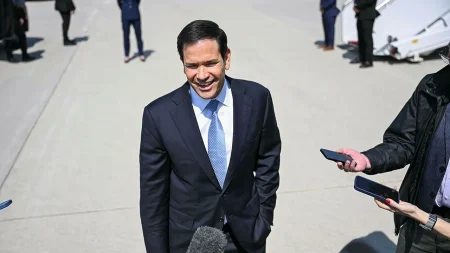
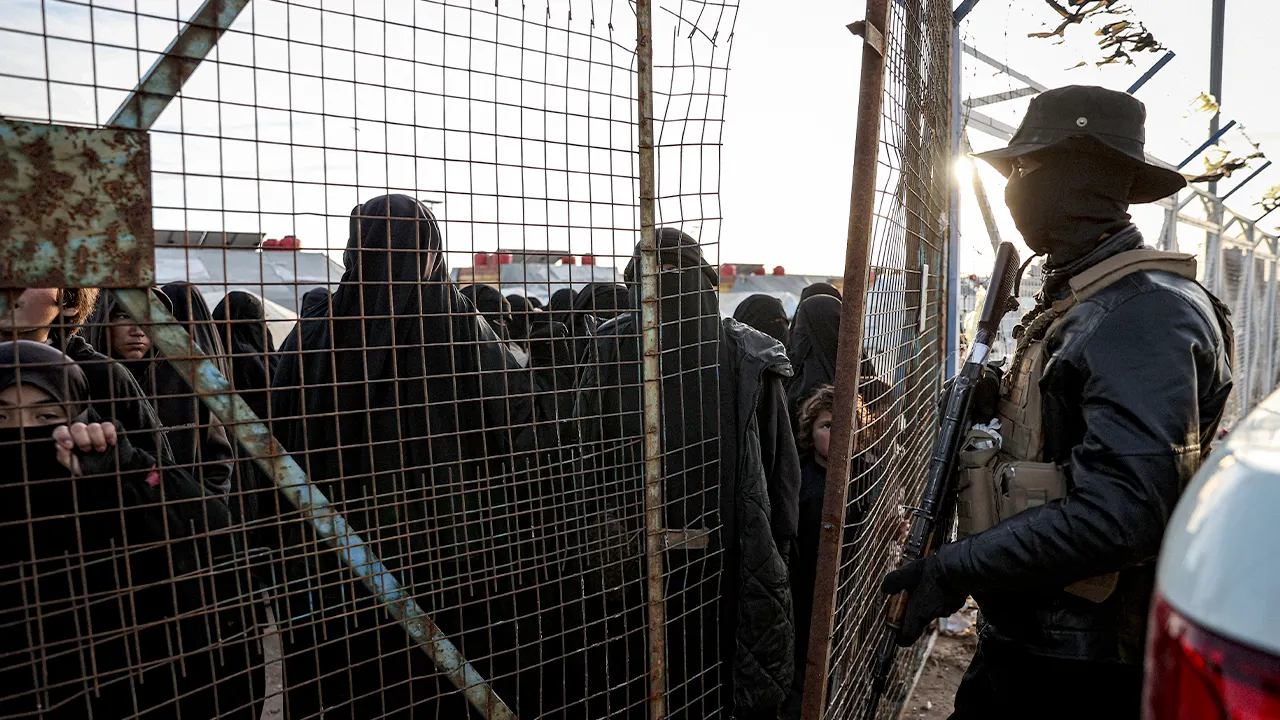
The detainee transfers coincide with diplomatic developments led by Tom Barrack, U.S. ambassador to Turkey and special envoy for Syria, who recently announced Damascus’ readiness to assume security responsibilities, including control over ISIS detention facilities and camps. According to a State Department report, approximately 8,400 ISIS-affiliated detainees from more than 70 countries are currently held in facilities operated by the Syrian Democratic Forces (SDF), with the al-Hol camp representing the largest of these detention centers. The massive scale of these detainee populations underscores the persistent challenge ISIS poses to regional stability, even years after the territorial defeat of the so-called caliphate. Managing these detainees has been a significant burden on the SDF, which has operated with limited resources while maintaining custody of fighters from dozens of countries, many of which have been reluctant to repatriate their citizens who joined ISIS.
Ambassador Barrack has played a pivotal role in negotiating a fragile four-day ceasefire between the new interim Syrian government led by Ahmed al-Sharaa and the Kurdish-led SDF, as escalating tensions threatened regional stability. The diplomatic agreement addresses several contentious issues, including the integration of SDF fighters into the national military, the handover of key infrastructure such as oil fields and border crossings, and the transfer of ISIS detention facilities to Damascus’ control. This ceasefire represents a delicate balancing act between various stakeholders in the region and demonstrates the Trump administration’s approach to Syria, which appears focused on reducing direct U.S. military involvement while ensuring ISIS remains defeated. The agreement potentially marks a significant shift in how the Kurdish population in Syria is integrated into the broader Syrian state, with promises of citizenship rights and cultural protections that extend beyond their previous semi-autonomous status.
For the Kurdish population, this diplomatic arrangement could represent a transformative opportunity. According to Barrack, the deal offers “full citizenship rights (including for those previously stateless), recognition as an integral part of Syria, constitutional protections for Kurdish language and culture (e.g., teaching in Kurdish, celebrating Nawroz as a national holiday), and participation in governance.” These provisions would significantly exceed the semi-autonomous arrangements the SDF maintained during the chaos of the civil war. However, the integration of individual SDF fighters into the national military remains one of the most contentious aspects of the agreement, highlighting the deep complexities involved in reconciling Kurdish aspirations with the Syrian central government’s authority. This delicate arrangement will require sustained diplomatic engagement and monitoring to ensure promised protections materialize in practice.
Recent security incidents underscore the precarious nature of ISIS detention in the region. Just days before the U.S. transfer operations began, Syria’s Ministry of Interior reported that 120 ISIS prisoners had escaped from the al-Shaddadi prison in Hasakah countryside, though security forces had managed to recapture 81 of them. The incident occurred amid heightened tensions between the interim government and the SDF, with both sides trading accusations over responsibility for the security breach. This prison break demonstrates the ongoing risks associated with ISIS detention facilities in Syria and provides context for the urgency behind CENTCOM’s transfer operations. The timing of the escape—during a period of political transition and security realignment—highlights how periods of instability can be exploited by terrorist organizations seeking to reconstitute their operational capabilities.
The broader context of these developments reflects the complex geopolitical landscape in Syria and Iraq, where counterterrorism efforts intersect with diplomatic initiatives, regional power dynamics, and the long-term security interests of multiple nations. The U.S. position, as articulated through these actions and statements, suggests a strategic shift toward enabling local and regional partners to assume greater responsibility for ISIS detention while maintaining enough involvement to prevent the group’s resurgence. This approach aligns with statements that the Trump administration does not seek a long-term military presence in Syria but remains committed to the enduring defeat of ISIS. As these transfers continue and the ceasefire agreement is tested, the international community will be watching closely to see whether this approach can successfully balance security imperatives with political stability in a region that has experienced profound conflict and humanitarian challenges over the past decade.