





The Growing Threat of the “Dark Fleet”: How Rogue Tankers are Becoming a Global Security Risk
In the murky waters of international shipping, a new maritime threat has emerged: a 1,000-vessel “dark fleet” of rogue oil tankers that operate in the shadows of global sanctions. According to maritime intelligence analyst Michelle Wiese Bockmann, these vessels have become the latest target in a coordinated effort by both the United States and Ukraine. This shadowy armada doesn’t just represent a sanctions evasion problem—it poses serious environmental and safety risks due to aging infrastructure, lack of insurance, and questionable seaworthiness. “These vessels are a lifeline for these regimes,” Bockmann explains, “because they’re used for shipping oil to fund the war in Ukraine, and also give money to the illicit Maduro regime.” The emergence of this fleet has created what Bockmann calls “a billion-dollar oil spill catastrophe waiting to happen,” while simultaneously providing sanctioned nations like Russia, Iran, and Venezuela with vital economic support to sustain their geopolitical ambitions.
What makes this dark fleet particularly concerning is the scale and sophistication of its operations. Approximately 350-400 vessels at any given time are not only transporting sanctioned oil but also falsely flying flags of various nations—essentially operating as stateless ships. This practice leaves them uninsured and unregulated, significantly increasing environmental and navigational hazards. These “elderly” vessels, dedicated solely to sanctioned oil trades, frequently manipulate their Automatic Identification System (AIS) tracking to show false locations, use fraudulent registries, and operate without valid seaworthiness certificates. They exploit international maritime conventions regarding “right of innocent passage” to avoid interception, creating a legal gray area that until recently has allowed them to operate with relative impunity. This combination of deceptive practices, aging infrastructure, and lack of oversight represents a perfect storm of maritime risk.
The United States has recently taken decisive action in the Caribbean, seizing the tanker Skipper, which had been sanctioned in 2022 for masking its location while carrying Venezuelan oil. The vessel, carrying 1.8 million barrels of uninsured oil, exemplifies the environmental disaster potential these operations represent. US forces reportedly utilized Article 110 of the United Nations Convention on the Law of the Sea, which permits boarding of stateless vessels, to conduct this operation. “It’s my belief that they used Article 110, and they got on board that vessel, and they were absolutely entitled to remove that vessel from global trade,” Bockmann noted. Attorney General Pam Bondi characterized the seizure as a sanctions-enforcement action backed by a federal court warrant, signaling a new approach to countering what officials describe as “gray-zone aggression” by sanctioned states.
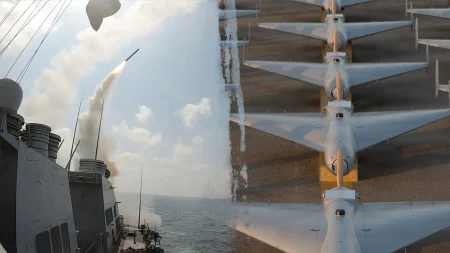
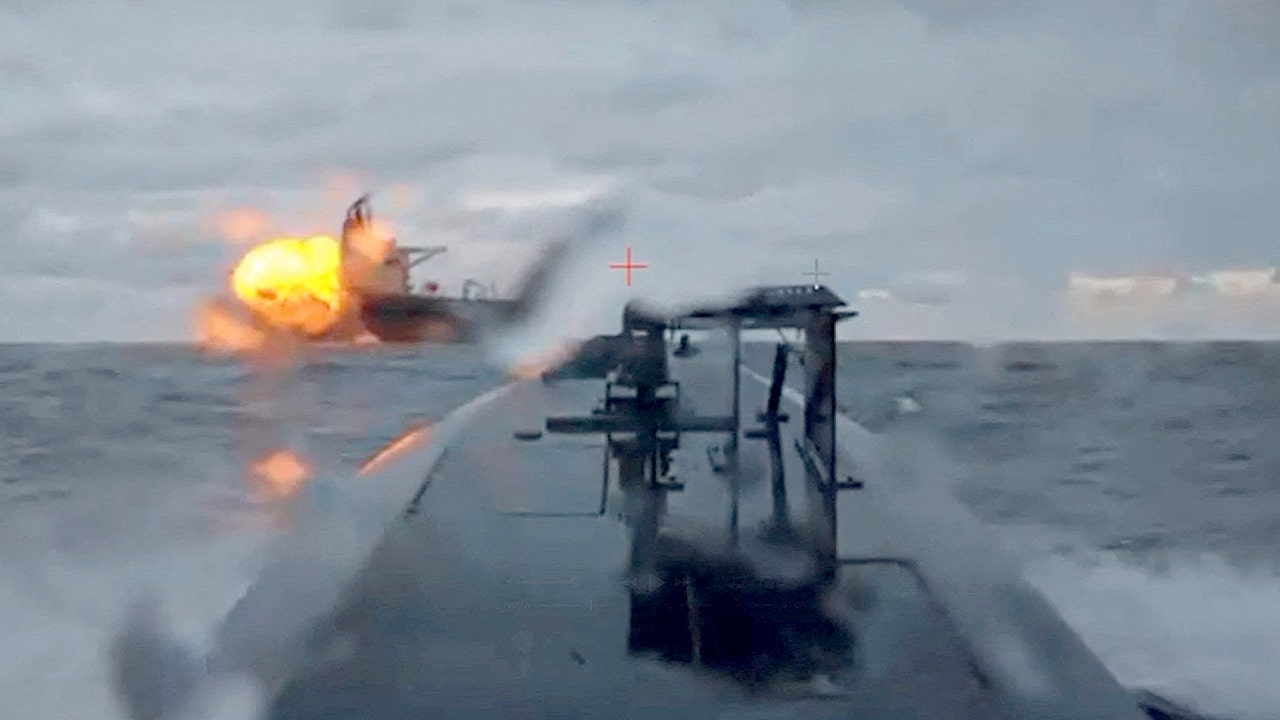
Meanwhile, Ukraine has launched its own campaign against the shadow fleet operating in the Black Sea, targeting multiple tankers with naval drone strikes. These operations appear strategically calculated to minimize environmental impact while disrupting Russian oil export capabilities. “The three tankers that have been targeted by Ukraine are all in ballast, which means that they weren’t carrying oil,” Bockmann observed, suggesting a deliberate choice to avoid causing ecological damage. The vessels were also found to be falsely flagged—in this case, flying the flag of Gambia—similar to how the Skipper seized by the US was falsely registered under Guyana’s flag. These parallel efforts by the US and Ukraine represent a significant shift in strategy against sanctions evasion, moving from primarily financial and diplomatic pressure to direct maritime interdiction.
The risks posed by this dark fleet extend well beyond sanctions evasion. The vessels’ poor maintenance and lack of proper certification create serious safety hazards for their crews and the maritime environment. Without legitimate registration, these ships lack proper insurance coverage, meaning any accidents—from collisions to oil spills—would have no financial backstop for cleanup or damages. “This is a huge issue for maritime safety, it’s a menace to the environment, and it entails crew welfare,” explained Bockmann. The aging condition of these vessels compounds these concerns; many are well past their intended service life but continue operating due to the lucrative nature of sanctions evasion. A single accident involving one of these tankers could result in an environmental catastrophe costing billions to remediate and causing incalculable ecological damage.
The emergence of coordinated action against the dark fleet signals a new chapter in sanctions enforcement and maritime security. Both the United States and Ukraine appear to be moving toward a more aggressive posture in dealing with these vessels, recognizing them as critical infrastructure supporting adversarial regimes. “There is a new strategy to deal with this dark fleet, which is the lifeline of sanctioned oil revenues, and now under attack by the U.S. and Ukraine,” Bockmann noted. This shift represents a recognition that traditional sanctions alone have proven insufficient to halt the flow of oil revenue to targeted regimes. By directly interdicting vessels through legal means or disabling them through military action, these nations are attempting to cut off what Bockmann describes as the “dangerous” practice that “could be interpreted as a form of gray-zone aggression in order to continue to keep oil revenue flowing.” The success of these efforts may determine whether the dark fleet continues to grow or begins to recede from international waters, with significant implications for global security, environmental protection, and the effectiveness of sanctions as a foreign policy tool.