



Imagine stepping into the bustling corridors of the United Nations headquarters in New York, where diplomats from around the globe gather like actors on a grand stage, each with their scripts of diplomacy and power plays. It’s Wednesday, and the United Nations Security Council is set for a high-stakes gathering, not just any meeting, but one that’s been hastily rearranged due to a scheduling clash. Originally slated for Thursday, this monthly Middle East session got bumped up, thanks to President Donald Trump’s announcement that his shiny new Board of Peace would convene the same day. You can picture the scene: harried aides scrambling with calendars, ambassadors checking flights, and the undercurrent of tension as geopolitical chess pieces like Israel, Gaza, and the West Bank dominate the agenda. The fragile ceasefire in Gaza hangs by a thread, while Israel’s operations in the West Bank are expanding, drawing eyes and ire from international observers. This meeting isn’t just about talk; it’s about action in a region where every word echoes like gunfire. As officials arrive, from the UK foreign minister to representatives from Jordan and Egypt, there’s a sense that old alliances might bend or break under the weight of Trump’s bold moves. It’s a reminder that in international relations, timing isn’t just everything—it’s the heartbeat of diplomacy, and right now, it’s racing against the clock. Yet, amid the suits and serious faces, there’s a human element too: parents worrying about their families back home, leaders balancing national pride with global expectations, all trying to navigate a path toward peace in a land scarred by conflict. This shift in schedule, prompted by Trump’s announcement, underscores how one man’s vision can ripple across the world, forcing nations to adapt or be left behind in the pursuit of stability.
Delving deeper into the meeting’s preparation, a group of Arab and Islamic nations took the initiative last week, calling for this urgent session to spotlight the deteriorating situation in Gaza and Israel’s growing settlements in the West Bank. It’s not hard to imagine the scenes in capitals across the Middle East: passionate conversations in ornate meeting rooms, where leaders weigh the costs of inaction versus bold stances. Jordan, Egypt, and Indonesia’s ministers are gearing up to attend, alongside their Israeli counterpart, painting a picture of unlikely bedfellows sharing the same diplomatic table. This gathering, involving the full 15-member Security Council, feels like a family therapy session where everyone has grievances but must pretend to play nice for the greater good. The air in New York might be crisp, but the tensions imported from the region are palpable—years of displacement, lost lives, and unfulfilled promises creating a backdrop that’s anything but neutral. As these leaders prepare to speak, you’re reminded of the human stories at the heart of it all: farmers in the West Bank watching their land shrink, families in Gaza rationing hope, and everyday people on both sides yearning for a semblance of normalcy. The meeting’s relocation highlights how personal ambitions, like Trump’s global outreach, can intersect with collective crises, turning what was meant to be routine into something extraordinary. It’s a testament to the fragility of international unity, where a mere change in dates can symbolize deeper drifts and desperate attempts to steer the ship before it hits the rocks. Yet, there’s optimism in the air—perhaps this convergence of minds will spark solutions, bridging divides that have festered for generations.
Now, shifting gears to the charismatic force behind the upheaval, President Donald Trump took center stage on Monday with a proclamation that could redefine the region’s fate. Announcing phase two of his Gaza plan, he revealed that members of his newly formed Board of Peace have committed over $5 billion in humanitarian aid and reconstruction for the battered enclave. Think of it as a wealthy philanthropist throwing open his wallet at a charity gala, but with global stakes: countries pledging not just money, but boots on the ground—thousands of personnel for an international stabilization force to keep the peace, alongside local policing to ensure security sticks. Trump framed this as more than aid; it was a blueprint for demilitarization, insisting that Hamas must fully disarm to pave the way for lasting stability. In his words, it was a chorus of commitment, echoing across boardrooms and banquet halls. Humanizing this moment, imagine the determination in Trump’s eyes as he rallies nations, perhaps drawing from his past deals, where big promises met even bigger expectations. But beneath the pomp, there are real people counting on this—refugees rebuilding homes, children dreaming of playgrounds instead of rubble. Trump’s initiative isn’t just policy; it’s a gamble on humanity’s better angels, pushing for a region where war’s shadow lifts and prosperity blooms. As he outlined the plan, the weight of history pressed on: previous ceasefires faltered, promises went unmet, yet here was a bold reset. It’s a reminder that true change requires not just dollars, but the unwavering resolve of leaders willing to see beyond borders, investing in a future where neighbors become partners in peace.
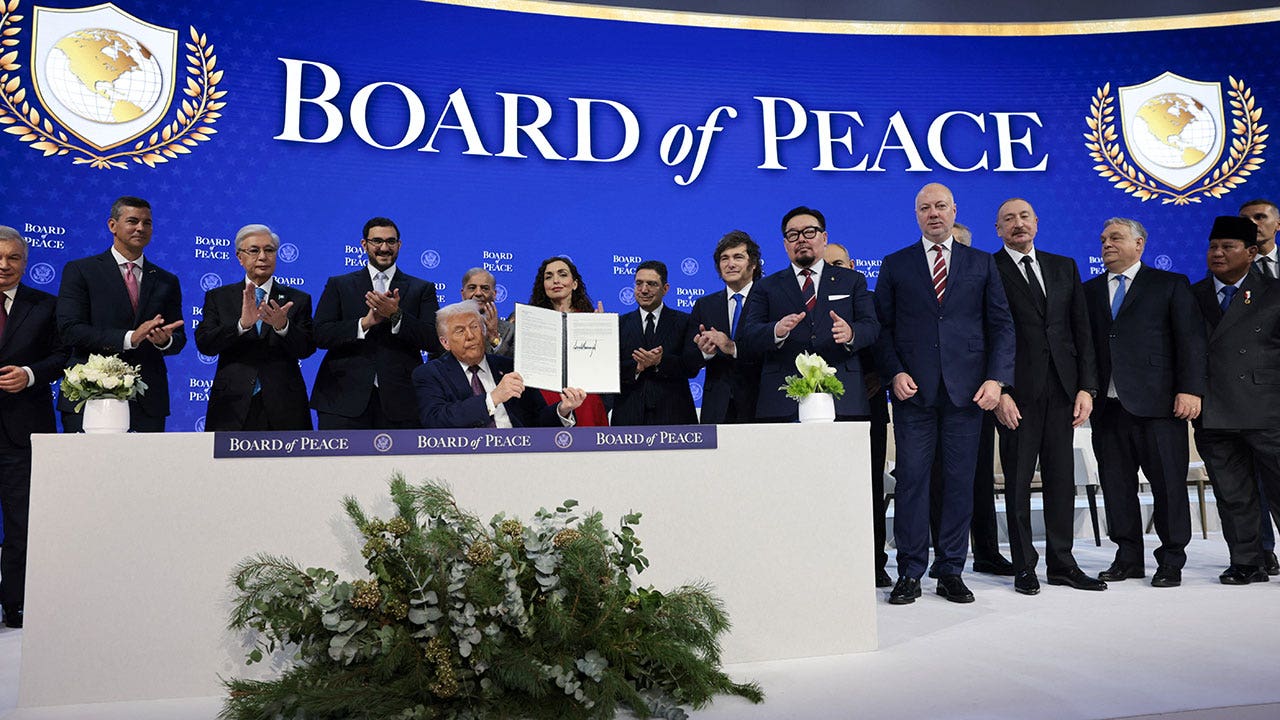
The Board of Peace itself has a story worth telling, a network spun from Trump’s vision and now gaining momentum. Israel officially joined on February 11, with Prime Minister Benjamin Netanyahu initially absent from the glittering Davos ceremony in late January, where 17 countries—led by presidents and officials from Latin America, Europe, the Middle East, and Southeast Asia—signed the founding charter alongside Trump. Netanyahu, ever the strategic thinker, had hesitated, voicing concerns about the board’s makeup, especially the inclusion of Qatar and Turkey. Yet, after discussions, he signed on, aligning with Trump’s framework. Picture the Swiss snow outside the conference halls, a stark contrast to the warm debates inside, where handshakes sealed destinies. This board isn’t just a club; it’s a living ecosystem of diplomacy, where leaders share burdens and brainstorming solutions over coffee and briefings. For Netanyahu, joining meant overcoming reservations, a personal pivot from skepticism to support, driven by a desire to secure Israel’s interests in a chaotic world. As the charter was forged, there was a sense of camaraderie as diverse nations—from bustling Asian capitals to European seats of power—dreamed of a Gaza transformed, not through force, but through collective will. It’s human in its ambition: men and women, shaped by their cultures and histories, coming together to write a new chapter for a place that’s seen too many tragedies. The board represents hope’s persistence, a refusal to let division dictate the future, and a belief that through cooperation, even the most entrenched conflicts can yield to innovation and unity.
Expanding the circle, Trump extended invitations to additional countries, creating a mosaic of global participation that’s both inclusive and selective. Russia, Belarus, France, Germany, Vietnam, Finland, Ukraine, Ireland, Greece, and even China were invited to join this peace-building consortium, each bringing their unique perspectives and potential risks. Poland and Italy, however, politely declined, citing perhaps their own domestic agendas or reservations about the group’s dynamics. It’s akin to assembling a global family reunion, where not everyone shows up, but those who do enrich the gathering with their stories and strengths. Imagine the conversations behind closed doors: Russian delegates weighing their influence, Ukrainian voices echoing resilience, Greek officials drawing on ancient tales of diplomacy. This inclusivity humanizes the initiative, turning cold geopolitics into a tapestry of human narratives—ambassadors sharing laughs, debating strategies, and forging friendships amid the formality. For instance, a Finnish envoy might recall their nation’s journey from cautious neutrality to active partnership, while a Vietnamese representative brings echoes of unified efforts post-conflict. China’s presence adds layers of complexity, a major player navigating alliances with a keen eye on regional stability. Those who opted out, like Poland and Italy, do so with respect, choosing their paths in a world that demands choices. Ultimately, this board isn’t monolithic; it’s a dynamic blend of acceptance and exclusion, where the invited nations contribute to a vision of Gaza reborn, proving that peace can be as multifaceted as the people championing it.
Tying it all together, this whirlwind of diplomatic maneuvers points to a pivotal moment in global affairs, where personal leadership and collective action intersect to challenge longstanding divides. Trump’s envoy has warned Hamas of severe repercussions if they fail to comply with demilitarization, underscoring that this isn’t mere window-dressing—consequences loom for non-compliance. As the UN meeting unfolds and the Board of Peace takes shape, ordinary lives hang in the balance: a Palestinian seamstress hoping for economic revival, an Israeli soldier dreaming of peace, a Trump aide pouring over plans late into the night. It’s a story of resilience amid chaos, where summits and pledges are the raw materials for change. Humanizing these events, we see not just headlines, but the quiet determination of families longing for security, the ambitious dreams of leaders betting on progress, and the unyielding spirit that drives humanity toward harmony. With billions pledged and forces mobilized, there’s a tangible shift—a possibility that through this bold approach, Gaza could emerge from the ashes, not as a battleground, but as a beacon of cooperation. Yet, skepticism lingers; past efforts have faltered, and Hamas’s resistance remains a formidable hurdle. Still, in the hearts of those involved, there’s an unbreakable faith that dialogue, backed by action, can bridge divides forged in ages of strife. This is diplomacy at its most human: flawed, fervent, and forever hopeful.