





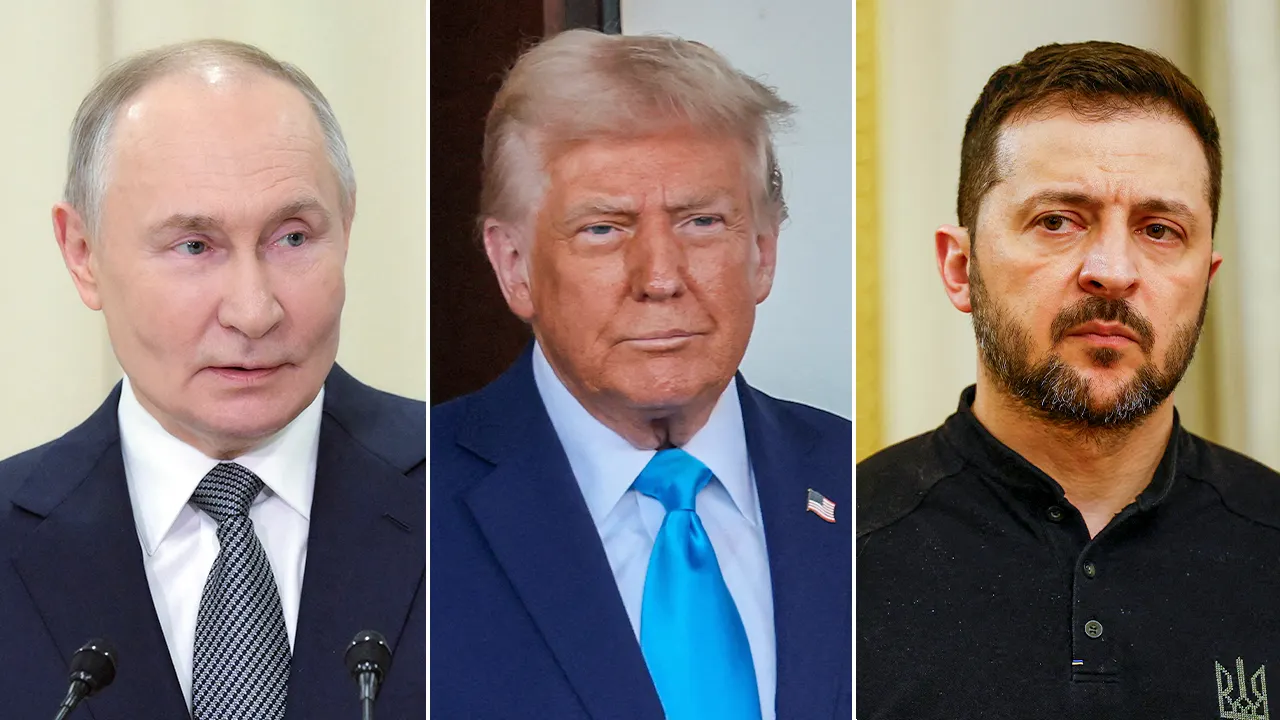
Ukraine and U.S. Near Agreement on Peace Framework as Russia Signals Resistance
Ukraine and the United States are approaching finalization of a comprehensive security and economic framework tied to a proposed peace plan, according to Ukrainian President Volodymyr Zelenskyy. Speaking at a press conference in Kyiv on December 22, Zelenskyy revealed that discussions with U.S. officials have produced a 20-point plan with accompanying documents that include security guarantees involving Ukraine, the United States, and European partners. While acknowledging that the framework isn’t perfect, he characterized it as a significant step forward in the peace process. The plan includes a separate bilateral document with Washington covering security guarantees intended for U.S. Congressional review, with Zelenskyy noting that approximately 90% of the critical military-related annexes important to Ukraine have been agreed upon. This represents substantial progress in diplomatic efforts to establish a foundation for ending the conflict that has devastated Ukraine since Russia’s invasion.
Despite this diplomatic progress, Zelenskyy emphasized that the immediate military threat from Russia remains unchanged. He expressed concern over Moscow’s rejection of a Christmas ceasefire proposal, describing it as a “bad signal” that suggests possible attacks during the holiday period. “When Russia says there will be no Christmas ceasefire, I think that this is, in principle, always what they say, they emphasize intimidation,” Zelenskyy stated. He also highlighted Ukraine’s continuing air-defense shortfall and urged civilians to remain vigilant. In a concerning development, Zelenskyy confirmed that Russian forces had captured a border village in Ukraine’s Sumy region, taking dozens of civilians and 13 Ukrainian soldiers prisoner. According to the Ukrainian president, his forces refrained from striking the Russian troops because civilians were present, underscoring the complex humanitarian considerations that continue to affect military decisions on the ground.
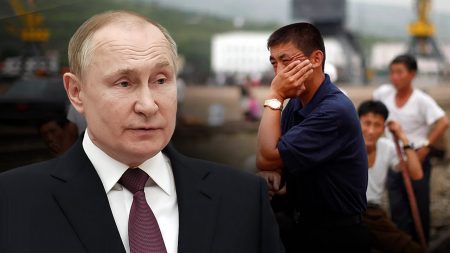
The Kremlin has acknowledged awareness of the U.S. peace proposals, stating that President Vladimir Putin has been briefed on the framework and that Moscow will formulate its official position in the coming days. However, early indications suggest significant resistance from Russia to the current version of the plan. Bloomberg News reported that Moscow views the 20-point agreement between Ukraine and the U.S. as merely a starting point for negotiations rather than a near-final document. According to a source close to the Kremlin, Russia intends to seek substantial changes to the framework, including additional restrictions on Ukraine’s military capabilities. The Russian side has reportedly argued that the current proposal lacks provisions they consider essential and leaves many critical questions unanswered, suggesting a potentially difficult path ahead for reaching consensus on terms acceptable to all parties.
The emerging diplomatic landscape reflects a widening gap between Ukraine’s characterization of progress and Russia’s apparent determination to fundamentally reshape key elements of the U.S.-backed plan. Zelenskyy’s announcement that a first version of an agreement on Ukraine’s recovery has been prepared demonstrates Kyiv’s focus on establishing a comprehensive approach that addresses both immediate security concerns and longer-term reconstruction needs. He described this economic strategy as forming, together with the security documents, “the basic block of all documents” necessary for a sustainable peace. This dual-track approach acknowledges the interconnected nature of Ukraine’s security guarantees and economic recovery, recognizing that lasting stability will require addressing both military threats and the enormous economic damage caused by the war.
The United States appears to be playing a central mediating role in the process, working to craft a framework that can potentially satisfy Ukraine’s security requirements while providing a basis for eventual Russian agreement. The fact that approximately 90% of the military-related attachments critical to Ukraine have been agreed upon in the bilateral document with Washington suggests significant progress in defining concrete security guarantees. These guarantees likely include provisions for continued military support, intelligence sharing, and defense cooperation that would help Ukraine maintain its sovereignty in the face of potential future threats. However, the reported Russian intention to seek additional restrictions on Ukraine’s military capabilities highlights a fundamental tension at the heart of any potential agreement: Ukraine’s desire for robust security guarantees versus Russia’s apparent aim to limit Ukraine’s defensive capabilities.
As diplomatic efforts continue, the practical realities on the battlefield and the suffering of Ukrainian civilians remain stark reminders of what’s at stake. Zelenskyy’s warning about the continued military threat and the capture of Ukrainian soldiers and civilians in the Sumy region illustrate that diplomatic progress has not yet translated into reduced violence. The contrasting positions of Kyiv and Moscow on the emerging peace framework underscore the challenging road ahead, with significant gaps to bridge before any lasting resolution can be achieved. For ordinary Ukrainians facing another winter of war, the hope represented by diplomatic progress must be balanced against the continued reality of conflict and destruction. As international partners continue their efforts to facilitate a resolution, the fundamental question remains whether Russia’s apparent desire for substantial changes to the current framework signals a genuine interest in negotiation or merely represents a tactical delay as military operations continue.