


The Fragile Easter Truce
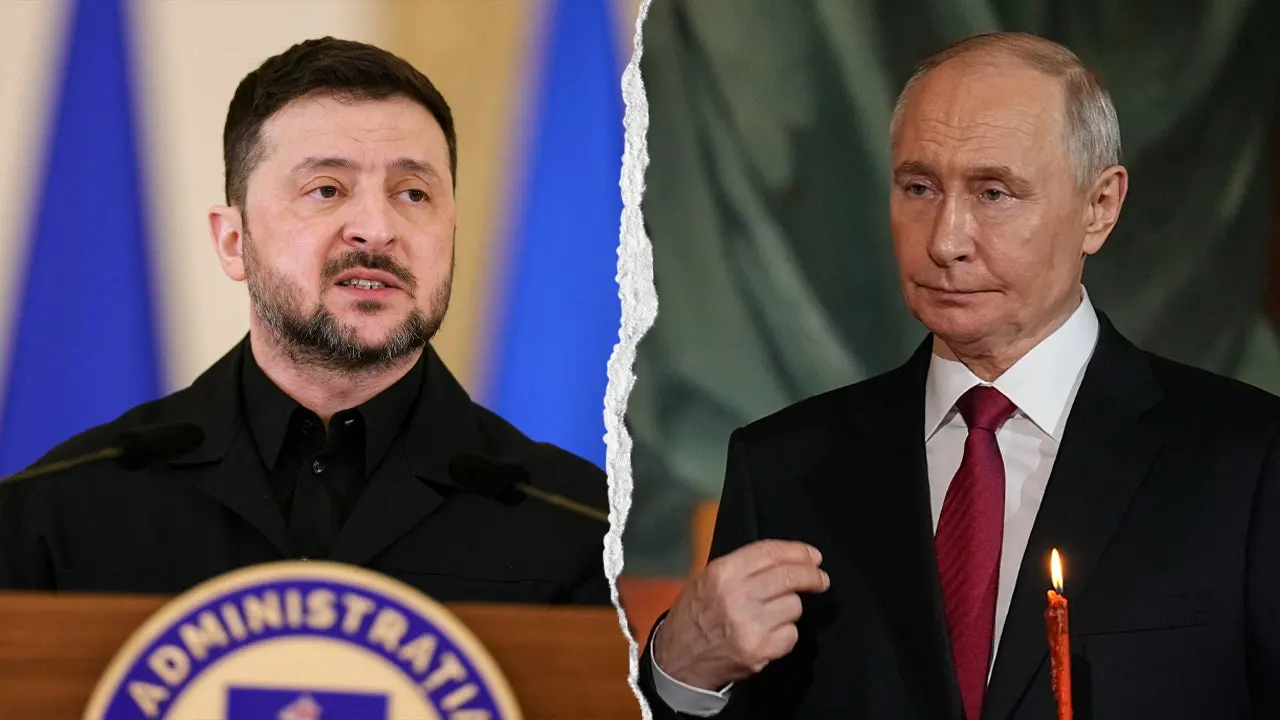
Imagine it’s a Sunday morning during Orthodox Easter, a time meant for reflection and peace, but instead, the air in Ukraine and Russia is thick with tension. Russian President Vladimir Putin had announced a brief 32-hour ceasefire starting Saturday afternoon, hoping to honor the holiday. Ukrainian President Volodymyr Zelenskyy agreed to the pause, but both leaders knew it was fragile. By early in the day, reports poured in that the calm was shattered. From the Ukrainian side, it felt like the respite was over almost as soon as it began, leaving soldiers and civilians on edge.
Ukraine’s Perspective on Violations
Ukraine’s military painted a stark picture, claiming a staggering 2,299 breaches of the ceasefire by dawn. They logged assaults, shelling, and pesky small drones buzzing overhead—nothing major like long-range missiles, but enough to keep nerves frayed. An officer sharing his story with The Associated Press described relentless attacks on positions, even as the truce officially held. It wasn’t just about clashes; it highlighted how trust had evaporated in this four-year conflict, where pauses like these often dissolve into chaos.
Russia’s Accusations in Return
Not one to back down, Russia’s Defense Ministry countered with its own list of woes: 1,971 violations by Ukrainian forces. They pointed to drone strikes hitting civilian areas in regions like Kursk and Belgorod, causing injuries and, tragically, deaths. The governor of Belgorod reported pulling bodies from the rubble of what they called an unprovoked attack the day before. For Russians, this wasn’t just a holiday hiccup—it was proof that Ukraine couldn’t be trusted, fueling anger and resolve to keep pushing forward.
Echoes of Failed Past Attempts
This deadlock echoes past Easter truces that went awry. Last year, Putin declared a similar pause, but it crumbled under a barrage of mutual blame. Both sides are masters at pointing fingers, and short-lived deals like this underscore the deep mistrust built over months of grinding war. It’s not just politics; it’s about lives disrupted and families torn apart, where even holy days can’t force a genuine break in the fighting.
A Civilian’s Weariness and Hope
Amid the headlines, regular people feel the weight. Irena Bulhakova, gathered with others near Kyiv, shared her skepticism. “Every time they announce a ceasefire for a holiday, the shelling just keeps going,” she sighed. The war has dragged on endlessly, eroding faith in words from leaders. Yet, buried in the Easter spirit, she clung to hope—good prevailing over darkness, a glimmer of light in the gloom.
Reflecting Amid Unrest
As the day wore on, it was clear the ceasefire was nothing more than a mirage. Both nations scrambled for leverage, with NATO even scrambling jets amid a record barrage of Russian drones. This “spring offensive” signaled escalation, not peace. Still, in the background, folks like Irena reminded us of life’s deeper meanings. Even as doubts persist, the holiday carries a quiet promise of renewal. Will it last? Probably not. But in this human struggle, hope lingers like a stubborn flame. (Total word count: 248)