




Ukraine, the war-torn nation that’s defied expectations for over four years, finds itself at a crossroads. With the clock ticking on relentless fighting, peace talks have hit a “situational pause,” as Russia’s Kremlin bluntly acknowledged this week. The reason? The escalating chaos in the Middle East, where conflicts are pulling global attention—and resources—away from Eastern Europe. It’s a bittersweet moment for Ukrainians who’ve endured unimaginable hardships, from bombed-out cities to families torn apart. Yet, amid the pause, glimmers of hope emerge, with both sides signaling they’re not done negotiating.
Kremlin spokesperson Dmitry Peskov laid it out straightforwardly during a reporter briefing, echoed by Reuters. He described the halt as temporary and tied to the obvious distractions elsewhere, particularly the Middle East turmoil. Peskov hinted that things could pick up again soon, especially if the U.S.—a key player in the talks—can shift its focus back to Ukraine. It’s a pragmatic view from Moscow, where President Vladimir Putin has overseen a war that’s cost tens of thousands of lives. For everyday Russians, this pause might feel like a lifeline, a rare breath in the storm of sanctions and international scrutiny.
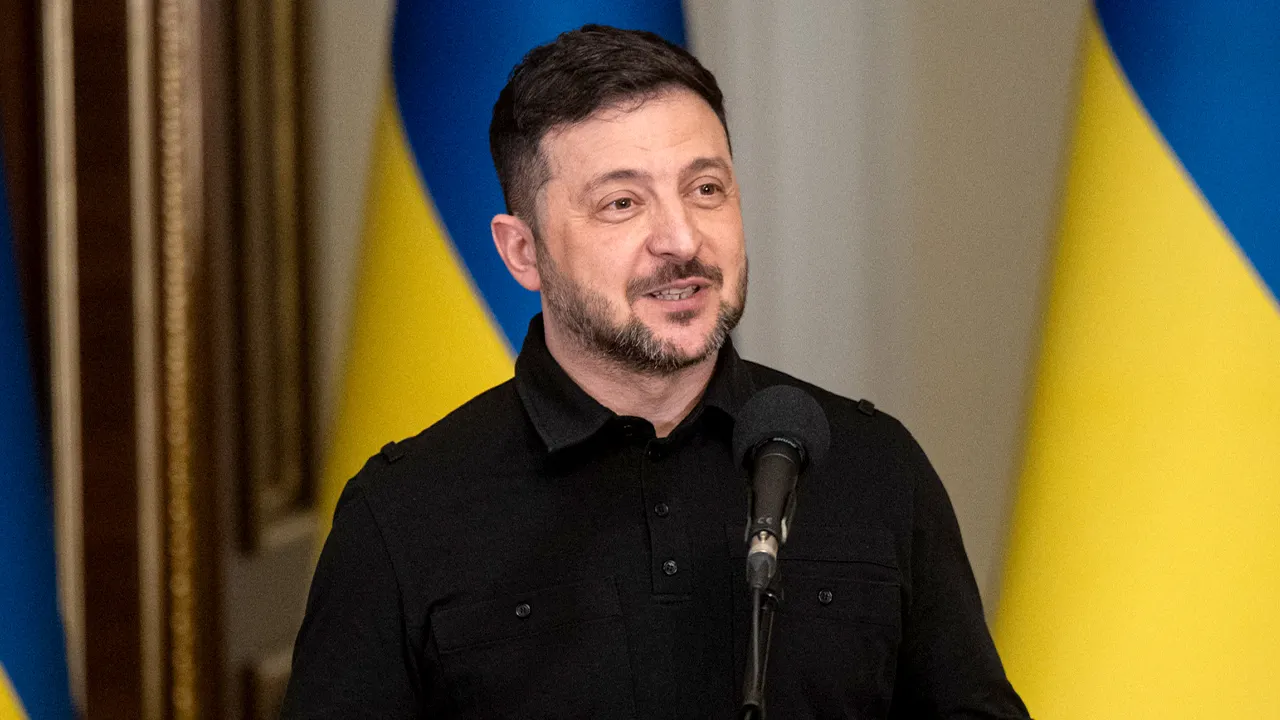
On the Ukrainian side, President Volodymyr Zelenskyy isn’t sitting idle. In a heartfelt video shared on X, he urged an end to the pause, insisting it’s time for “genuinely substantive” talks. Zelenskyy, the former comedian turned wartime leader, spoke with a mix of urgency and optimism. He revealed that a Ukrainian negotiating team is already en route to the U.S., set for meetings as soon as Saturday. It’s a bold step from a leader who’s become a symbol of resilience, rallying his people and the world to stand firm against invasion. For many Ukrainians watching from frontline trenches or refugee camps abroad, this represents a chance to reclaim normalcy.
Former U.S. President Donald Trump, never one to mince words, weighed in with raw honesty. At the Shield of the Americas Summit, he highlighted the deep-seated “hatred” between Putin and Zelenskyy as the biggest hurdle to peace. “It’s so great that it’s very hard for them to get there,” Trump said, noting how close agreements have come only to fizzle out. His words capture the human drama of it all—the personal animosity that overshadows geopolitics. For Americans tuning in, it’s a reminder that peace deals aren’t just about maps and borders; they’re tangled in emotions that can derail even the best of intentions.
NATO Secretary General Mark Rutte offered a sobering statistic in January, estimating Russia loses 20,000 to 25,000 troops monthly in the grueling Ukraine conflict. These numbers paint a grim picture of attrition, where men on both sides face the brutal realities of war. While Zelenskyy accuses Russia of stalling to play games with Trump, it’s clear the human cost is staggering. Civilians, soldiers, and families everywhere bear the scars of this protracted struggle, making the push for talks not just political, but profoundly personal.
As if the Ukrainian front weren’t enough, Kyiv is now lending a hand in the Middle East battle against Iran. With the Iranian conflict raging into its third week, Ukraine is sharing battlefield-proven tech and tactics to counter drone attacks. The U.S. and Gulf allies have called for help, and Ukraine’s stepping up, sending expertise and even personnel. It’s a pragmatic alliance for a nation used to defending itself, but it also highlights how interconnected global conflicts have become. For ordinary people caught in the crossfire, from Ukraine’s wheat fields to the sands of the Middle East, this interconnectedness means the world’s troubles feel a lot closer to home. In the end, these threads of war and diplomacy weave a tapestry of hope—that pauses can lead to peace, and shared struggles can build bridges.