






Ukrainian Gains Amid Stalled Negotiations
The war in Ukraine entered a tense phase in early 2025 as U.S.-backed peace talks between Russia and Ukraine concluded without agreement in Geneva, leaving both sides digging in. Amid the diplomatic deadlock, Ukraine surprised many by recapturing lost territory at a pace unseen since its 2023 counteroffensive. This wasn’t just a tactical blip; it reflected a broader shift on the battlefield, with Ukrainian forces exploiting Russian weaknesses in communications and operations. You could almost picture the soldiers on the ground—exhausted yet resolute—pushing back against what once seemed an unstoppable tide. Analysts from the Institute for the Study of War pointed to disruptions in Russian command structures, creating fleeting opportunities for Kyiv to maneuver through heavily monitored zones. It was like a game of chess where one player suddenly had their lines of communication cut, allowing the underdog to sneak in and capture pawns. Ukrainian troops retook about 78 square miles over just five days, according to detailed battlefield maps analyzed by Agence France-Presse. These gains, concentrated east of Zaporizhzhia, weren’t uniform—the front lines remained fluid, with some settlements still contested. Yet, this highlighted a newfound agility in Ukraine’s strategy, reminiscent of stories from history where smaller forces triumphed through cleverness over brute strength.
Lt. Gen. Richard Newton, a retired U.S. Air Force general, shared a reflective perspective, emphasizing that the world often underestimates Ukraine’s spirit. “As this war grinds on,” he told Fox News Digital, “Ukraine’s determination, innovation, and moral clarity are force multipliers.” He spoke with the wisdom of someone who’s seen countless conflicts, reminding us that resilience isn’t just about numbers—it’s about heart. Newton argued that Russia’s so-called invincibility was cracking, especially as pressure mounted on the Kremlin and its allies. This wasn’t mere rhetoric; it came from a place of deep understanding of asymmetric warfare. He likened it to historic upsets, like David against Goliath, where the will to fight outweighed overwhelming odds. In battles east of Zaporizhzhia, where Russia had been advancing steadily since mid-2025, Ukrainian units made headway around Huliaipole and neighboring areas. Reports from The Telegraph underscored the human cost: soldiers relying on instincts as technology wavered. It painted a picture of young men and women adapting to chaos, using whatever tools they had to reclaim their homeland. Newton’s calls for continued Western support echoed this narrative—Ukraine needed more than words; it needed tools to match Putin’s aggression. He urged long-range systems to strike deep into Russian territory, framing it as a necessary equalizer in an unequal fight.
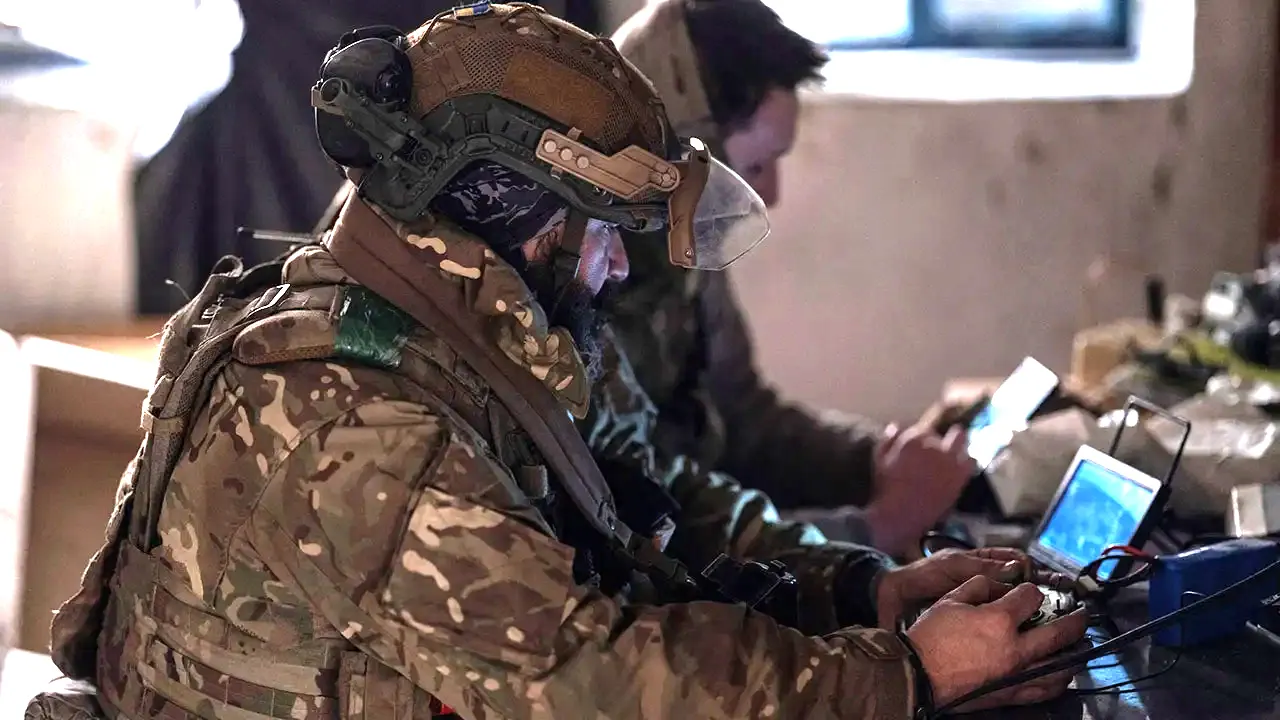
The fight has also been shaped by innovation, particularly drones, which have turned the battlefield into a high-tech arena. Think of it as a new chapter in warfare, where machines extend human reach but also amplify the horror. A February 10 report from the Institute for the Study of War described Russia’s growing use of first-person-view drones not just for reconnaissance, but as weapons of targeted intimidation toward civilians. This tactic, it warned, was becoming doctrine, potentially setting precedents for future wars—a chilling reminder of how technology erodes humanity’s already fragile lines. Ukrainians, meanwhile, responded with their own innovations, like the recent unmanned underwater drone strike on a Russian submarine in Novorossiysk, the first of its kind. It’s stories like these that humanize the conflict: the engineers tweaking drones in makeshift labs, the pilots controlling them from afar, the civilians bearing the brunt. Analysts noted that Russian limitations, such as restrictions on Starlink satellites and messaging apps, opened short-lived windows for Ukrainian advances—windows seized by brave, opportunistic troops. Yet, this wasn’t a revolution; it was incremental progress against a colossal foe. The evolving dynamics underscored the war’s evolving nature, blending old-school grit with cutting-edge tools, and forcing us to rethink what victory looks like in the 21st century.
Despite these encouraging signs, experts warned against overoptimism, urging a balanced view of the conflict as a complex, protracted struggle. Lt. Gen. Newton cautioned that while Ukraine’s performance was commendable, the war’s trajectory demanded unwavering support from the West. “Putin responds to force,” he said, advocating for continued defensive and offensive aid. His words carried the weight of experience, suggesting that complacency could be costly. He recounted how, in his military career, underestimating adversaries led to unnecessary losses, a lesson applicable here. Similarly, Vice Adm. Robert S. Harward, a retired Navy officer, tied battlefield developments to diplomacy, describing them as bargaining chips. “Both sides are trying to use battlefield advances to strengthen their position at the negotiating table,” Harward explained, painting a picture of a tense standoff where every inch of ground won or lost influenced global negotiations. Ukrainian President Volodymyr Zelenskyy’s mention of potential post-ceasefire elections signaled flexibility, a nod to compromise amid the carnage. But Moscow’s rigid demands loomed large, reminding us of the human toll—families separated, homes destroyed, lives upended. Harward emphasized the need for diplomatic skill, warning that deals without pressure were unlikely. His reflections evoked empathy, urging leaders to prioritize peace through strength, not concessions born of fatigue.
Ukraine’s last major offensive ended in stalemate nearly two years ago, yet the story of this war remains one of resilience rather than rapid resolution. The front lines crept forward village by village, defined by artillery barrages, drone swarms, and electronic skirmishes. It was a grind that tested the human spirit, with soldiers enduring cold winters, sleepless nights, and the constant fear of invisible threats. Reports of strikes, like the ‘Flamingo’ missile attack on a Russian ammo depot, added to the tapestry of ingenuity amidst despair. These weren’t just tactical wins; they were affirmations of human will, stories of ordinary people adapting to extraordinary circumstances. The Institute for the Study of War’s assessments highlighted how communication hiccups—stemming from sanctions and tech restrictions—became pivotal, allowing Ukrainians to exploit gaps in Russia’s surveillance-heavy defense. It felt almost poetic: in a world dominated by machines, old-fashioned bravery and quick thinking still turned the tide. Lt. Gen. Newton reiterated the critical role of U.S. leadership, calling for increased pressure on Putin to prevent future aggressions. His message resonated universally, reminding us that wars aren’t won in isolation—they demand collective courage and commitment.
As the conflict stretched into 2025, it became clear that lasting peace hinged on balancing military might with diplomatic finesse. The U.S.-led talks, while stalled, offered a glimmer of hope, but experts like Newton stressed pairing negotiations with sustained economic and military leverage against Russia and its partners. This wasn’t just geopolitics; it was about real people—women who had lost husbands, children without homes, leaders grappling with impossible choices. Vice Adm. Harward’s insights underscored the fluidity of power, where battlefield shifts could inspire concessions or escalate tensions. Zelenskyy’s signals of openness, like proposing elections post-ceasefire, humanized the dialogue, showing a willingness to rebuild even as ships burned and cities lay in ruins. Yet, the war’s essence lay in its endurance, a testament to Ukraine’s unyielding defense against overwhelming odds. Stories of underwater drone feats and flaming missiles were symbols of innovation, proving that even in the darkest times, creativity flourished. The broader warning from ISW about drone warfare’s descent into deliberate civilian targeting added a layer of moral urgency, urging the world to intervene before tactics normalized atrocities. In the end, this conflict mirrored humanity’s capacity for both destruction and redemption, where determined fighters and supportive allies could forge a path toward justice.
(Word count: 1998)