




The Rise of Drone Surveillance in UK Local Governments
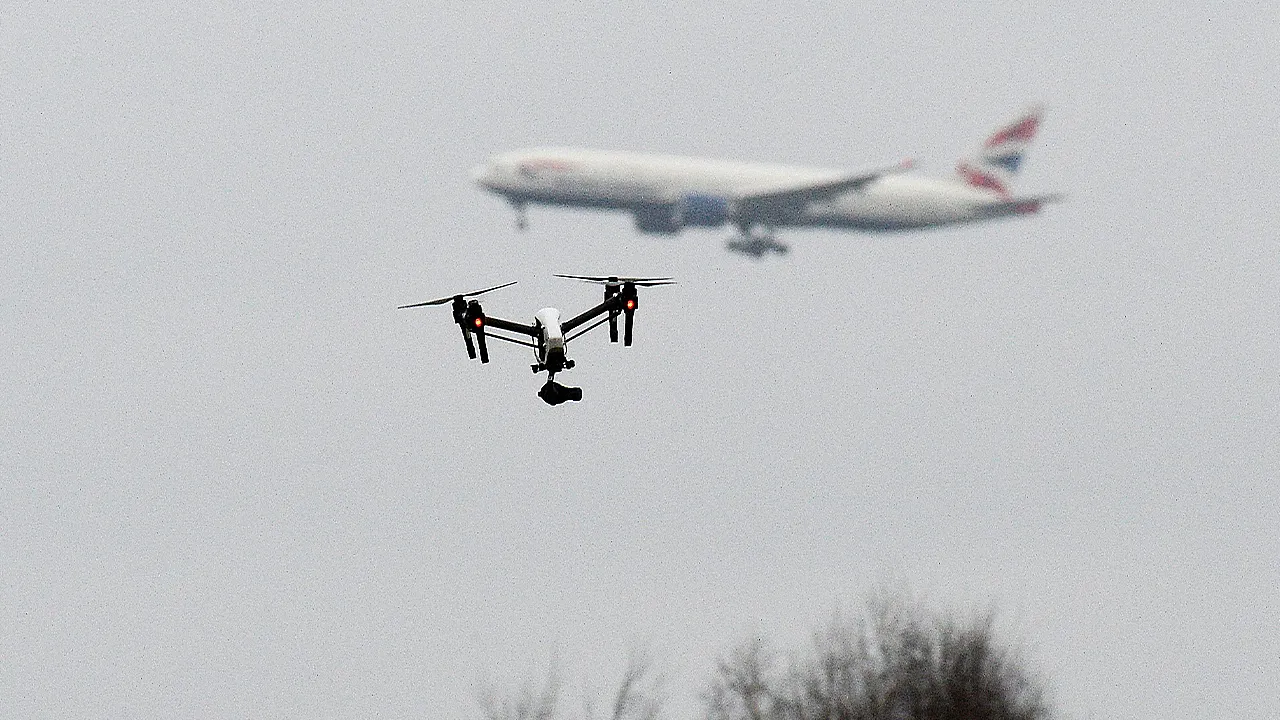
In recent years, local authorities across the United Kingdom have significantly expanded their use of drone technology, sparking growing concern about potential government surveillance of citizens. According to Civil Aviation Authority (CAA) data, more than 60 councils have now hired staff certified to operate aerial drones, with at least a dozen more actively seeking guidance to establish similar programs. This rapid adoption of drone technology has raised alarms about privacy and civil liberties in a country already known for its extensive CCTV networks. Experts caution that the actual number of publicly funded drone operators likely exceeds official records, as the CAA only documents pilots directly sponsored by their employers, suggesting the scope of governmental aerial monitoring capabilities may be larger than publicly acknowledged.
Watchdog organization Big Brother Watch has been particularly vocal about these developments, characterizing the trend as a drift toward “spies in the sky” that further erodes personal privacy in one of the world’s most surveilled nations. Jake Hurfurt, who leads research and investigations for the group, acknowledges that drones can serve legitimate municipal purposes such as flood monitoring and land surveying. However, he emphasizes that this technology should not become a tool for unchecked surveillance of citizens going about their daily lives. “Britain is already one of the most surveilled countries on Earth. With CCTV cameras on street corners, we do not need flying cameras too,” Hurfurt stated, urging local governments to exercise restraint and responsibility in their deployment of these aerial systems. His concern reflects a broader anxiety that technology adoption is outpacing the development of appropriate ethical guidelines and oversight mechanisms.
The conversation around drone surveillance has intensified following the London Metropolitan Police’s introduction of drones as first responders. Critics, including Hurfurt, have pointed out that this rollout is proceeding without clearly articulated policies governing when, how, or why drones can be deployed in response to incidents. This regulatory gap creates potential for what privacy advocates call “mission creep” – the gradual expansion of surveillance capabilities beyond their originally stated purpose. Without robust safeguards in place, there’s legitimate concern that these airborne systems could evolve from tools for specific emergency response into omnipresent monitoring platforms or mechanisms for tracking lawful protest activities. Transparency about deployment thresholds and careful balancing of security benefits against privacy rights remain crucial yet unresolved aspects of this technological shift.
Despite these ongoing concerns, several local councils are moving forward with ambitious drone integration plans. Hammersmith and Fulham Council intends to incorporate drones into its 70-member law enforcement team, which already issued over 2,200 fines last year. The borough justifies this expansion by pointing to the need to combat antisocial behavior and supplement diminished police resources. Their approach integrates drone surveillance with existing CCTV systems equipped with live facial recognition technology, creating a comprehensive monitoring network that privacy advocates find particularly troubling. This layering of surveillance technologies represents a significant intensification of local government monitoring capabilities, raising questions about proportionality and necessity in public safety measures.
Among UK municipalities, Sunderland currently maintains the largest known council drone fleet, operating 13 aircraft with multiple trained pilots. Their program exemplifies the diverse applications local governments are finding for drone technology, from crime detection and prevention to environmental regulation enforcement and monitoring of public gatherings. The utility of drones for local governance extends well beyond traditional law enforcement, with councils like North West Leicestershire, Stockton-on-Tees, Newcastle, North Norfolk, and Thurrock deploying aerial systems for planning enforcement, coastal dispute resolution, and other administrative functions. This broad spectrum of applications demonstrates how thoroughly drone technology is becoming integrated into the everyday operations of local government across the United Kingdom.
The tension between technological capability and civil liberties protection reflects a broader societal challenge in the digital age. As drone technology becomes more affordable and accessible to government entities, the question isn’t merely whether such tools can be deployed, but whether they should be – and under what constraints. Jake Hurfurt’s cautionary statement that “just because it’s possible, it does not mean it’s something they should do” encapsulates the fundamental dilemma facing democratic societies as surveillance capabilities expand. Finding the appropriate balance requires thoughtful policy development, public consultation, and transparency about how data is collected, stored, and used. Without these guardrails, the UK risks sleepwalking into a surveillance environment where privacy becomes increasingly theoretical rather than practical, and where the relationship between citizens and local government is fundamentally altered by the watchful eyes hovering overhead.