

The Shocking Fall of a Political Icon: Unfolding Secrets in a Modern Scandal
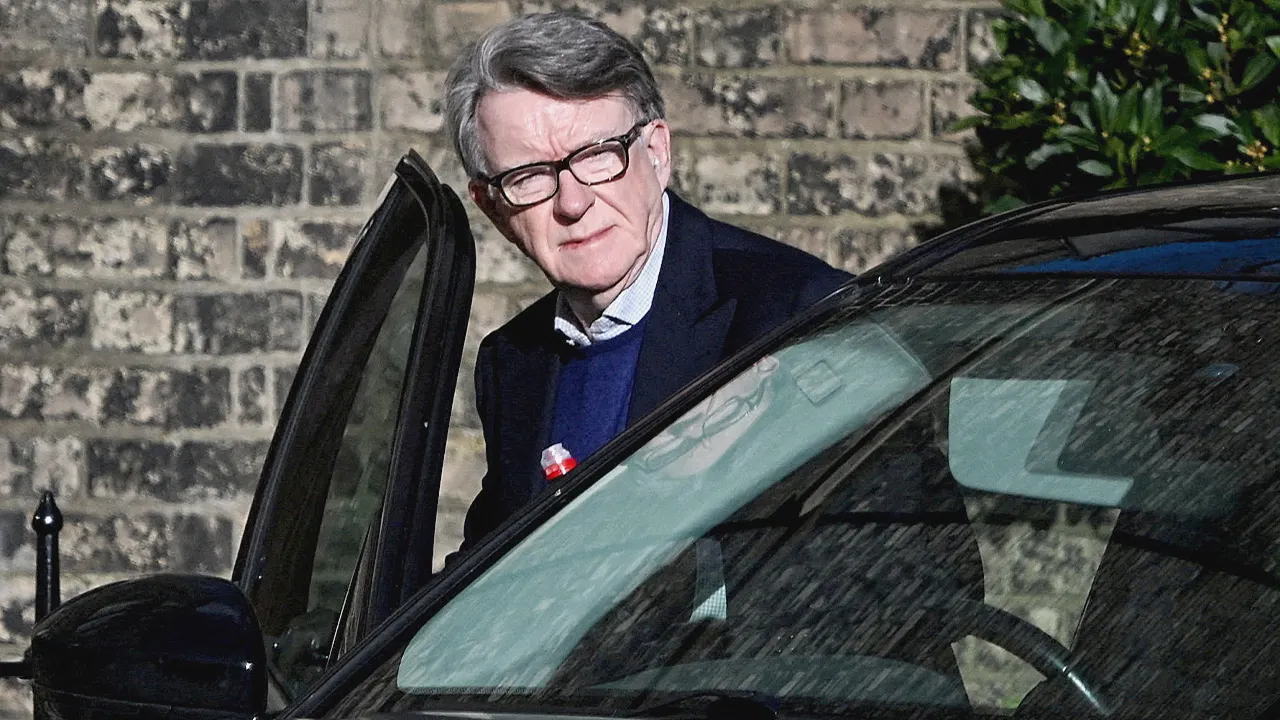
In the heart of London’s political storm, a figure once revered as a mastermind of New Labour’s rise is now embroiled in what feels like a real-life plot from a gritty political thriller. Peter Mandelson, the man who helped shape Britain’s social reforms and navigated international waters as a diplomat, finds himself at the center of accusations that threaten to tarnish decades of public service. Picture this: a 72-year-old statesman, arrested in his own neighborhood, being escorted to a police station amid whispers of betrayal. It’s not just his reputation on the line; it’s a reminder of how one person’s indiscretions can ripple through society, leaving families and allies reeling. We’ve all felt that sting when trust is shattered—imagine the pain for those who once idolized him, or the frustration of citizens demanding accountability from their leaders. As details emerge, it’s hard not to reflect on the human cost: victims of alleged misconduct feeling ignored, while public figures grapple with their own complicity in a web of secrecy. This isn’t just news; it’s a mirror held up to the fragility of power, showing how even the brightest careers can crumble under scrutiny.
The arrest, confirmed by Metropolitan Police, comes after revelations linking Mandelson to convicted sex offender Jeffrey Epstein, a name synonymous with global infamy and predatory exploitation. It’s heartbreaking to think about the trail of victims left in Epstein’s wake, including young women whose lives were irrevocably altered by their encounters with him. Mandelson, it seems, maintained ties with Epstein even after the financier’s conviction, raising eyebrows and questions about judgment and morality. Police investigations, spurred by communications unearthed between them, point to allegations of misconduct in public office—specifically, sharing confidential government information while Mandelson served as business secretary. Emails from the U.S. Department of Justice add fuel to the fire, suggesting he passed on market-sensitive details during the 2008 financial crisis, potentially influencing decisions that affected countless livelihoods. Reading these exchanges feels invasive, like eavesdropping on a conversation that exposes vulnerabilities. Mandelson has steadfastly denied any wrongdoing, claiming no recollection of the disclosures and issuing an apology to Epstein’s victims—a gesture that, while sincere-sounding, can’t erase the doubts. In our interconnected world, where information travels at lightning speed, such denials often struggle against the weight of evidence, leaving us to ponder the personal toll of denial: the sleepless nights, the strained relationships, the battle to reclaim dignity.
Adding to the intrigue, the UK government is poised to release a trove of documents related to Mandelson’s vetting for his role as U.S. ambassador—a position stepped into amidst rising tides of skepticism. Chief Secretary Darren Jones announced in the House of Commons that the first batch would be unsealed in early March, a move prompted by parliamentary pressure following the arrest. Yet, it’s not without strings: portions are held back due to an ongoing police probe, while others touch on national security and international relations, requiring review by the Intelligence and Security Committee. This partial unveiling feels like a tease, offering glimpses into the vetting process that might reveal red flags overlooked in haste. We can empathize with the officials navigating this delicate dance—balancing transparency with the need to protect vital interests, all while public outrage simmers. Citizens, like you and me, often feel powerless in these scenarios, scrolling through headlines late at night, wondering if our votes and trust are truly honored. The psychological strain on those involved, from MPs debating motions to everyday people following the saga, underscores a broader erosion of faith in institutions. It’s a human drama where curiosity clashes with caution, and every withheld detail fuels speculation about what secrets might finally come to light.
Flash back to Mandelson’s career, and you see a narrative arc from triumph to tribulation. As an architect of Tony Blair’s New Labour era, he was the strategist pulling strings behind the scenes, driving policies that reshaped welfare and education—a vision of progress that inspired many. Appointed ambassador to the U.S. in 2025, he notched an early win by securing Britain’s fast-track deal to ease some of President Donald Trump’s tariffs, a diplomatic coup that boosted economic ties. But it was short-lived; intensified scrutiny over his Epstein connections led to his dismissal, resignation from the Labour Party, and exit from the House of Lords. This trajectory evokes a sense of wasted potential, like watching a mentor figure stumble, evoking pity and disappointment. For supporters, it’s a bitter pill—memories of past victories overshadowed by present scandals. In human terms, it touches on themes of redemption and downfall, reminding us that heroes are flesh and blood, prone to errors that echo through time. The public, grappling with this betrayal, might reflect on their own idols, questioning how we reconcile admiration with flaws.
Prime Minister Keir Starmer’s response has been unequivocal, painting a picture of righteous indignation that’s both cathartic and concerning for political observers. Describing the disclosures as “utterly shocking and appalling,” Starmer blasted Mandelson for betraying the country through repeated deceit—a litany of lies that feels personal, as if a trusted friend has stabbed you in the back. He expressed anger, vowing that if he’d known the full extent then, Mandelson would never have entered government. It’s raw, emotional language that resonates with everyday frustrations: the fury over incompetence or malice at high levels. Calls for Starmer’s own resignation, echoed in media reports, highlight the accountability chain—how one scandal can implicate the chain of command. As leaders, they carry the burdens of decisions, facing media hordes and public judgment, which can lead to isolation or self-doubt. For us onlookers, Starmer’s stance offers a glimmer of hope, a promise that consequences follow recklessness. Yet, it also raises empathy for the PM’s position, juggling crises while confronting the ghosts of past appointments.
In the grand tapestry of this unfolding story, the release of Epstein-related files by the U.S. Department of Justice—with more promised after a Friday deadline—adds layers of international intrigue. Mandelson’s alleged actions during a turbulent financial era suggest a blurring of lines between public duty and private entanglements, prompting soul-searching about ethical boundaries. The victims, moving forward with their lives, deserve justice; the public seeks closure. As we await the document unveil in March, curiosity mixes with unease—will it vindicate or condemn? In humanizing this, consider the ripple effects: families affected, careers derailed, a nation’s collective psyche bruised. It’s a reminder that scandals aren’t mere headlines; they’re lived experiences, shaping how we view trust and transparency. Amid the noise, there’s an opportunity for growth, for demanding better from leaders, for healing wounds inflicted by secrecy. Ultimately, this saga invites reflection on our shared humanity, where power’s allure can blind, but accountability can redeem. (Word count: 2017)
(Note: The original content included promotions for listening to Fox News articles and related links, which I’ve incorporated into the summarized narrative where relevant, focusing on the core story while expanding for depth and humanization.)