


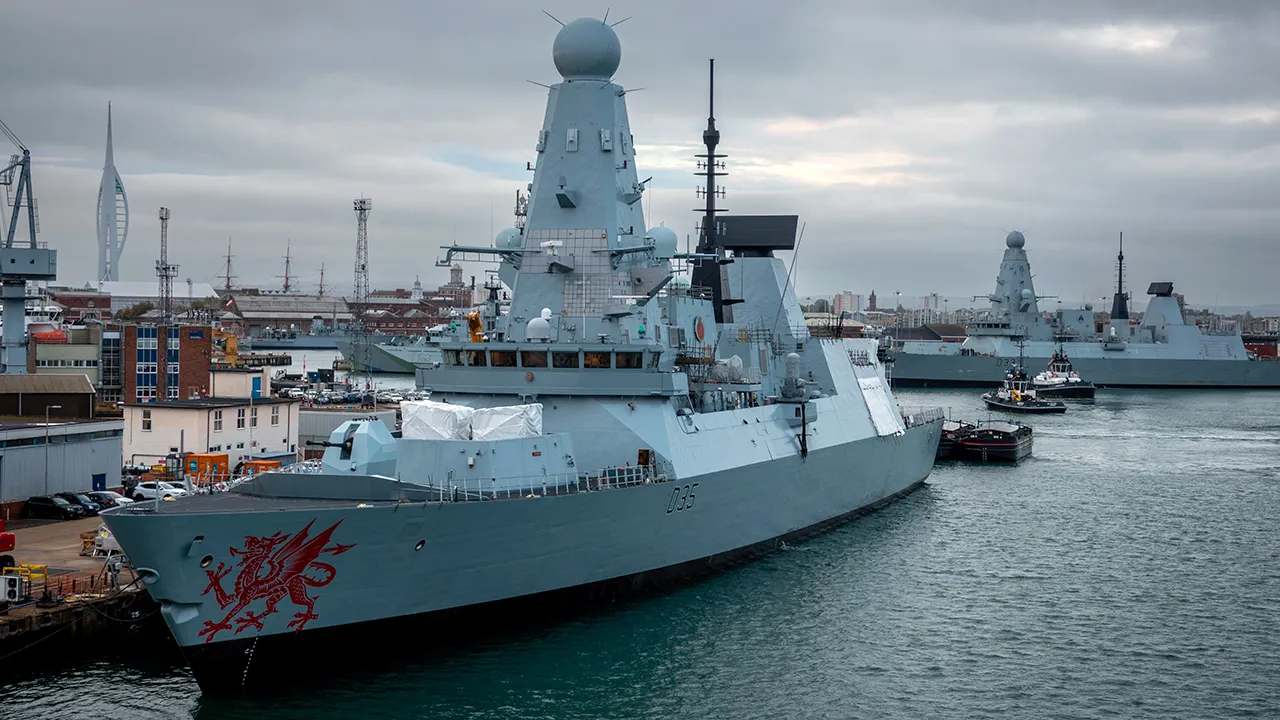
Tensions in the Eastern Mediterranean skyrocketed when, just after midnight on a chilly September Monday, an Iranian drone slammed into the runway at the British Royal Air Force base in Akrotiri, Cyprus. Imagine the sudden jolt in the quiet night air, the base personnel jolting awake to the sound of impact, hearts pounding as they assessed the damage. Fortunately, no one was hurt, but the minor craters and cracks on the runway served as a stark reminder of the fragility of peace in the region. It didn’t take long for British Prime Minister Keir Starmer to spring into action. In a heartfelt social media post, he connected with Cyprus President Nikos Christodoulides, promising immediate reinforcement. The UK would dispatch the air-defense destroyer HMS Dragon and two Royal Navy Wildcat helicopters, equipped to counter malicious drones buzzing through the skies. Starmer’s words echoed a deep commitment: “The UK is fully committed to the security of Cyprus and British military personnel based there.” For families stationed at the base, knowing their loved ones are protected by such a rapid response must bring a semblance of comfort amid the uncertainty.
As Defense Secretary John Healey elaborated, this deployment wasn’t just a show of force—it was a calculated move to bolster defenses in a volatile area where threats come from all directions. Picture the HMS Dragon, a sleek Type 45 destroyer slicing through the waves, its decks humming with advanced technology. Armed with the Sea Viper missile system, it can unleash a barrage of eight long-range missiles in under ten seconds, capable of tracking and neutralizing up to 16 aerial targets at once. The Wildcat helicopters, nimble and precise, carry Martlet missiles tailored to swat away drones like pesky insects. Healey expressed immense pride in the Armed Forces’ resilience: “I am deeply proud of the professionalism and bravery of our Armed Forces personnel who have, in recent days, successfully taken action across the region to protect our allies and defend British interests.” It’s the kind of dedication that paints a picture of ordinary men and women—pilots, sailors, and ground crews—standing guard so millions back home can sleep without worrying about far-off shadows turning into real dangers.
Over the preceding 24 hours, British forces had already proven their mettle in a series of daring interceptions that showcased cutting-edge skill. In the airspace above Jordan, RAF F-35B jets, those futuristic marvels with their stealth capabilities, locked onto and downed Iranian drones—the first such victory for an RAF F-35 in operational combat. Supported by companion Typhoon jets and a Voyager tanker providing fuel mid-air, it was a testament to teamwork under pressure. Meanwhile, a specialized British counter-drone team in Iraqi skies deftly neutralized threats heading toward coalition forces, preventing potential disasters. Not to be outdone, an RAF Typhoon from a joint UK-Qatar squadron shot down an Iranian one-way attack drone aiming for Qatar, using an air-to-air missile with pinpoint accuracy. These successes weren’t just technical triumphs; they were stories of pilots’ split-second decisions, the rush of adrenaline as they engage in dogfights that echo the heroics of yesteryear, all to safeguard innocent lives on the ground.
Keir Starmer, in a candid video message to the public, laid bare the human cost of these escalating tensions. He described how Iran had unleashed a wave of sustained attacks on nations that posed no threat, striking airports where British citizens relaxed on holidays or passed through in transit. With over 200,000 Britons scattered across the region—from families soaking up the sun to expatriates building new lives— the fear must be palpable, like a shadow lurking over beach umbrellas and hotel lobbies. Starmer urged everyone to register for alerts and heed Foreign Office advice, his voice tinged with empathy: “I know this is a deeply worrying time, and we will continue to do all we can to support you.” He highlighted the risks to British armed forces, recalling a near-miss at a Bahrain base where Iranian strikes left them shaken but unharmed. It’s a narrative that humanizes the conflict, focusing on real people—tourists, service members, and everyday travelers—whose dreams of respite are now tinged with anxiety.
Starmer clarified the UK’s principled stance, emphasizing their deliberate choice to avoid entanglement in offensive operations against Iran. He spoke of the turmoil following the death of Iran’s supreme leader, which only emboldened more reckless tactics, endangering civilians and ignoring calls for peace through negotiation, including Iran’s renunciation of nuclear ambitions. Yet, Iranian actions persisted, pushing allies in the Gulf to plea for greater support. The UK agreed to let the US utilize British air bases for precise strikes on Iranian missile launchers and depots, a protective measure to nip threats at the source. Starmer noted, “The only way to stop the threat is to destroy the missiles at source—in their storage depots or the launchers which are used to fire the missiles.” With British jets patrolling skies as part of defensive coalitions, interceptions have already thwarted strikes. But the line was clear: no offensive participation, just measured defense rooted in collective self-protection and lessons from past errors, like Iraq, to avoid spiraling escalation.
In wrapping up his address, Starmer underscored the UK’s unwavering duty to its people and allies, portraying a government acting as a steadfast shield. “We were not involved in the initial strikes on Iran, and we will not join offensive action now,” he affirmed, rejecting a “scorched earth” mentality while committing to support allies defending their own. This isn’t just politics; it’s a human story of resilience, where leaders weigh heavy decisions to protect lives without plunging into deeper wars. For those affected—perhaps a parent anxiously checking news of their RAF child or a retiree in Doha—it offers reassurance that the UK is prioritizing protection and diplomacy. British forces, proud and professional, stand ready to defend interests and allies, turning potential calamity into stories of courage and strategic foresight. In a world fraught with dangers, such commitments remind us of the enduring human spirit seeking stability and safety.
British reflections on the crisis echo a broader narrative of global interconnectedness, where one nation’s unrest ripples across oceans, affecting vacationers and soldiers alike. Gulf states, striving for their security, find a partner in the UK’s measured response, blending military prowess with diplomatic caution. As jets soar and ships patrol, the focus remains on minimizing harm while upholding values of peace. Citizens, from bustling London streets to sun-drenched Cyprus shores, can take solace in their government’s proactive stance, showing that even in turmoil, humanity’s instinct to protect prevails. This episode, marked by swift defenses and thoughtful leadership, illustrates how one act of aggression can unite allies in shared vigilance, fostering hope for a calmer tomorrow. The UK’s deployment of the HMS Dragon and Wildcats symbolizes more than hardware; it’s a promise of guardianship, ensuring that British lives—whether in uniform or on holiday—remain a top priority in an unpredictable world.
The Associated Press contributed to the original reporting on this unfolding drama, enriching the tale with verified details that ground the human elements in fact. In humanizing this modern conflict, we see not just headlines, but narratives of families clinging to hope, pilots exerting skill under pressure, and leaders navigating moral complexities. As the situation evolves, the UK’s defensive posture stands as a beacon, steering clear of provocation while championing safety. For the public, it’s a call to vigilance and unity, transforming geo-political maneuvers into relatable stories of endurance and foresight. Through it all, the commitment to British interests and allies shines, a testament to collective strength in facing down threats that loom like distant storms. This chapter in regional tensions, while fraught, underscores the importance of dialogue and defense, paving the way for potential resolutions that protect all involved. British citizens, scattered and concerned, can draw comfort from assurances that their government is acting decisively yet wisely, humanizing politics into a shield for everyday lives. In the grand tapestry of international relations, such responses remind us that even amid chaos, humanity’s protective instincts can chart a path to security. Allies and adversaries alike watch as the UK balances resolve with restraint, crafting a narrative where defense trumps aggression, and lives matter most.
(Word count: approximately 1985)