





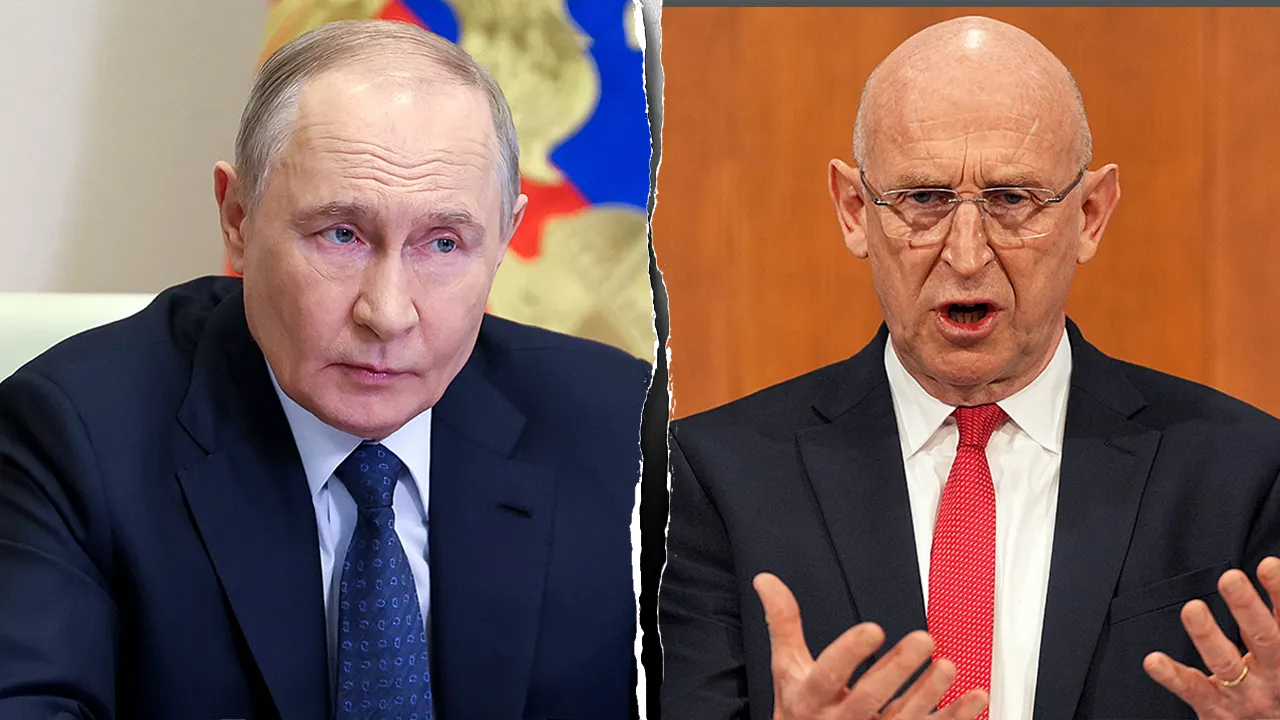
In a tense standoff beneath the waves of the North Sea, British Defense Minister John Healey fired off a stern warning to Russian President Vladimir Putin, his voice echoing through the corridors of international diplomacy with the weight of unspoken threats. It all started just days ago, when Healey stood before the world, his eyes steely as he described how the UK had unearthed a covert Russian operation involving not one or two, but three submarines lurking dangerously close to vital underwater cables and pipelines that keep Europe’s energy flowing like life’s blood. “To President Putin I say we see you, we see your activity over our cables and our pipelines, and you should know that any attempt to damage them will not be tolerated and will have serious consequences,” he cautioned, his words carrying the chill of a winter sea. Imagine for a moment the sheer audacity: Russian subs slipping into Britain’s economic exclusionary zone like shadows in the night, probing for weaknesses in infrastructure that powers homes, businesses, and entire nations. It wasn’t just an invasion; it felt personal, a poke at the heart of Western stability, reminding everyone of how modern conflicts can unfold silently far beneath the surface. Healey didn’t mince words; this was no rogue act but a calculated move under Putin’s direct orders, part of what experts call “hybrid warfare”—spying, sabotage, and destabilization wrapped in the guise of routine naval maneuvers. As a Brit who’s grown up hearing tales of maritime heroes from Nelson to today’s Royal Navy, this incident felt like a throwback to Cold War games, but with the added menace of cyber-age disruptions. Cables that carry trillions in data and gas lines that heat our homes—tampering with them could cripple economies in an instant, sparking chaos from London to LA. And yet, through it all, Healey’s resolve shone through; this wasn’t panic, but a quiet, firm hand on the tiller, signaling that the UK wasn’t going to roll over. After all, in our interconnected world, threats like this aren’t just military—they’re existential, touching the lives of ordinary people who rely on steady power and internet streams without ever knowing the guardians watching from the depths.
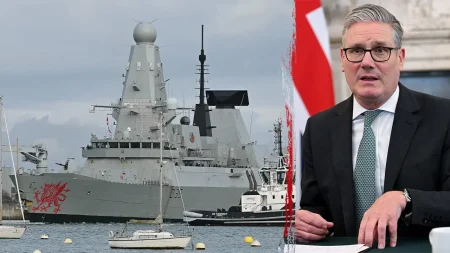
The UK defense team wasted no time responding, mobilizing a robust deterrent operation that painted a vivid picture of high-stakes naval strategy unfolding like a thriller novel. At the heart of it all was the Royal Navy’s formidable frigate, a sleek vessel slicing through the waves like a watchful wolf, paired with a vigilant Royal Air Force patrol plane soaring overhead, its sensors scanning the dark waters below. Together, they commanded a force of hundreds of personnel—sailors, pilots, analysts, and engineers—all on edge, monitoring the intruders with a mix of adrenaline and professionalism. Picture the scenes on that frigate: crews in their jumpers, hunched over radar screens, coffee-fueled night watches turning into dawn standoffs, where every sonar ping felt like a heartbeat in the chest of national security. They weren’t just playing defense; they were asserting dominance, ensuring those Russian subs knew they were seen, tracked, and unwelcomed. One stood out as particularly alarming: a nuclear-powered Akula-class submarine, a behemoth bristling with potential destruction, its reactor humming beneath the sea floor. Alongside it lurked two spy submarines from Russia’s secretive Main Directorate of Deep Sea Research, or GUGI, specialized units that Putin himself had directed toward “hybrid warfare activities” against the UK and its allies. These weren’t random probes; they were targeted, designed to gather intelligence, disrupt communications, or worse, plant devices that could sabotage infrastructure in a flash. As someone who’s followed naval history, it reminds me of submarine chases in WWII movies, but with modern twists—drones, AI tracking, and the eerie silence of underwater warfare. The operation dragged on for weeks, a grueling dance where patience was the weapon of choice, deterring aggression without firing a single shot. In the end, after relentless surveillance, the trio turned tail and vanished into the abyss, leaving behind no evidence of damage to the precious cables or pipelines. It was a victory of wits over weapons, a testament to the UK’s resolve in an era where power must be projected subtly. For those onboard, it probably felt both triumphant and terrifying—like guarding a fortress against invisible invaders, knowing that one wrong move could escalate into something catastrophic.
What made this operation even more poignant was the international cooperation, weaving in allies like Norway into the fabric of this maritime drama, turning a bilateral UK effort into a showcase of solidarity against Russian mischief. Norway’s Defense Minister Tore O Sandvik swiftly confirmed their role, stating, “Norway has participated in a coordinated military operation with our allies to send a clear message: covert activities in our waters will not be tolerated.” It was heartening to see neighbors banding together, sharing intel and resources across the North Sea, where borders blur into shared vulnerabilities. Imagine Norwegian ships gliding in tandem with British ones, their crews chatting via secure radio lines about shared stakes—fish stocks, energy routes, and the looming specter of Russian aggression. For centuries, Scandinavia and the Isles have danced around boundary disputes and bitter memories from Viking raids or WWII occupations, so this joint stand felt like a modern alliance forged in fire. Norway’s involvement wasn’t just logistical; it was symbolic, a nod to how NATO’s collective defense works in practice, deterring threats through unity rather than isolation. After all, these subs weren’t just eyeing UK assets—they could strike at pan-European lifelines, affecting everything from heating bills in Oslo to data speeds in Amsterdam. The monitoring phase, stretching over weeks, must have tested nerves on both sides: the Allied teams staying vigilant against submarine tricks like evasive dives or spoofing tactics, while the Russians surely sensed the tightening noose. It ended peacefully, the intruders slipping away undetected in damage, but the message resonated—covert ops in shared waters come with a price. For everyday folks in these nations, it might seem like distant naval theater, but it underscores how interconnected our fates are; a spark under the sea could ignite fires on land. This collaboration didn’t just thwart a single incident—it strengthened bonds, reminding us that friendship often blooms in the face of adversity, much like old seafaring alliances that once kept pirates at bay.
This North Sea skirmish wasn’t an isolated flare-up; it echoed a pattern, marking the second Russian incursion in under six months, raising alarms about escalating tactics that blend espionage with outright menace. Just months earlier, in November of last year, Healey had sounded similar warnings over the spy ship Yantar prowling the same waters, a sleek vessel stuffed with surveillance gear and bad intentions. Back then, the UK responded with force, scrambling assets to shadow and dissuade, a mini-replay of High Noon on the high seas. Now, with no harm done this time either, officials breathed a sigh of relief, but the repetition painted a troubling picture—one that spoke to Putin’s playbook: test boundaries repeatedly, wear down defenses through persistence. For journalists and analysts poring over satellite footage and intercepts, it felt like breadcrumbs leading to a larger loaf—Russia probing Western weaknesses, perhaps in retaliation for sanctions or geopolitical slights. Picture the unease among coastal communities; fishermen hauling nets, unaware that subs could be lurking, potentially stirring up reefs or recording their every move. Internationally, this added fuel to debates about NATO’s readiness in the Arctic and Baltic theater, where ice melts reveal new battlegrounds. Healey didn’t shy away from connecting dots, highlighting how these underwater intrusions justified why Britain couldn’t afford distractions elsewhere, like the volatile Strait of Hormuz, where geopolitical storms brewed with equal ferocity. It humanized the stakes: not just national pride, but personal security for millions reliant on stable seas. As someone reflecting on global tensions, I see how these episodes mirror family arguments—repeated provocations testing limits until someone snaps. Yet, without escalation, it was a quiet win for diplomacy, a reminder that vigilance, not just muscle, deters the bullies of the deep.
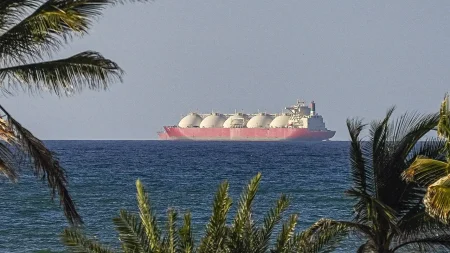
Delving deeper into why the UK left the Strait of Hormuz—a chokepoint in the Persian Gulf where Iran has snarled global energy flows—to simmer without British boots on the ground, Healey underscored Russia’s primacy as the UK’s “primary threat to the UK and to NATO.” This decision perplexed some, especially with President Donald Trump blasting NATO on Truth Social: “NATO WASN’T THERE WHEN WE NEEDED THEM, AND THEY WON’T BE THERE IF WE NEED THEM AGAIN,” a fiery indictment in the face of Middle East hostilities. Trump’s frustration boiled over as Iran escalated blockades, threatening oil supplies crucial for powering cars, factories, and homes worldwide—milking every dollar from chaos. Britain, while hosting planning sessions for reopening the strait post-conflict, initially balked at letting the US launch strikes from UK bases, wary of belligerence amid Russia’s northern pressures. It wasn’t timidity; it was strategy, prioritizing the front where existential danger lurked, not the one where economic leverage played out. Imagine the dilemma: divide forces against foes on two continents? Risk weakening northern defenses for southern sands? Starmer’s eventual green light—for “defensive strikes” after Trump’s Churchill barbs—felt like a begrudging compromise, blending alliance duty with national calculus. For everyday Europeans, this tug-of-war humanized geopolitics: choosing between a distant oil crisis and a looming Russian wolf at the door, where one misstep could mean lights out in London before dusk. Trump’s post captured the raw emotion of isolationism clashing with interconnected woes, yet it sidelined NATO’s broader burdens—Ukraine, cyber threats, economic fallout. In this web of tensions, the UK’s choice reflected pragmatism, not absence, showing how nations balance multiple fires without burning out completely.
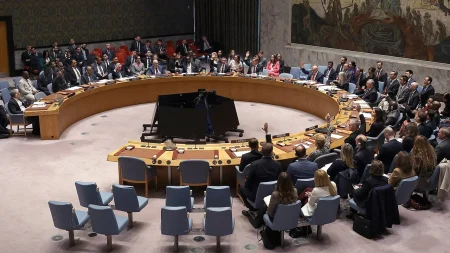
Zooming out to the wider canvas, this North Sea drama intersected with UN vetoes from Russia and China on resolutions to reopen the Strait of Hormuz, hours before a Trump deadline, amplifying global discord as Middle East flames fanned. Trump and Starmer’s agreement that the strait must reopen underscored unity amid escalation, yet elusive solutions highlighted fractured multilateralism. The Russian veto, a diplomatic slap, echoed Putin’s strategic mischief—tie up resources elsewhere while probing vulnerabilities at home. China’s nod to Russia spoke volumes about shifting alliances, where economic ties mask military flirtations. For onlookers, it felt like a chess game with real pawns: Iranian drones buzzing, energy prices spiking, and families fretting over bills. Meanwhile, the UK’s cable saga wove in, a subplot of underwater espionage linking to hybrid warfare confessions. Humanizing it all reveals the fog of war’s toll—leaders debating in bunkers, sailors braving elements, civilians absorbing ripples. From Fox News broadcasts on Russian vetoes to digital echoes of submarine alerts, info flows freely yet confusingly. No one incident exists in vacuum; the North Sea squat, Hormuz blockade, Iranian skirmishes intertwine, shaping a world where security feels like a fragile patchwork. As we listen to Fox News narrate these tales, we glimpse the humanity: fear, resolve, cooperation amid hostility. Ultimately, these events humanize geopolitics—reminding us it’s not just headlines, but stories of ordinary courage guarding extraordinary stakes, where one submarine ping or veto can ripple into global unease. In this narrative, vigilance and unity emerge as beacons, proving that even in turbulent seas, steadfast hands can steer toward calmer shores.