





UAE Halts Scholarships to UK Universities Over Radicalization Concerns
In a significant diplomatic shift, the United Arab Emirates has decided to remove British universities from its list of institutions eligible for state scholarships. This decision, as reported by The Financial Times, stems from growing concerns that Emirati students might be exposed to radical ideologies while studying in the United Kingdom. The UAE’s move reflects deeper tensions between the two nations, particularly regarding the UK’s stance on the Muslim Brotherhood, which the UAE has repeatedly urged London to designate as a terrorist organization. According to sources directly involved with the decision, UAE officials are concerned about potential radicalization of their youth on British campuses, stating plainly: “They don’t want their kids to be radicalized on campus.”
The implications of this decision extend beyond just funding withdrawal. Emirati students who have recently applied for government scholarships to study in the UK have seen their applications denied. Perhaps more significantly, the UAE will no longer recognize qualifications from British academic institutions that aren’t on its accredited list. This effectively diminishes the value of UK university degrees for Emiratis, as these qualifications may not be recognized when students return home to pursue careers. This represents a substantial shift in educational relations between the two countries, which have historically maintained strong academic ties.
The UK government, now under Prime Minister Keir Starmer’s leadership, has responded to these concerns by affirming its commitment to campus safety and extremism prevention. “All forms of extremism have absolutely no place in our society, and we will stamp them out wherever they are found,” Starmer’s office stated. The government further emphasized that Britain “offers one of the best education systems in the world and maintains stringent measures on student welfare and on-campus safety.” Despite these assurances, the UAE’s decision suggests these measures aren’t considered sufficient protection for Emirati students studying abroad.
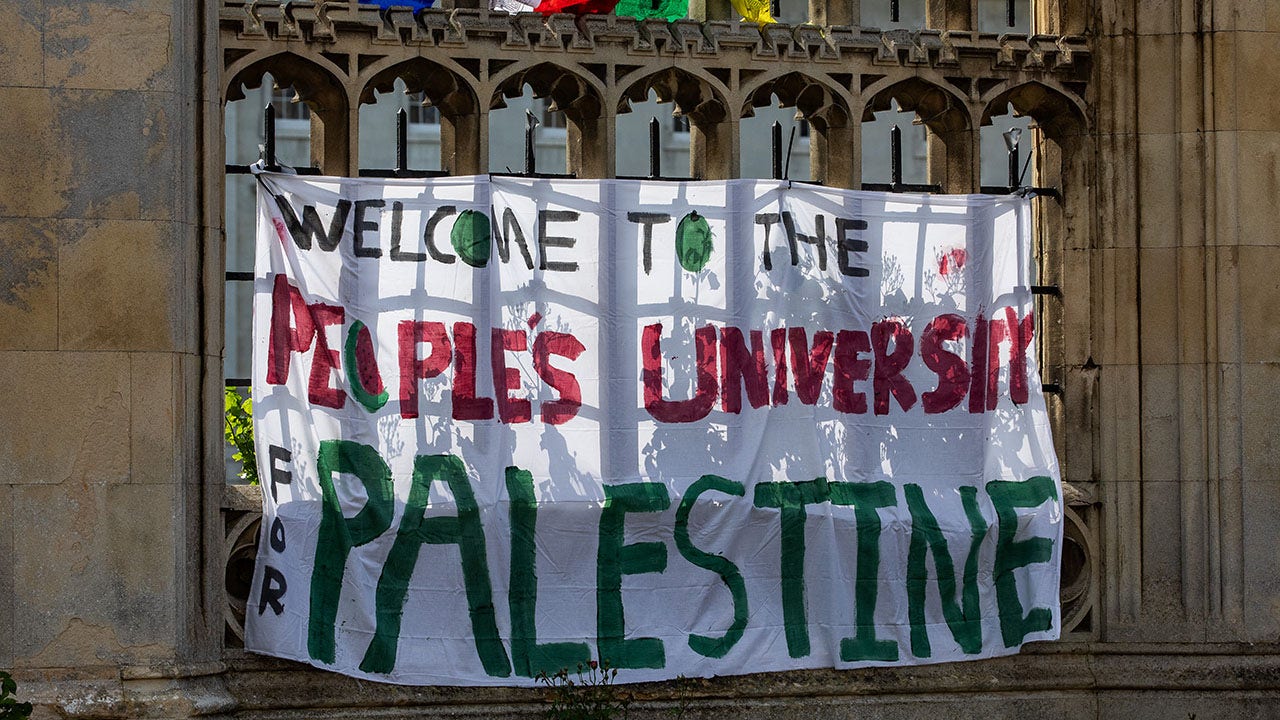
This development comes against a backdrop of concerning statistics about extremism on British campuses. During the 2023-2024 academic year, 70 students at UK universities were reported for possible referral to the government’s deradicalization program. While this represents a small fraction of the total student population, for the UAE—which takes an uncompromising approach to Islamist movements both at home and abroad—any risk of radicalization is deemed unacceptable. The UAE’s President, Sheikh Mohammed bin Zayed al-Nahyan, has on multiple occasions questioned Britain’s reluctance to designate the Muslim Brotherhood as a terrorist organization, an issue that Starmer’s administration has indicated is under “close review.”
The UAE’s decision reflects a broader pattern in its foreign policy and approach to governance. The Gulf nation has consistently taken a hardline stance against Islamist movements that it perceives as threats to regional stability. This position sometimes puts it at odds with Western democracies that may balance freedom of expression and association against security concerns differently. For Emirati leadership, the protection of its citizens from ideological influences deemed dangerous takes precedence over maintaining traditional educational partnerships, even with countries like the UK with which it has strong historical ties.
This scholarship withdrawal may signal a shifting landscape in international higher education and cross-cultural exchange between the Middle East and the West. British universities, which have long benefited from international students, including those from Gulf nations, may need to address these concerns more directly if they wish to continue attracting students from the UAE and possibly other Gulf Cooperation Council countries with similar concerns. Meanwhile, educational institutions in other countries that take stronger stances against organizations like the Muslim Brotherhood may see an increase in applications from Emirati students. This development serves as a reminder that higher education exists within complex geopolitical contexts, where academic freedom, national security concerns, and diplomatic relations often intersect in challenging ways.