


The Unseen Heroes of the Arabian Sea
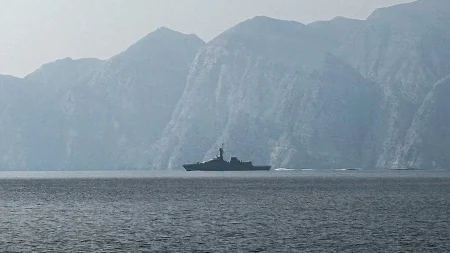
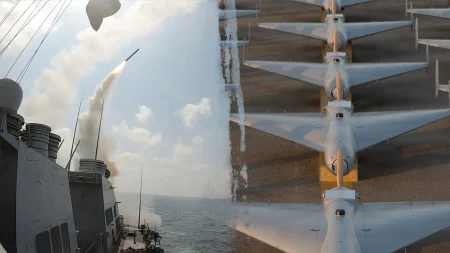
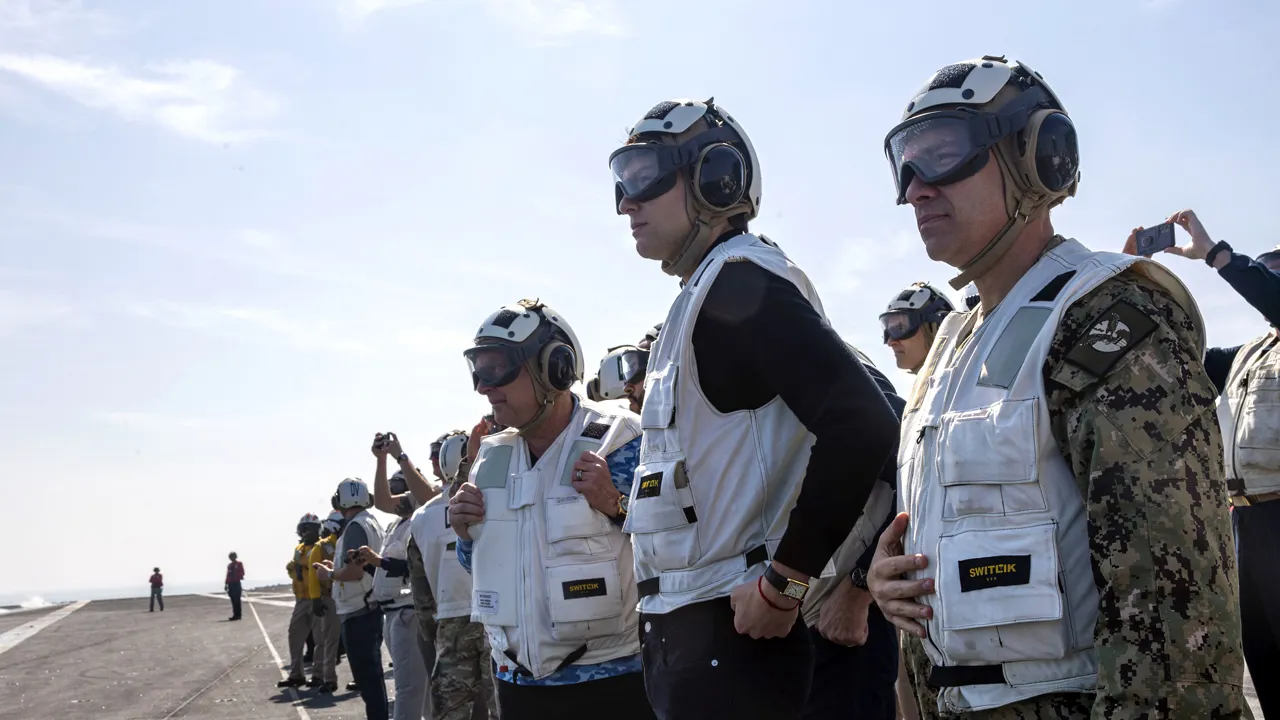
Imagine sailing through the vast, shimmering expanse of the Arabian Sea aboard the mighty USS Abraham Lincoln, an icon of American naval power that’s been guarding the skies and waters with unrelenting vigilance. It’s a scene straight out of a high-stakes thriller, where sailors and Marines work tirelessly under the scorching sun, ready to defend freedoms that most of us take for granted back home. On a recent Saturday, a group of high-profile visitors touched down on this floating fortress, bringing with them a message of pride and resolve. U.S. Special Envoy for Peace Missions Steve Witkoff, alongside Jared Kushner—the influential advisor tied to numerous Middle East dealings—and Admiral Brad Cooper, the commanding force behind U.S. Central Command, made the journey for what was dubbed a “scheduled deployment visit.” Why the urgency? Tensions with Iran have been simmering like a pot about to boil over, and this trip wasn’t just ceremonial; it was a show of solidarity amid whispers of potential conflict. Witkoff, with his diplomatic background, emphasized how these servicemen and women are “keeping us safe and upholding President Trump’s message of peace through strength.” It’s a reminder that behind every tweet or headline about global diplomacy, there are real people—families even—standing watch, far from the comforts of home. They left San Diego in November, charting a course through the Indo-Pacific before shifting gears to the Middle East in January. During their visit, they toured the carrier, witnessing the adrenaline-pumping world of live flight operations. One highlight was meeting the pilot who skillfully downed an Iranian drone that had ventured too close without clear intent. Picture the pilot recounting the moment: the heart-racing decision, the precise maneuvers, and the success that reaffirmed America’s edge in aerial superiority. Witkoff shared these details on X (formerly Twitter), calling it a proud moment to honor those who defend interests, deter adversaries, and embody readiness. But let’s zoom out for a second. Life aboard a carrier ain’t glamorous—it’s grueling. Days blend into nights with the constant hum of engines, the smell of aviation fuel, and the disciplined routine that keeps everything running like a well-oiled machine. These crews handle everything from maintenance checks to personal sacrifices, like missing holidays or family milestones. Yet, their morale seems unbreakable, especially with visits like this that showcase national support. It’s humanizing to think of them not just as soldiers, but as individuals with stories of why they enlisted—perhaps inspired by a family tradition, a desire for adventure, or a call to serve. The visit underscored a larger narrative: America’s commitment to deterrence in a volatile region. Iran, with its provocations, looms large, and this carrier strike group is a tangible proof that the U.S. won’t back down. As global eyes turn to the Middle East, this event paints a picture of unity, where diplomacy meets military might, and where the quiet heroes of the sea remind us that peace often demands strength. In a world of rapid news cycles, it’s refreshing to dwell on these personal interactions, not just the politics, making the story feel more alive and relatable.
Echoes of Pride and Professionalism
Stepping deeper into the heart of the Abraham Lincoln, Admiral Cooper took the mic to rally the troops, his voice cutting through the sea breeze with the weight of authority and admiration. “I join the American people in expressing our incredible pride in the Sailors and Marines of the Abraham Lincoln Carrier Strike Group,” he declared, a statement that reverberates beyond the deck plates. It’s not every day you hear such genuine commendation, especially in an era where military appreciation often gets lost in debates over defense budgets or political divides. Cooper highlighted their dedication and professionalism, traits on full display as they navigate the choppy waters of the Middle East. Picture this: The admiral addressing a crowd of uniformed men and women, some seasoned vets with calloused hands from countless drills, others young recruits wide-eyed with purpose. Their roles vary—from engineers ensuring the ship’s nuclear heart beats steadily, to aviators launching jets into the blue, to the support staff keeping everyone fed and focused. These aren’t faceless figures; they’re neighbors, friends, and loved ones who volunteered for a life of uncertainty. Cooper’s words served as a morale booster, a much-needed affirmation that their efforts aren’t overlooked. The strike group’s presence sends a clear message: American readiness isn’t theoretical; it’s proven daily through simulations and real-world patrols. Amid rising Iran tensions, this professionalism translates to deterrence, making adversaries think twice before testing unwelcoming skies. It’s humanizing to consider the personal toll—the months away from spouses, children, and pets, the mental strain of high-stakes decisions. Yet, in conversations I’ve had with former service members, they often speak of the camaraderie, the unbreakable bonds forged in shared hardship. Witkoff and Kushner’s inclusion added layers, bridging military operations with diplomatic outreach. Kushner, known for his role in brokering the Abraham Accords under Trump, brought insight into how these defense efforts align with broader peace processes. The trio’s interactions—thanking sailors over meals, discussing operations—humanize the elite visitors, showing they’re not detached bureaucrats but engaged leaders. This visit wasn’t just a photo op; it fostered connections, reminding everyone that behind the headlines of geopolitical chess games lie personal stories of resilience and teamwork. As tensions escalate, such moments build a narrative of unity, where pride in service bridges divides and inspires a nation to appreciate the guardians of the sea. It’s a testament to how leadership, when rooted in genuine respect, can elevate spirits in the most challenging environments, turning duty into something profoundly meaningful.
Shadows of Iranian Tensions
While the Lincoln’s crew embodies resolve, the backdrop of Iran-related strife adds a layer of urgency, like a storm clouds gathering on the horizon. Just a day before this visit, the U.S. and Iran sat down for talks in Oman, a neutral ground for discussing Tehran’s nuclear ambitions—a program that’s sparked international alarm for decades. Witkoff, with his envoy title, represented American interests in these discussions, emphasizing efforts to curb potential threats without descending into open conflict. The irony isn’t lost: Here you have a carrier strike group deterring aggression, while diplomats negotiate in earnest, highlighting the dual pillars of “peace through strength.” Iran, for its part, has made bold threats, vowing to target U.S. bases if American forces retaliate, as reported in recent news outlets. This tit-for-tat rhetoric underscores the fragile state of relations, where missteps could ignite flares akin to past near-misses. The downed Iranian drone incident is a prime example—a tense standoff resolved by swift action, preventing what could have escalated further. Iranian officials have signaled negotiations will continue, claiming the Oman talks had a “good start,” which offers a glimmer of hope amid hostility. But beneath the diplomatic veneer lies a web of complexities: Iran’s support for proxy groups like Hezbollah and Hamas, its ballistic missile advancements, and the shadow of nuclear proliferation. Americans might wonder why this matters—it’s about safeguarding global stability, preventing another conflict in an already turbulent region. Humanizing this involves considering lives on both sides: Iranian families grappling with sanctions’ brunt, American troops wary of unseen dangers, and civilians caught in crossfire. Policies like peace through strength aim to avoid bloodshed, but they require unflinching vigilance. The carrier’s deployment exemplifies this, serving as a floating embassy of intent. In a world quick to judge, it’s worth pausing to appreciate the nuanced dance of diplomacy and defense. Stories of past detent often reveal that behind fierce rhetoric are human desires for security and prosperity. As the Lincoln patrols, it symbolizes a line drawn in the sand, deterring those who might exploit weakness, while leaving room for talks to yield fruit. This dynamic isn’t just geopolitical theater; it’s a reflection of the human condition, where fear and hope intertwine, urging a collective push for dialogue over destruction. Ultimately, these tensions remind us that true peace demands both firmness and flexibility, a lesson etched into the experiences of those on the front lines.
Netanyahu’s Washington Rendezvous
Shifting gears to the diplomatic theater, Israeli Prime Minister Benjamin Netanyahu’s impending meeting with President Donald Trump in Washington, D.C., on Wednesday casts a spotlight on shared concerns about Iran. Scheduled for discussion, this sit-down comes on the heels of the Oman talks and the Lincoln visit, painting a picture of aligned interests among key U.S. allies. Netanyahu’s office outlined the agenda: Limiting Iran’s ballistic missiles and ending support for what they call the “Iranian axis,” encompassing groups like Hezbollah and Hamas, which have sown chaos in the region. This meeting isn’t haphazard; it builds on their September encounter, where strategies against common threats were likely hashed out. Trump, ever the dealmaker, has voiced optimism about Iranian negotiations, hinting that Tehran seems eager for a pact. Humanizing this involves seeing Netanyahu not just as a leader but as a steward of Israel’s security, a figure who’s navigated existential threats with Churchillian resolve. His insistence on comprehensive limits reflects a nation’s vigilance after decades of threats. For Israelis and Americans alike, this dialogue resonates—think of families affected by rocket attacks or the psychological toll of perpetual unrest. Trump’s approach, blending bluster with back-channel talks, appeals to those tired of endless wars, favoring accords that promise stability. Jared Kushner’s involvement in both the Oman sessions and prior peacemaking efforts underscores a family affair of sorts, with the Kushner-Trump dynamic influencing outcomes. Behind closed doors in Washington, one can imagine substantive chats: Maps unfolding, strategies debated, aspirations for a denuclearized Iran articulated. Yet, it’s not without friction; Iranian ambitions challenge these talks’ viability. Netanyahu’s stance ensures Israel’s voice amplifies, preventing deals that might leave vulnerabilities. This humanizes international relations as a tapestry of personalities and histories, where leaders like Netanyahu, shaped by personal tragedies and triumphs, advocate fiercely for their people. Americans might connect this to shared democratic values, fearing Iranian expansionism’s ripple effects. The stage is set for a consequential exchange, potentially altering Middle Eastern dynamics. In an interconnected world, such meetings aren’t isolated events—they ripple outward, influencing global norms and individual fates. It’s a poignant reminder that diplomacy, when personalized, can forge bonds translating to lasting peace, bridging divides one conversation at a time.
Trump’s Optimistic Outlook
As Air Force One soared en route to Mar-a-Lago on Friday, President Trump shared his take on the Oman talks, calling them “very good” and injecting a dose of characteristic optimism. “Iran looks like it wants to make a deal very badly,” he told reporters, adding that the real test lies in what that deal entails. Trump’s words, delivered from the presidential jet’s press cabin, captured a moment of guarded hope—a departure from the fiery tweets that often dominate headlines. Humanizing Trump here means acknowledging his deal-making persona, honed through business battles and now applied to world affairs. He’s the showman-president, ever upbeat about outcomes that align with his “America First” ethos. For listeners, it evokes a relatable figure—one who sees opportunities where others see obstacles, yet remains skeptical until the commitments bite. The talks’ “good start” was a collaborative effort, with Witkoff and Kushner at the table, signaling continuity from prior administrations. BizThe implications? A potential thaw could ease sanctions’ burden on ordinary Iranians, fostering economic ties and reducing conflict risks. Yet, Trump’s cautious tone (“We have to see what that deal is”) reflects awareness of past nuclear accord pitfalls. It’s worth picturing the scene: Reporters huddled, phones recording, as Trump, always the performer, delivers quips that sway public sentiment. For American families, this optimism offers reassurance—peace talks might mean fewer boots on ground, fewer risks to sons and daughters deployed abroad. Critics might argue it’s naive idealism, but Trump’s base sees it as pragmatic vision. Beneath the bravado lies a president deeply invested in his legacy, aiming for Middle East breakthroughs. Irony abounds: While the Lincoln exudes military might, Trump’s diplomacy seeks swords-into-plowshares transformation. Personal anecdotes from the Trump team reveal tireless negotiations, late-night calls, driving toward historic pacts. In human terms, it’s about aspirations—for secure borders, thriving economies, and curtailed threats. As the president landed, he carried this momentum, blending it with rest at his Florida haven. Listeners to Fox News might resonate, viewing it as a vindication of tough stances yielding dividends. Trump’s narrative humanizes high-stakes diplomacy, making it approachable and hopeful, a beacon for those yearning for resolutions in an uncertain world.
Reflections on Resolve and Humanity
In wrapping up this tale of naval might and diplomatic dance, the USS Abraham Lincoln visit emerges as a powerful vignette of American grit amidst Middle Eastern tumult. From Witkoff’s grateful words to Kushner’s strategic involvement and Cooper’s rallying praise, the event humanizes the machinery of defense, showing how individual acts of bravery sustain national resolve. Tensions with Iran aren’t abstract; they’re lived by those on the carrier, dodging drones and patrolling seas, while our leaders negotiate pathways to peace. Netanyahu’s Washington meeting amplifies the stakes, urging limitations on missiles and proxy threats, fueled by Trump’s hopeful rhetoric from Air Force One. Yet, at its core, this is a story of people—sailors upholding duties far from home, diplomats crafting futures, and leaders grappling with human costs. It prompts reflection: In a podcast-able era, where we “listen” to news like Fox, are we truly engaged, or merely spectating? These unfolding events encourage empathy, reminding us that behind strategic moves are lives shaped by hope, fear, and unwavering commitment. As talks persist and carriers stand guard, optimism mingles with caution, underscoring peace through strength’s enduring relevance. For everyday folks, it inspires gratitude for those who serve and sparks curiosity about interconnected fates. Ultimately, amid geopolitical chess, the humanity shines through—resilient, determined, and ultimately hopeful for a calmer horizon. Let’s celebrate these heroes, not just through applause, but through informed dialogue, ensuring their sacrifices pave a path to lasting tranquility. And remember, in this digital age, staying tuned to evolving stories keeps us connected to the real pulse of power and peace.