






Trump’s Peace-Focused Diplomacy in 2025: Progress Amid Persistent Challenges
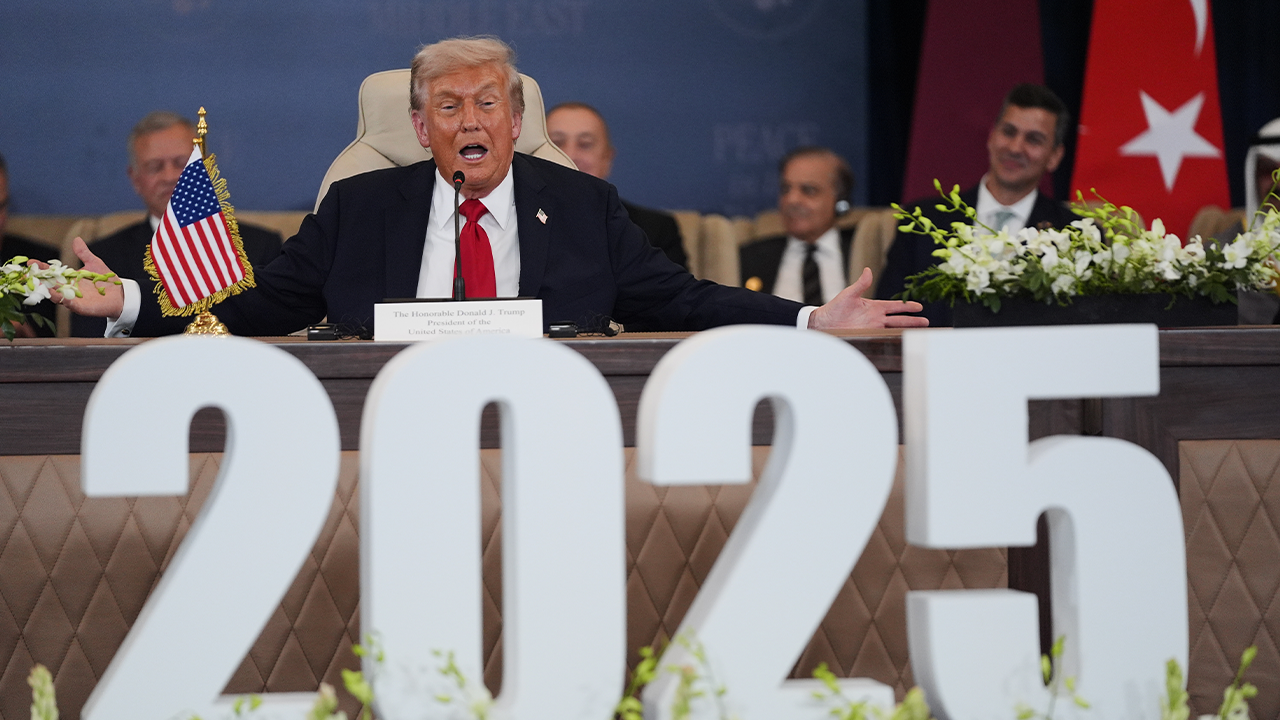
Donald Trump’s return to the presidency in 2025 brought a renewed focus on international diplomacy under his familiar “peace through strength” doctrine. Throughout the year, Trump positioned himself as a peacemaker on the world stage, even suggesting his diplomatic achievements merited Nobel Prize consideration. The State Department similarly framed its work as aimed at “securing peace around the world.” By year’s end, this approach yielded significant breakthroughs in several longstanding conflicts, though many entrenched disputes continued to resist easy resolution. Trump’s personal involvement in negotiations became a hallmark of his foreign policy, with direct engagement at the highest levels resulting in several ceasefire agreements and diplomatic frameworks that would have seemed unlikely just months earlier.
Perhaps the most consequential diplomatic achievement came in October, when the Trump administration brokered a ceasefire between Israel and Hamas, ending nearly a year of devastating conflict in Gaza following the October 7, 2023 attacks. This agreement enabled the release of most remaining hostages held by Hamas, though some issues remain unresolved. While the truce has largely held through year’s end, substantial challenges persist regarding Gaza’s governance, demilitarization, and reconstruction after widespread destruction. The Trump administration has positioned this ceasefire as central to its diplomatic record while continuing to work with regional partners on implementing sustainable solutions. Netanyahu’s upcoming meeting with Trump signals ongoing high-level engagement on these issues. Meanwhile, Trump also made progress in the decades-old Armenia-Azerbaijan conflict, hosting both nations’ leaders at the White House for a historic peace declaration focused on economic cooperation and regional connectivity, though implementation remains a work in progress.
The Ukraine-Russia war presented Trump’s most ambitious diplomatic challenge of 2025. Having campaigned on his ability to quickly end the conflict, Trump pursued direct engagement with both sides. A particularly dramatic moment came with Putin’s invitation to Alaska for a summit that tested whether personal diplomacy could unlock a settlement. Trump simultaneously hosted President Zelenskyy at the White House, reaffirming U.S. support while signaling that peace would require difficult compromises. By December, diplomatic momentum accelerated significantly, with Zelenskyy announcing a 20-point peace plan developed with U.S. officials that includes security guarantees involving Ukraine, the United States, and European partners. While acknowledging the plan isn’t perfect, Zelenskyy characterized it as substantial progress, with a visit to Trump reportedly imminent. Russian officials, however, view the plan merely as a starting point, seeking additional restrictions on Ukraine’s military and arguing that the proposal leaves many crucial questions unanswered.
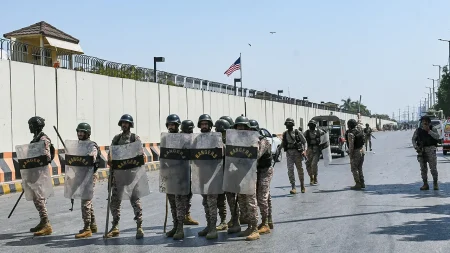
Trump’s diplomatic efforts extended to several other conflict zones across Africa. In December, he hosted the signing of the Washington Accords between the Democratic Republic of Congo and Rwanda, aimed at ending decades of conflict and expanding economic cooperation. Despite this diplomatic breakthrough, armed groups remain active in eastern Congo, highlighting the fragility of the agreement. Similarly, when India and Pakistan appeared on the brink of catastrophic escalation following a terrorist attack in Kashmir and subsequent retaliatory strikes, Trump’s administration engaged in emergency diplomacy that successfully established a ceasefire between the nuclear-armed rivals. On the sidelines of an ASEAN summit, Trump also helped mediate between Cambodia and Thailand following months of border clashes, though fresh disputes continue to challenge peace prospects in the region. Just recently, after mediation offers from Secretary of State Marco Rubio, a new ceasefire was established to end weeks of renewed fighting.
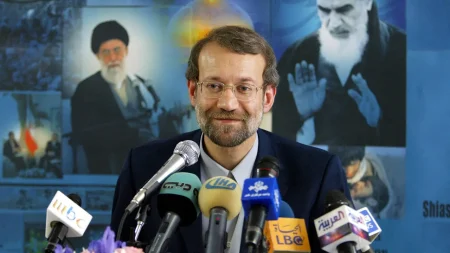
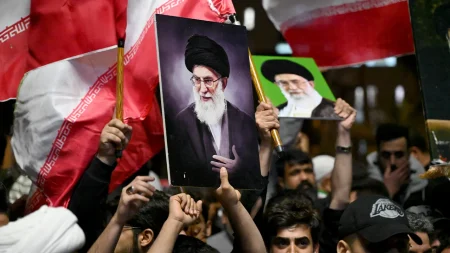
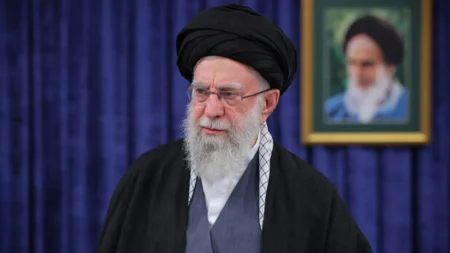
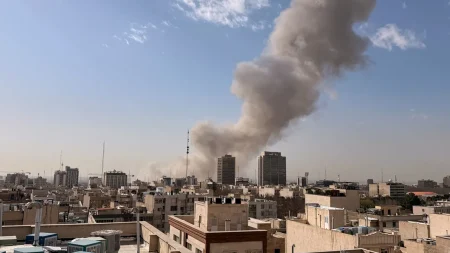
The Trump administration’s diplomatic approach to other global hotspots showed mixed results. Following U.S. and Israeli strikes on Iranian nuclear facilities, the administration focused primarily on containing escalation and reinforcing deterrence. While no formal diplomatic agreement emerged, the confrontation has not expanded into a broader regional war, though Israel recently warned that Iran might use ballistic missile drills as cover for a surprise attack. In Sudan, which remains one of the world’s deadliest conflicts, U.S. diplomacy concentrated mainly on halting fighting and expanding humanitarian access rather than pursuing comprehensive peace. By year’s end, the U.S. and Saudi Arabia presented Sudan’s army chief with a three-point proposal aimed at ending the war, facilitating aid delivery, and transferring power to civilians, though implementation remains uncertain.
Venezuela stands out as the clearest point of direct confrontation in Trump’s foreign policy, diverging from his peace-focused approaches elsewhere. Rather than pursuing de-escalation or negotiated arrangements, the administration’s stance toward Nicolás Maduro relied almost exclusively on pressure tactics. Trump continues to characterize Maduro as a criminal threat connected to drug trafficking and illegitimately holding power after rejecting election results. With diplomatic channels essentially closed, the U.S. has maintained sweeping sanctions while intensifying efforts against cartel networks linked to the regime. Though no formal peace process exists, some opposition figures and U.S. allies argue that sustained pressure could force political change in 2026 and potentially end Maduro’s rule. This approach reflects the limits of Trump’s “peace through strength” doctrine when dealing with regimes fundamentally at odds with U.S. interests, suggesting that while diplomacy remains the preferred tool, the administration remains willing to maintain pressure on adversaries it views as untrustworthy negotiating partners.