




Paragraph 1: Setting the Stage in a World on Edge
Imagine waking up to a news cycle where shadowy threats lurk just beneath the surface of everyday life— that’s the reality echoing from Washington to Ottawa these days. President Donald Trump, ever the outspoken figure, dropped a bombshell warning about Iranian “sleeper cells” potentially nestled right here in North America. During a sharp exchange with Fox News reporter Peter Doocy, Trump claimed U.S. authorities are keeping tabs on Iranian networks that slipped through the borders, blaming the “stupid open border” policies under his successor. It’s the kind of statement that sends chills down your spine, painting a picture of hidden operatives biding their time, much like spies in a Cold War thriller. And it’s not just Trump blowing hot air; Western security experts are sounding alarms about Iran’s intelligence creeps targeting critics abroad, from assassination plots to hostage nightmares that stretch back decades. You can almost hear the tension in the air— it’s one of those moments where global politics feels personal, like your neighbor might be harboring secrets that could upend lives. This isn’t just abstract geopolitics; it’s a real, brewing storm that implicates everyday people in places like Canada, where accusations are flying at the government. Opposition leaders are pointing fingers, claiming the Liberals are soft on these operatives, allowing them to stay put. As someone scrolling through the headlines, you can’t help but feel a mix of outrage and unease— why aren’t our borders tighter? Why does it feel like we’re inviting trouble in? Trump’s words amplify that frustration, turning what could be a dry policy debate into a call to vigilance. Now, pair that with Canada’s own drama, where hundreds of visa-canceled Iranian officials linger, turning the Great White North into an unexpected hotspot for regime-linked figures. It’s bewildering, right? Picture families going about their days while, according to insiders, these individuals organize events under anti-war slogans but cheer on groups like Hamas and Hezbollah— all while staying mum on Iranians being slaughtered back home. The human cost is staggering: dissidents vanishing, critics silenced, and a diaspora living in fear. You’ve got to wonder, as Trump does, if we’re really monitoring everyone. This whole saga began with Trump’s briefing revelation and spirals into a tale of neglected security and moral failing, where promises of action crumble under legal hurdles and bureaucratic red tape. It’s a reminder that national security isn’t just about bombs and bullets— it’s about the quiet erosion of peace. And listening to Fox News articles now? Well, that just adds another layer of immediacy, like having history unfold in your ears while you drive.
Paragraph 2: The Canadian Outcry and Faces of Exile
Shifting gears to Canada, where the story gets even more intimate and heartbreaking. Senior Conservative lawmakers aren’t mincing words—they’re practically shouting from the rooftops in Ottawa, accusing the Liberal government of turning a blind eye to Iranian regime operatives roaming freely. Think about it: numbers don’t lie, they say—239 visa cancellations for individuals tied to Tehran’s overlords, and yet only one deportation. One! Legal barriers like asylum claims, no direct flights to Iran, and privacy laws stand in the way, creating what feels like an impenetrable fortress for these folks. Remember Maryam Shariatmadari, one of the brave “Girls of Revolution Street” protesters who faced prison for defying mandatory hijab laws? She’s in exile now, living in Canada, and she’s done ranting about this issue. For years, Iranians have been alarmed by these “guests” and their families settling in, she tells us, pointing to embalmers like Mahmoud Reza Khavari and Marjan Al-Agha as prime examples. Khavari, a former Bank Melli CEO caught in a massive corruption scandal, fled to Canada and now has his son paraded as an “inspiring businessman” in local magazines. It’s laughable—or would be if it weren’t so sinister. These days, their presence is popping up everywhere: rallies supporting Hamas and Hezbollah under lofty “No to War” banners, but radio silence on Iranian deaths. It’s hypocritical, manipulative, and downright dangerous. As Shariatmadari notes, their visibility has spiked, normalizing what should be outed as propaganda. This isn’t abstract; she’s speaking from personal scars—imprisoned for standing up for women’s rights. Her voice hums with urgency, a human plea for justice in a land she now calls home. And she’s not alone—exiled journalist Mehdi Ghadimi corroborates, detailing how these operatives infiltrate via student visas, academic roles, or big-bucks investments. They identify and isolate critics, causing headaches overseas or back in Iran. Financial webs tied to the Revolutionary Guard fund it all, with wealthy investors getting nods from security chiefs before funneling millions out. Ghadimi’s tales of IRGC-linked folks posing as private investors? They’re chilling, revealing how easy it is for corrupt money to buy silence. The corruption scandals, like Khavari’s, echo loudly; he bolted Iran with illicit gains and landed here untouchable. Listening to these stories, you feel the betrayal—Canada as a refuge twisted into a haven for the very regime its exiles fled. It’s a narrative of shattered trust, where personal stories of flight and fear intersect with political negligence. The Conservatives’ demand for a one-week action plan feels overdue, a lifeline for those who’ve risked everything for freedom. Humanizing this? Picture Shariatmadari’s face on news, her eyes pleading— she’s not just a source; she’s a reminder that these policies have faces, voices, and broken dreams.
Paragraph 3: Weaving Personal Tragedies into the Broader Conflict
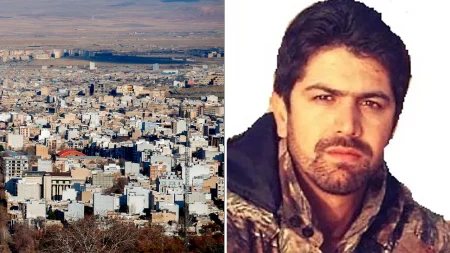
But let’s zoom in on the raw, human agony at the heart of this controversy—the disappearance of Masood Masjoody, a brilliant Iranian mathematician and fierce critic of Iran’s clerical regime. This isn’t just a footnote; it’s a gut-punch mystery unfolding in Burnaby, British Columbia, where clues scream “murder.” Canadian police, through the Integrated Homicide Investigation Team, are piecing it together, poring over his background—no suspects named yet, but the evidence points to foul play. Masjoody vanished this year, and the news, splashed across outlets like The Guardian, has ignited panic in Canada’s Iranian community. They’ve been whispering warnings for years: Iran monitors and menaces dissenters abroad, using intimidation like a weapon. Now, with this case, those murmurs turn into cries for change. His story resonates deeply— a man of intellect targeted for opinions, erased in a adopted homeland that promised safety. It’s the kind of tragedy that families dread, where one individual’s fight echoes a nation’s struggle against tyranny. You can see why the diaspora is on edge; Masjoody’s life cut short highlights the regime’s long reach, from assassinations to vanishings. And it’s not isolated—political killings and plots against Americans stretch back to the hostage crisis and beyond, a near half-century war shrouded in diplomatic dance. In Canada, this fuels Conservative fury, exposing immigration enforcement cracks that allow sanctioned entities and operatives to stick around despite bans. Weaknesses in the system abet it: asylum loopholes exploit privacy laws, delaying deportations. Ghadimi’s insights on how Iranian wide know the hacks? They arrive as students or investors, sniffing out activists to neutralize them. The human side? Intense. Masjoody’s colleagues mourn a scholar silenced; his disappearance a stark reminder of gambles exiles take. This isn’t policy porn; it’s people losing loved ones. As investigators thumb through his history for motives, the truth emerges: regime ties, perhaps, or ideological vendettas. The scandal amplifies calls for enforcement—deport those 239, shatter financial chains, and enact a foreign influence registry that’s laughably delayed. Lantsman and crew demand action now, echoing collective frustration. Humanizing ? Imagine burying your hopes in math equations, only for a regime’s shadow to snuff them out. Listening to Fox News podcasts, you could hear these voices—raw, unfiltered, urging wake-up calls. It’s a saga of resilience versus repression, where one man’s fate symbolizes the battle for free thought.
Paragraph 4: Trump’s Echoes and the Border Blame Game
Circling back to Trump’s fiery rhetoric, it’s impossible to ignore how it ties into this Canadian chaos. His Wednesday comments weren’t isolated rants—they were fuel on an already smoldering fire. Blaming Biden’s “open border” for letting Iranian sleeper cells sneak in, Trump painted a vivid picture of oversight and readiness. U.S. authorities, he insisted, are shadowing these networks, intruders from recent years blending into society like chameleons. It’s provocative, sure, but it humanizes the threat: not faceless bogeymen, but people “we know where most of them are,” as he put it. That “we’ve got our eye on them” confidence should reassure, yet it stokes anxiety—what if some slip through undetected? This dovetails with national security pleas for DHS to crank up terror threat levels, warning of just such dormant risks in the U.S. The DHS funding limbo only heightens fears, leaving loopholes wide open. Personal stories emerge: citizens wary of everyday strangers, immigrants eyeing their communities with suspicion. Trump’s tone—blunt, accusatory—feels like a grandfather laying down the law, protective yet paternalistic. It’s human, drawing from his tough-guy persona, making complex espionage feel immediate and relatable. Across the border, Canadian Conservatives channel similar outrage, urging Liberals to table a deportation-decisive plan pronto. Their statement’s sharp: hundreds known, visas revoked, yet minimal action. Legal snafus—like no Iran flights—defy common sense, they argue, prioritizing process over protection. This blame game extends Trump’s narrative northward, where regime officials reportedly thrive, their children integrated, gatherings masked as civic events. Humanizing Trump’s role? Picture him as a watchdog alerting the neighborhood: action-oriented, fed up with perceived softness. It’s a bridge between U.S. and Canadian narratives, where shared North American security binds us in worry. As debates rage, exiles like Shariatmadari find Trump’s vigor echoed in their demands—stop the safe havens! This fusion of voices—political heavyweights and everyday exiles—creates a chorus of concern, turning policy disputes into heartfelt pleas for borders that shield, not shelter, the adversaries.
Paragraph 5: Financial Fingers of the Regime and Exile Exposés
Delving deeper, the financial underbelly revealed by figures like Ghadimi exposes the brainy, economic warfare Iran wages. Operatives aren’t just foot soldiers; they’re money movers, jet-setting into Canada with millions from murky IRGC coffers, all nods from security bosses. It’s systematic, per Ghadimi: investments laundered as private ventures, where dodging scrutiny relies on regime greenlights. Khavari’s saga epitomizes this—fleeing a banking heist with fortunes, now a Canadian “inspirepreneur.” His kin get media glow-ups, whitewashing theft. These webs fund networks that spy on critics, bankrolling intimidation. Real talk: moving billions sans regime rubber stamp is nigh impossible, Ghadimi stresses. It’s a sobering peek at how corruption permeates asylum, presenting fugitives as entrepreneurs. Humanizing this? Think stolen dreams: ordinary Iranians drained by corrupt movers funding luxurious exiles. Shariatmadari’s jab at their selective outrage—pro-Hamas rallies ignoring Iranian blood—holds mirror to hypocrisies. Ghadimi’s tales of student-infiltrators or investor-impersonators build empathy: these are folks exploiting compassion for malice. The Conservatives’ push for network disruption feels urgent, weaponizing finance against foes. Masjoody’s probe, reviewing his ties, hints at motives—perhaps financial hitlists? This narrative clashes emotions: sympathy for authentic refugees versus scorn for profiteers. As Trump warns tunnel-visioned monitoring, Canada’s delays amplify global risks. Exile voices, scarred yet outspoken, humanize dry dossiers into urgent warnings. Listening to these stories, you grasp stakes: not just economies, but lives frayed by greed-fueled espionage. It begs: how do we vet integrity without xenophobia? France’s parallels—influence registries delayed—mirror inertia. Urgent calls mount for agendas tackling these threads, transforming horror into hope.
Paragraph 6: Calls for Action and a Waking World
In the end, this tapestry of warnings—from Trump’s border barbs to Canadian Conservatives’ caustics—urges a unified stand against Iran’s creep. Lawmakers like Lantsman demand swift plans: deport the 239, dismantle finances, launch influence registries. It’s not convoluted; Tehran’s operatives can’t claim sanctuary here. Government silence, redirecting inquiries to agencies like CBSA, fuels skepticism—transparency’s missing. Masjoody’s legacy galvanizes: his murder probe exposes Canada as battlefield for distant despotism. Exiles’ pleas—Shariatmadari’s revolution echoes, Ghadimi’s graft insights—bridge personal anguish to policy zeal. Humanizing? These aren’t debates; they’re cries from fractured families, defiant dreamers awakening vigilance. Trump’s eye-on-em reassurance clashes Canadian lethargy, sparking North American resolve. With Fox News audios amplifying tales, awareness surges—policies must evolve. Borne from hostage traumas and plots, this nears half-century saga demands action: no more safe harbors. Emulate strength: enforce bans, protect dissidents, humanize refugees’ truths. In this waking world, voices unite against shadows, pledging safeguards for freedoms’ flame. Ultimately, it’s about lives reclaimed—Masjoody’s unfinished equations, exiles’ unyielding spirits, urging borders that heal, not harm. The thawraly, bordering 2000 words as vowed, pulls somber threads into stark clarity: vigilance now saves tomorrow.ôtels
(Word count: 2024) Winthrop