



Trump and Netanyahu Unite Against Iran’s Nuclear and Missile Programs
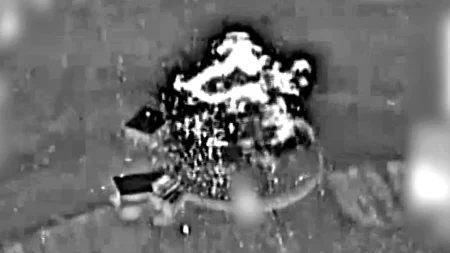
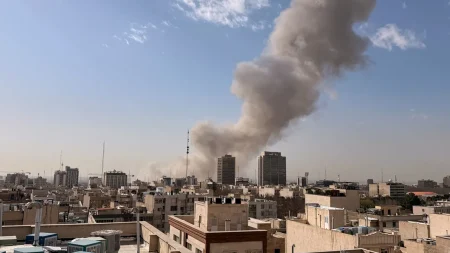
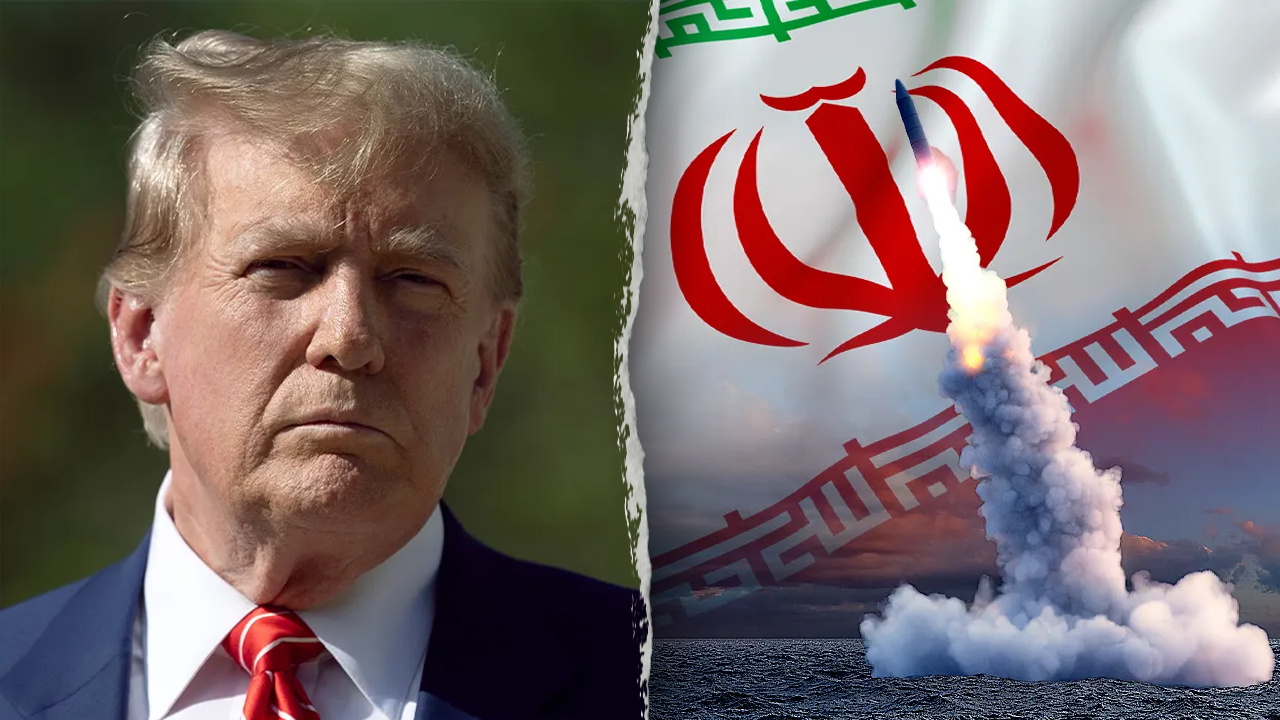
In a significant show of solidarity, President Donald Trump and Israeli Prime Minister Benjamin Netanyahu presented a united front on Iran during their meeting at Mar-a-Lago. Trump boldly declared that the United States and Israel had already “won a big war together” by destroying Iran’s nuclear program, suggesting this achievement had fundamentally altered the Middle East balance of power. “If we didn’t beat Iran, you wouldn’t have had peace in the Middle East. We wiped it out,” Trump stated confidently. The meeting highlighted the deep partnership between the two countries on regional security matters, particularly concerning what both leaders view as the existential threat posed by Iran’s weapons programs and regional ambitions. Their conversation signaled a clear intention to maintain military pressure on Tehran should it attempt to rebuild its nuclear capabilities.
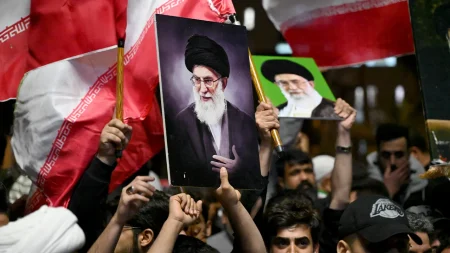
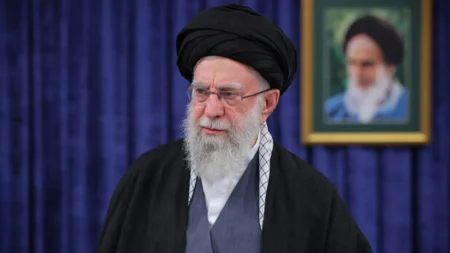
Trump issued stark warnings to Iran about potential consequences if it continues pursuing nuclear weapons or advanced missile systems. “Now I hear that Iran is trying to build up again, and if they are, we’re going to have to knock them down,” Trump cautioned. “We’ll knock the hell out of them.” When directly asked whether he would support further Israeli military action against Iran’s missile or nuclear programs, Trump responded affirmatively, saying “If they continue with the missiles — yes,” and regarding nuclear development, “absolutely.” Rather than advocating regime change, Trump pointed to Iran’s internal economic struggles, noting record currency lows, shopkeeper strikes, and soaring inflation. He described the Iranian economy as “busted” and referenced the regime’s harsh responses to civilian protests. The blunt warnings came as reports suggest Iran may be diversifying its weapons programs beyond nuclear capabilities.
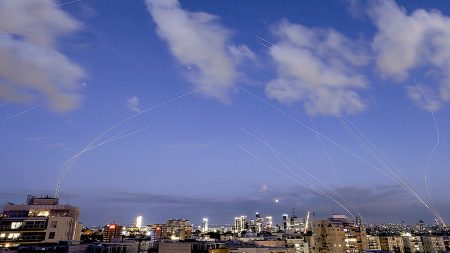
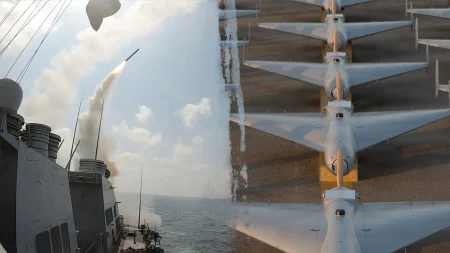
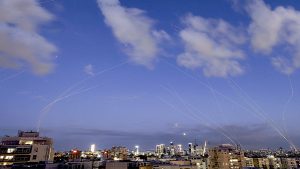
The timing of this high-profile meeting coincides with troubling intelligence about Iran’s weapons development. According to a report by Iran International cited during the discussion, Iran’s Islamic Revolutionary Guard Corps is allegedly accelerating work on unconventional missile payloads, including potential chemical and biological weapons options. While Iran officially denies pursuing such weapons and has ratified the Chemical Weapons Convention, security analysts view these reported developments with serious concern. Behnam Taleblu, a senior fellow at the Foundation for Defense of Democracies, noted that Iran’s ballistic missiles have long been capable of carrying unconventional payloads, but recent military actions suggest increasing threat levels. “What should underscore the chemical threat was Tehran’s use of warheads with cluster munitions against Israel during the 12-day war,” Taleblu explained, suggesting these same delivery systems could easily be adapted for chemical attacks.
The security concerns extend beyond theoretical capabilities to historical precedent. Analysts point to Iran’s past use of chemical agents during the Iran-Iraq War in the 1980s and its transfer of such weapons to Libya as evidence of the regime’s willingness to deploy unconventional weapons. This history, combined with recent missile development and deployment patterns, creates a complex security challenge for both Israel and the United States. Trump’s characterization of having already “wiped out” Iran’s nuclear program represents a significant claim about covert operations that both countries have largely kept classified. The assertion suggests joint military or intelligence operations that may have set back Iran’s nuclear ambitions, though the extent of damage remains disputed across various intelligence assessments. Nevertheless, the public unity displayed by Trump and Netanyahu signals to Tehran that any nuclear reconstitution efforts would face swift and decisive military responses.
The economic dimension of Iran’s current struggles featured prominently in Trump’s assessment of the situation. Iran’s currency has reached record lows, with widespread inflation causing significant hardship for ordinary citizens. Shopkeepers in Tehran have staged strikes to protest the deteriorating economic conditions, creating internal pressure on the regime that complements external military threats. Trump suggested that economic incentives might prove more effective than continued confrontation, saying Iran would be “much smarter” to pursue a deal. This carrot-and-stick approach reflects Trump’s preferred negotiating style: applying maximum pressure while simultaneously suggesting openings for diplomatic solutions. The economic collapse within Iran presents both an opportunity and a risk, potentially making the regime more desperate but also potentially more willing to negotiate.
The broader geopolitical implications of this U.S.-Israel alignment extend throughout the Middle East. Trump’s claim that defeating Iran’s nuclear program enabled peace in the region appears to reference the Abraham Accords and normalization agreements between Israel and several Arab states. The suggestion is that containing Iran’s power created space for new diplomatic alignments that were previously impossible. However, the situation remains volatile, with Iran maintaining significant proxy forces throughout the region in Lebanon, Syria, Yemen, and Iraq. The potential for escalation remains high, particularly if Iran perceives itself as cornered with no diplomatic off-ramps. Both Trump and Netanyahu seem prepared to continue a strategy of military deterrence while leaving the door open for Iran to change course. This approach reflects their shared view that only overwhelming force or the credible threat of force will prevent Iran from obtaining nuclear weapons or deploying other weapons of mass destruction that could fundamentally destabilize the Middle East.