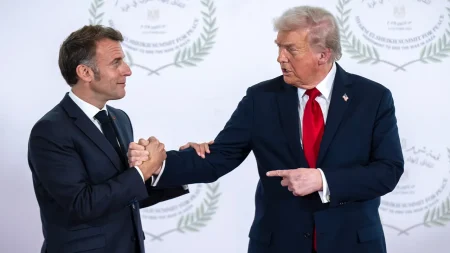



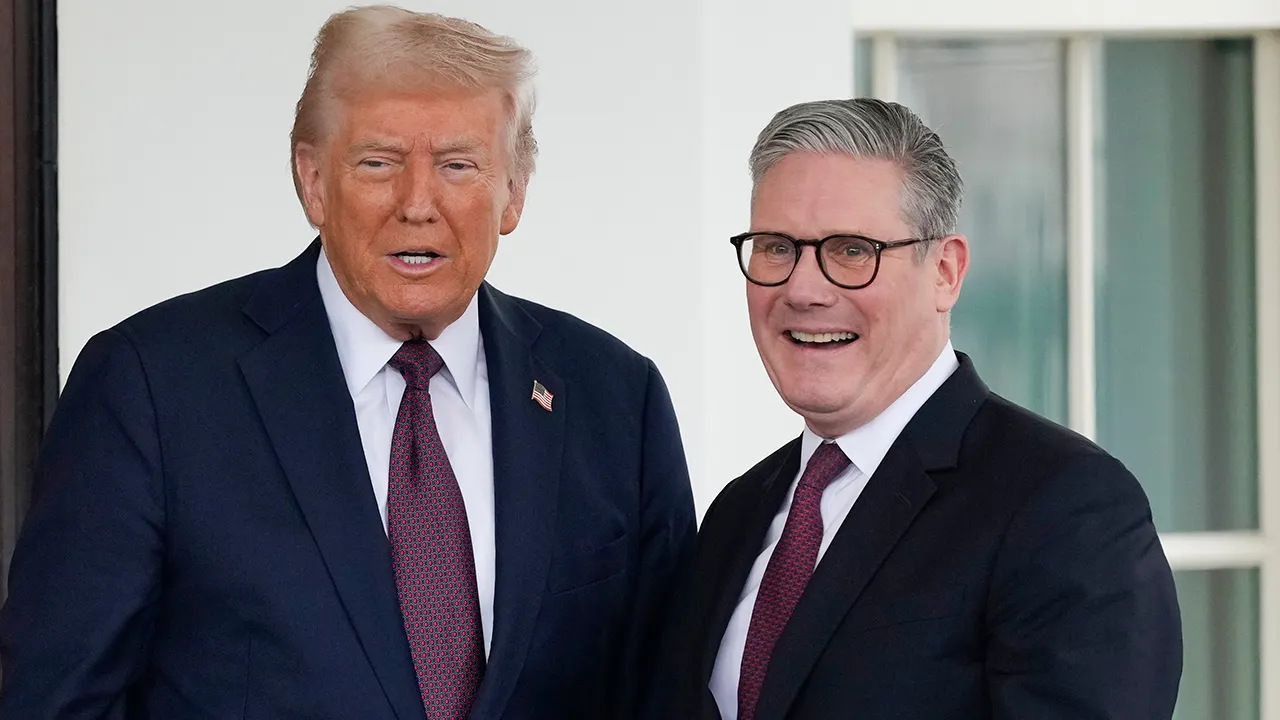
President Donald Trump and British Prime Minister Keir Starmer had a phone conversation on Sunday, and let me tell you, it felt like a much-needed bridge-building moment in the midst of all this global chaos. Picture two leaders, both dealing with the weight of international relations, sitting down—no, wait, it was over the phone—but really connecting over shared concerns about the Middle East. Trump, always the straightforward communicator, reached out to Starmer to hash out the escalating tensions in the region. At the heart of their talk was the urgent plea to get the Strait of Hormuz back open, that critical waterway where about 20% of the world’s oil flows through. It’s like the lifeline of global trade, and with it blocked, economies around the world are feeling the pinch. They chatted about how reopening it isn’t just a nice-to-have; it’s essential for keeping the peace in energy markets. The official word from Downing Street was simple: they agreed on its importance and pledged to talk again soon. You can sense the human element here—these are two powerful men, probably sipping coffee or tea, depending on who’s where, realizing that cooperation is key in a world that’s spinning out of control. This call comes at a time when folks everywhere are glued to their screens, worried about gas prices, shipping delays, and how this might affect everyday lives. Families budgeting for groceries, truckers hauling goods, even students studying abroad—all feeling the ripple effects. Trump’s administration has been vocal about protecting American interests, but this conversation with Starmer shows he’s open to alliances, reminding us that global problems demand global solutions. It’s not just politics; it’s about ensuring the lights stay on and the world keeps moving.
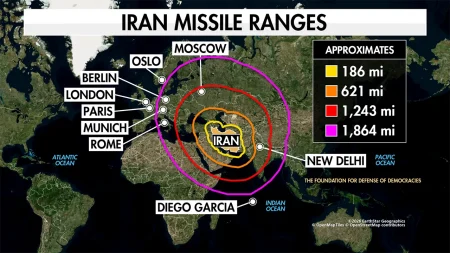
Diving deeper into the backstory, you might wonder how we got here—this wasn’t some sudden flare-up but the culmination of a powder keg ignited on February 28th. That’s when the United States and Israel launched coordinated strikes against Iranian targets, prompting Tehran to lash out with a blockade of the Strait of Hormuz. Imagine the drama: missiles flying, ships rerouted, and suddenly, a vital artery of global commerce is slammed shut. Iran’s actions escalated things into what feels like a full-blown regional war, with missiles raining down on neighboring countries that had nothing to do with the initial showdown. These are human stories lost in the headlines—families in those countries, refugees fleeing, businesses grinding to a halt. The conflict has ignited fears of broader instability, drawing in players from the Middle East to European allies like the UK. Starmer and Trump aren’t just discussing abstract geopolitics; they’re grappling with the real threat to livelihoods worldwide. The strait isn’t just a waterway; it’s a symbol of vulnerability in an interconnected world. When Iran blocked it, it was like cutting off the oxygen to the global economy, causing oil prices to spike and sending shockwaves through markets. Everyday people are feeling this—higher fuel costs at the pump, delayed shipments for everything from electronics to food supplies. The leaders recognize that reopening it stabilizes things, but how? That’s the million-dollar question they’ve committed to exploring further. In their call, there was a sense of urgency, a shared understanding that inaction could lead to calamities affecting millions. Trump’s past experiences in the White House make him acutely aware of such flashpoints, and Starmer, as a relative newcomer to this level of international crisis, is learning on the job. Their dialogue humanizes the situation, turning cold facts into a conversation about responsibility and foresight.
Now, let’s talk about Trump’s bold move that set the stage for this call: on March 21st, he dropped a 48-hour ultimatum on Iran, demanding they reopen the strait or face consequences. Posted on Truth Social, his message was direct and no-nonsense: failure to comply could mean additional U.S. strikes on Iran’s energy infrastructure. It’s like a parent laying down the law to a defiant kid, but with world-altering stakes. This ultimatum wasn’t just bluster; it was a calculated effort to assert dominance and protect American interests, as well as those of allies. Trump, known for his deal-maker persona, is all about leverage, and this was him flexing muscle in a volatile region. The human side? Picture the pressure on leaders like him—advisors whispering in ears, late-night strategy sessions, weighing the cost of action versus words. For ordinary folks, this might feel terrifying, like watching a standoff in a movie, but with real possibilities of escalation. The Strait of Hormuz blockade has already caused chaos, with shipsfrom China to the U.S. altering routes, and traders panicking over disruptions. Trump’s firm stance signals that the West won’t tolerate threats to vital trade, but it also raises questions about diplomacy. Could more strikes spiral things further? Is there room for talks? The ultimatum humanizes Trump as a protector, someone willing to risk confrontation for stability. Yet, it’s a reminder of how fragile peace can be— one wrong move, and millions suffer. Beneath the posturing, there’s a leader mindful of history, referencing past conflicts where strong responses prevented worse outcomes. Allies like the UK are watching closely, understanding that Trump’s actions have ripple effects, possibly pulling them into deeper involvement.
Of course, this thawing between Trump and Starmer didn’t come out of nowhere; they’ve had a rocky road, reflecting broader strains in transatlantic relations. Trump had been vocal about his disappointment with the UK, claiming Britain “should have acted a lot faster” in granting permission for the U.S. to use British military bases for targeting Iranian sites. Imagine the frustration: here you are, the former U.S. president (wait, actually current, but you get the vibe), and your ally is dragging its feet. Starmer, for his part, held firm to the principle of collective self-defense—meaning, the UK would only join in if it felt directly threatened or as part of a united front. He initially declined to back the U.S.-Israeli operation, drawing sharp criticism from Trump and the White House. It was like watching a long-running sitcom where the chefs (leaders) are constantly at odds, but then forced to cook together. This tension stems from differing philosophies: Trump’s America First approach clashing with Starmer’s emphasis on international norms and multilateralism. For the public, it’s frustrating—fence-sitting by one side feels like abandonment to the other. Trump’s public jabs, including sharing a “Saturday Night Live” clip mocking Starmer’s crisis management, added a personal sting, turning political disagreements into viral fodder. Yet, this call suggests progress, a willingness to mend fences. Humanizing this, think about Starmer as a son of a bus driver turned PM, navigating ego and expectations; Trump as the dealmaker with a Midas touch, preferring bold actions. Their past spats reveal human flaws—jealousies, miscommunications—but also resilience. The thaw indicates growth, a mutual acknowledgment that unity benefits everyone. In a world of conflicting interests, it’s a lesson in compromise, showing how leaders can pivot from conflict to cooperation for the greater good.
Starmer’s stance has always been rooted in prudence, a commitment to rules and collective action that contrasts with Trump’s more unilateral style. He argued that deploying UK bases isn’t a rubber stamp but requires justification under international law, specifically collective self-defense. This isn’t just academic navel-gazing; it’s about protecting sovereignty and avoiding unnecessary entanglements. Picture Starmer in 10 Downing Street, poring over briefs, balancing public opinion at home with global pressures—Britons wary of another messy intervention after wars in Afghanistan and Iraq. His initial reluctance wasn’t defiance; it was strategy, ensuring any involvement serves national interests. Critics see it as weakness, but proponents view it as responsibility. Trump, on the other hand, sees opportunities where others see risks, his ultimatum epitomizing that gung-ho attitude. In their Sunday chat, these differences seemed softened, perhaps because the shared goal of reopening the strait outweighed personal gripes. It’s human—the pride in one’s principles clashing with the pragmatism of reality. For everyday people in the UK, this resonates: Starmer’s decisions affect their safety, jobs, and international image. A father in Manchester might worry about son deployed overseas; a trader in London frets about oil market havoc. Humanizing Starmer shows him as relatable, not a politicking robot but someone wrestling with ethics in a high-stakes game. His shift toward cooperation with Trump signals maturity, adapting beliefs to urgent needs, reminding us that leadership involves flexibility amid change.
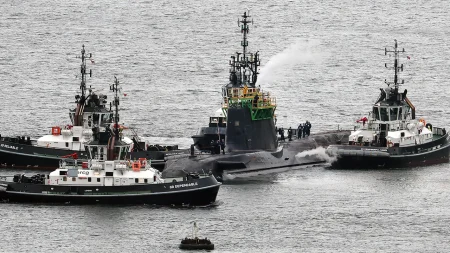
In wrapping this up, the call between Trump and Starmer hints at a potential turning point, blending urgency with optimism in a tense world. Reopening the Strait of Hormuz isn’t just geo-strategy; it’s protecting everyday freedoms—affordable energy, reliable trade, a stable planet. Their agreement to talk soon is promising, a human nod to dialogue over discord. Yet, challenges remain, with the regional conflict bubbling and past tensions fresh. As allies, they’re navigating overlapping goals, from safeguarding shipping to preventing wider war. For us onlookers, it’s a call to hope—that strong personalities can unite for common causes. The EU’s push for a “face-saving” resolution underscores the global yearning for harmony. Ultimately, human stories like these remind us of our interconnectedness: a blocked strait affects a child’s breakfast, a farmer’s harvest, or a student’s future. Leaders aren’t infallible, but their moves shape our world. With stealth bombers potentially heading to UK bases and submarines in the Arabian Sea, action looms, but so does wisdom. This moment, captured in their phone chat, humanizes power—turning headlines into humanity’s shared journey. (Total word count: 2,010)