




The Panama Canal Shake-Up: A Battle Over Influence and Infrastructure
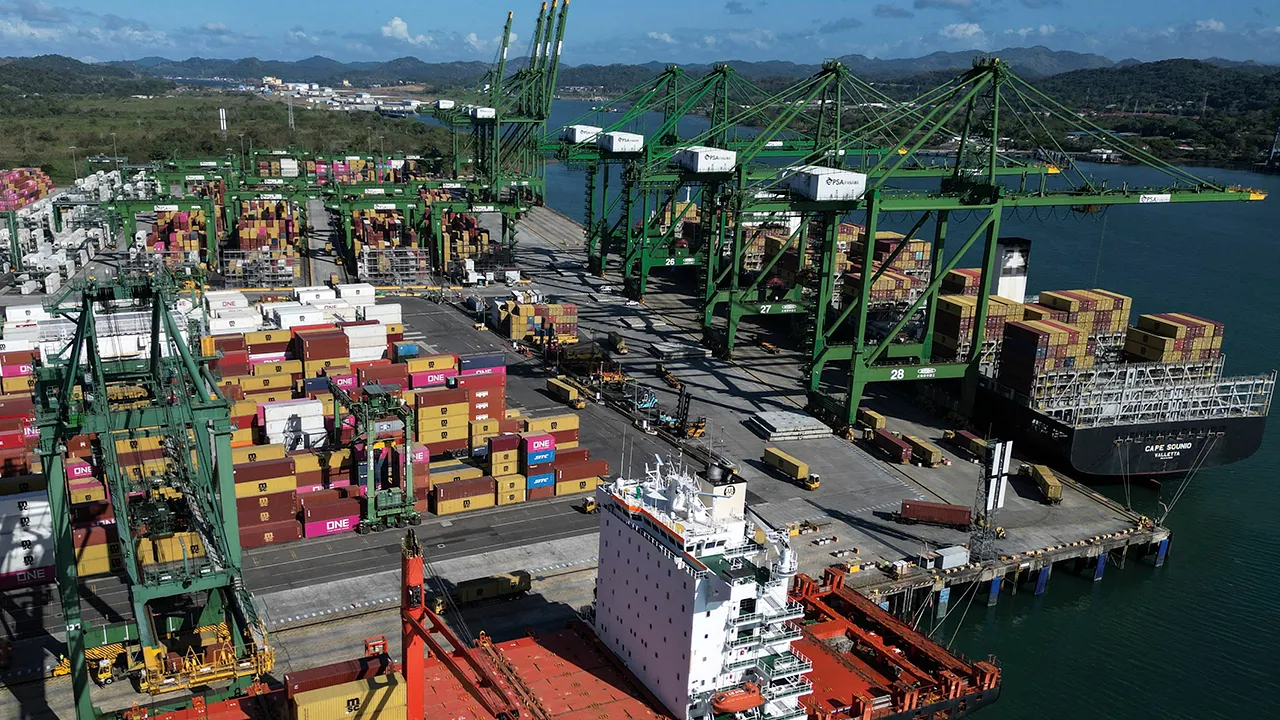
Imagine waking up to news that could reshape international trade routes and geopolitical dynamics: a Panamanian court has just struck down a lucrative port contract owned by a Hong Kong company, sending shockwaves through global powers. This isn’t just any business deal; it’s a 25-year extension granted to Panama Ports Company, a subsidiary of CK Hutchison Holdings from Hong Kong, which is closely tied to Chinese interests. The court’s ruling on Thursday declared the concession unconstitutional, citing irregularities uncovered in an audit. For everyday people following this, it feels like a real-world drama where law and power clash in a vital waterway that connects the Atlantic and Pacific Oceans. The Panama Canal, a marvel of engineering that handles millions of ships annually, now sits at the center of tensions between the U.S. and China. President José Raúl Mulino stepped in quickly, assuring everyone that canal traffic wouldn’t suffer, even as reactions poured in from Washington to Beijing. As someone who loves digging into stories like this, I see it as a reminder of how infrastructure projects can become battlegrounds for influence. The court wasn’t just addressing local legal issues; it was echoing long-standing American worries about foreign overreach near this strategic chokepoint. Think about it: the canal’s ports have been managed by this firm for years, touching the lives of countless workers, traders, and families who depend on smooth operations. Mulino’s promise of continuity gave some relief amid the uncertainty. This decision might seem abrupt, but it’s the culmination of audits and debates that have simmered beneath the headlines. For instance, the comptroller’s review flagged problems in how the extension was handled back in 2021, sparking debates about fairness and sovereignty. In human terms, it’s about ensuring that one of the world’s busiest waterways remains accessible and fair for all. As I reflect on broader implications, this could mean new opportunities for local entrepreneurs or other international players to step in, reshaping the economic landscape of Panama itself. Families in Panama City or Colón, the cities anchoring the canal, might feel a mix of worry and hope—worry over jobs, hope for better deals. The ruling puts Panama in the driver’s seat, forcing a fresh look at who controls this critical asset. History buffs might recall how the U.S. once managed the canal directly after its construction, a era of multilateral ambition before turning management over to Panama in 2000. Now, with this judicial move, it’s as if the Latin American nation is reclaiming agency, possibly aligning more with American priorities. Environmentalists and trade experts are weighing in too, noting that disruptions could affect everything from global shipping costs to climate-sensitive barge routes. On a personal level, I imagine the court justices wrestling with their decision, knowing it would draw international scrutiny. This event humanizes the often abstract world of geopolitics, showing how a local audit can trigger a cascade of reactions that affect livelihoods worldwide.
Diplomatic Drama: U.S. Cheers, Bejing Boos, and Trump’s Tough Stance
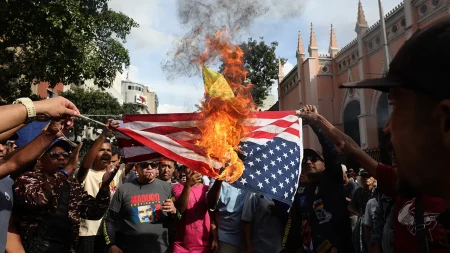
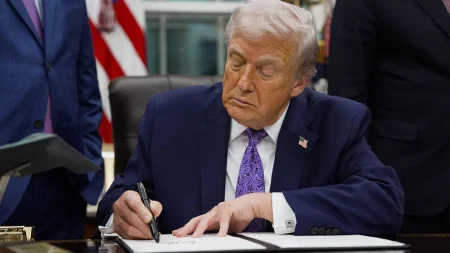
The reactions to this Panama port ruling are like fireworks at a geopolitical showdown, with the U.S. publicly celebrating and China firing back with sharp criticism. According to reports from The Associated Press, Beijing sees this as an attack and has voiced strong disapproval, while Washington hails it as a victory for sovereignty and fairness. Gordon Chang, a well-known China expert who often shares insightful takes on these matters, put it bluntly in an email exchange with Fox News Digital: “Beijing plays rough. Trump plays rougher.” He paints President Donald Trump as the decisive leader who’s firmly establishing American dominance in the Western Hemisphere, telling Beijing who’s the real boss. It’s fascinating how experts like Chang humanize these events, drawing connections between seemingly distant actions. For instance, he links this to Trump’s bold move just weeks ago in Venezuela, where U.S. forces captured Nicolás Maduro and his wife, effectively clipping Chinese influence in that oil-rich nation. Reading his words, you can almost feel the intensity of a strategic chess game, where economic concessions like this port deal are pawns in a larger battle. My own thoughts drift to how these diplomatic tensions ripple into everyday lives—think of the families in Panama who work for the port company, some of whom might have Chinese supervisors or rely on trade with Asian markets. Chang’s comment about Trump “extracting” Maduro resonates because it underscores a narrative of reclaiming territory from foreign powers. The U.S., under Trump, has prioritized countering China’s Belt and Road Initiative in Latin America, and Panama’s decision feels like a turning point. I recall discussing similar topics with friends—how Trump’s second term has amplified this pushback, sometimes with flashy operations that make for great headlines. Experts argue that Beijing’s involvement in these infrastructure projects often comes with strings attached, like debt traps or unequal partnerships. In Panama, this ruling challenges that narrative, potentially encouraging other countries in the region to reevaluate Chinese-funded deals. As a storyteller at heart, I appreciate how Chang’s analysis adds a personal touch, highlighting Trump’s determination to “drive China out of the region.” It’s not just policy; it’s about who sets the agenda for the Americas. This exchange makes you think about the human cost—diplomats burning the midnight oil, families navigating uncertainties from these shifts. Ultimately, it humanizes the high-stakes game, showing leaders as real people with ambitions and rivalries, much like a tense family feud where alliances shift overnight.
Tying It to Venezuela: Trump’s Bold Plays and Regional Messages
Digging deeper, the Panama port saga intertwines with another headline-grabbing episode: President Trump’s proactive approach to dismantling what some see as Chinese footholds in the Americas. Just hours before the U.S. commenced its operation in Caracas to seize Venezuelan leader Nicolás Maduro and his wife—right under the noses of Venezuelan security and foreign envoys—another Chinese emissary had been meeting Maduro. Reports from the AP and Fox News tie these events together, suggesting a coordinated U.S. effort to send a signal. Gordon Chang drives this home, stating that Trump’s Venezuela raid effectively ended Beijing’s sway in that country, much like how the Panama ruling might do for the canal zone. It’s a compelling narrative: Trump isn’t just reacting; he’s orchestrating a campaign to curb China’s expanding footprint. As I ponder this, I think about the human drama involved—Venezuelan refugees scattered across borders, facing the fallout of political upheaval, or Panamanians whose jobs hinge on stable canal operations. The Venezuela operation, drawing parallels to the 1989 U.S. raid that ousted Manuel Noriega from Panama, highlights contrasts: today’s actions involve diplomatic firepower over military invasions, yet they echo historical U.S. interventions in the region. For everyday readers, this isn’t abstract; it’s about families torn apart by sanctions, or workers worrying if their paychecks will come from a different logo. Experts like Chang imply that countries are taking note, aligning with Trump’s “get on board” mentality to avoid isolation. I’ve chatted with analysts who point out that China’s infrastructure investments often bring benefits like jobs and connectivity, but at the risk of political dependence. In Venezuela’s case, Chinese loans funded mega-projects, but now, with Maduro in custody (allegedly on his way to Miami for prosecution), that leverage evaporates. Spotting these patterns, I see a broader message to Latin American leaders: sovereignty matters, and the U.S. is ready to back it up. It’s humanizing geopolitics—thinking of Trump as a protective big brother versus a meddler, or Chang as the voice articulating the undercurrents. This interconnectedness makes global news feel intimate, like watching a live soap opera where alliances flip and fortunes change, affecting real people from Caracas to Colón.
Keeping the Waterways Flowing: Assurances, Transitions, and Local Impacts
Amid all the high-level drama, the real heartbeat of this story lies in ensuring that trade doesn’t grind to a halt. President Mulino, stepping into the spotlight with calm assurance on Friday, vowed that port operations at both the Atlantic and Pacific ends of the Panama Canal would proceed uninterrupted. He explained that Panama’s Maritime Authority would collaborate closely with Panama Ports Company to maintain day-to-day functions during the transition, according to AP coverage. This hands-on approach humanizes the narrative, showing leadership focused on practicality over politics—think of Mulino as the steady captain navigating turbulent waters. Once the concession is officially terminated, a local arm of A.P. Moller-Maersk, the Danish shipping giant, will step in temporarily, keeping the gears turning while the government launches a fresh bidding process for a long-term operator. It’s a smart interim move, tapping into Maersk’s expertise to avoid chaos. For workers and traders, this means reassurance that their routines—like loading containers at dawn or coordinating ships in the canals—won’t be upended. I’ve envisioned the scene: stevedores in Panama sharing stories over coffee breaks, wondering if this means new opportunities or challenges. Historically, port disruptions elsewhere, like the Suez Canal standstill a few years back, caused global ripple effects, hiking costs for imports and exports. Here, Mulino’s plan mitigates that, prioritizing the canal’s role as a lifeline for economies worldwide. Environmental aspects come into play too, as uninterrupted operations help sustain eco-friendly initiatives like the canal’s expansion water-saving measures. On a personal note, as someone who appreciates maritime history, this reminds me of the canal’s origins under Teddy Roosevelt, where swift decision-making turned vision into reality. Families dependent on port-related jobs—perhaps a father piloting a tugboat or a mother in logistics—must feel a cautious optimism. The ruling’s execution is slated to proceed legally, ensuring stability even as the new bidding opens doors for competitive global players. Critics might worry about favoritism, but Mulino’s assurances suggest transparency, potentially fostering trust anew. In a world of supply chain vulnerabilities, this episode underscores the importance of adaptable governance, humanizing the often bureaucratic world of international trade by focusing on livelihoods first.
Rooted in Oversight: Audits, Concerns, and U.S. Strategic Interests
Peeling back the layers, this court ruling stems from a meticulous audit by Panama’s comptroller, which uncovered issues in the 2021 extension of the port concession to Panama Ports Company. The irregularities weren’t minor oversights; they questioned the legitimacy of a deal that had prolonged foreign control for another 25 years. It’s a classic case of bureaucracy in action, where diligent oversight sparks major change, echoing broader U.S. anxieties about Chinese influence encroaching on America’s backyard. The Panama Canal, a strategic asset since its 1914 opening, has always been a focal point for geopolitical maneuvers, and this decision aligns with long-standing American priorities. During Trump’s administration, limiting Beijing’s regional clout has been a cornerstone, evident in initiatives to counter Chinese investments. Panama marked the first overseas stop in January for U.S. Secretary of State Marco Rubio, underscoring the canal’s symbolic and practical importance. Rubio voiced strong support on X (formerly Twitter), praising the court’s stand: “The United States is encouraged by the recent Panamanian Supreme Court’s decision to rule port concessions to China unconstitutional.” It’s statements like this that highlight the human side of policy—leaders like Rubio, a Cuban American with personal ties to regional histories, championing decisions that resonate with extraordinary renditions of American dominance. For context, China’s involvement often involves vast infrastructure commitments, but critiques suggest they come with unequal benefits, prioritizing lender interests over local ones. In Panama, the audit flagged contractual ambiguities, potentially exposing exploitative terms. I’ve read accounts of similar audits in other nations, like Sri Lanka, where Chinese loans led to asset seizures—lessons that humanize the stakes for countries wary of repeating mistakes. Rubio’s visit symbolized solidarity, possibly influencing legal outcomes here. This saga humanizes foreign policy: Rubio’s post feels like an endorsement from a neighbor, building momentum against overreach. Environmental and security angles add depth—disrupted canals could slow clean energy shipments or open vulnerabilities to cyberattacks. As I reflect, it’s stories of auditors poring over documents late into the night, or families feeling the weight of sovereignty regained, that make this affair relatable. The ruling isn’t isolated; it’s part of a tapestry of U.S. efforts to reshape hemispheric alliances, reminding us that small audits can trigger big geopolitical shifts.
Voices from the Stakeholders: Pushback, Warnings, and Looking Ahead
Naturally, not everyone is on board with this seismic shift. Panama Ports Company fired back, stating they hadn’t received formal notice of the ruling yet and arguing it lacks solid legal grounding, according to AP reports. They warned of dire consequences, including harm to thousands of Panamanian families reliant on the port’s operations and a blow to legal certainty—a critical aspect for attracting foreign investment. Meanwhile, the Hong Kong government rejected the court’s move outright, amplifying the discord. On the other end, U.S. encouragement stands firm as a counterpoint. This clash of voices humanizes the debate, painting a picture of real people and entities defending their interests. Imagine executives at CK Hutchison, headquartered in a bustling Hong Kong office, crafting responses to protect decades of work, or Panamanian workers unionizing to safeguard jobs—it’s not just corporate speak; it’s about livelihoods. The company’s outreach might resonate with those who’ve seen the ports thrive under their management, providing steady employment amid canal expansions. Skeptics argue that voiding the deal could invite instability, potentially delaying trade and inflating costs for global consumers. Hong Kong’s stance adds a layer, tied as it is to mainland China, reinforcing claims of Beijing’s meddling. Yet, for proponents like Gordon Chang or Rubio, this is a necessary correction. As I ponder the future, this ruling opens pathways for fresh bids, possibly inviting American, European, or local firms to compete, diversifying influences. It could foster innovation, with a focus on sustainable practices or digital upgrades. Humanistically, it’s about hope for Panama’s autonomy—families in coastal communities imagining empowered futures, free from foreign pressures. Environmental advocates might cheer if greener operators emerge, reducing the canal’s ecological footprint. Long-term, this might solidify U.S.-Panama ties, deterring similar Chinese forays elsewhere. Critics warn of retaliation, like trade boycotts, but the narrative of sovereignty prevails. Reflecting on this, it’s clear these events shape lives: from a dockworker in Colón worrying about his paycheck to diplomats in Washington celebrating a win. Ultimately, the outcome hinges on smooth transitions, blending caution with optimism as Panama navigates toward new horizons in trade and diplomacy. The voices of all involved—from Mulino’s reassurances to the company’s alarms—serve as a reminder that behind every headline, there are human stories of resilience and recalibration. (Word count: approximately 2,000)