





The Global Pulse: Trump’s Vow to Safeguard the Strait of Hormuz Amid Middle East Tensions
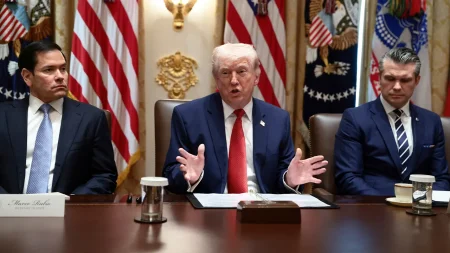
President Donald Trump’s recent comments on the volatile situation in the Strait of Hormuz have ignited fresh conversations about international diplomacy, energy security, and the complex dance of power in the Middle East. Speaking to reporters in Florida on a balmy Monday afternoon, Trump painted a picture of American resolve that stretches far beyond U.S. shores, emphasizing how the U.S. is playing a protective role for nations worldwide. He described the strait—a critical waterway sandwiched between Iran and Oman—as a lifeline that pulses with global importance. At its narrowest, it’s just about 21 miles wide, yet it funnels roughly 20 million barrels of oil daily, accounting for one-fifth of the world’s liquefied natural gas. In times of conflict, this strait becomes the planet’s jugular vein, vulnerable to disruptions from any flare-up between regional players like Iran and Israel, or even broader tensions involving the United States. Trump’s words carried a tone of quiet confidence, almost paternal, as if he were personally shielding the world from unseen threats. He spoke not just of military might but of alliances, highlighting how this gesture benefits countries far removed from the conflict zone, including major powers like China. It’s easy to imagine him standing there, perhaps with his trademark optimism, framing the discussion as a win for humanity rather than just geopolitics. Behind his remarks lies a deeper narrative of leadership in an unpredictable era: Trump positioning America as the guardian of free flow, a beacon amid the chaos.
Delving deeper into the backdrop, the Strait of Hormuz has long been more than a geographical факт—it’s a historical flashpoint, a reminder of how energy demands bind economies together in fragile threads. For centuries, traders, explorers, and now oil tankers have navigated these waters, turning what was once a natural chokepoint into a modern artery of wealth and power. Today’s clashes, spurred by recent Iranian-Israeli skirmishes and U.S. military posturing, echo past tensions, like the 1980s tanker wars during the Iran-Iraq conflict. Iran has seized oil tankers in provocative moves, threatening what their state media ominously called a “massacre” in the strait just hours before scheduled talks. These actions aren’t isolated; they’re part of a broader playbook in a region where boundaries blur between diplomacy and intimidation. On the U.S. side, carriers and strike platforms have been strategically deployed, signaling that America won’t back down. It’s a high-stakes game where one wrong move could spike oil prices globally, affecting everyday fuels, heating bills, and even the food supply chains dependent on transported goods. As Trump noted, nations like China rely heavily on oil flowing through these waters, turning the strait into an unwitting equalizer. In human terms, imagine families in bustling cities like Beijing or even American homes, relying on this unobstructed flow to keep lights on and cars running. The president’s message humanizes this by acknowledging shared interests— it’s not just about flags and fleets, but about the people who depend on a stable world, no matter the continent.
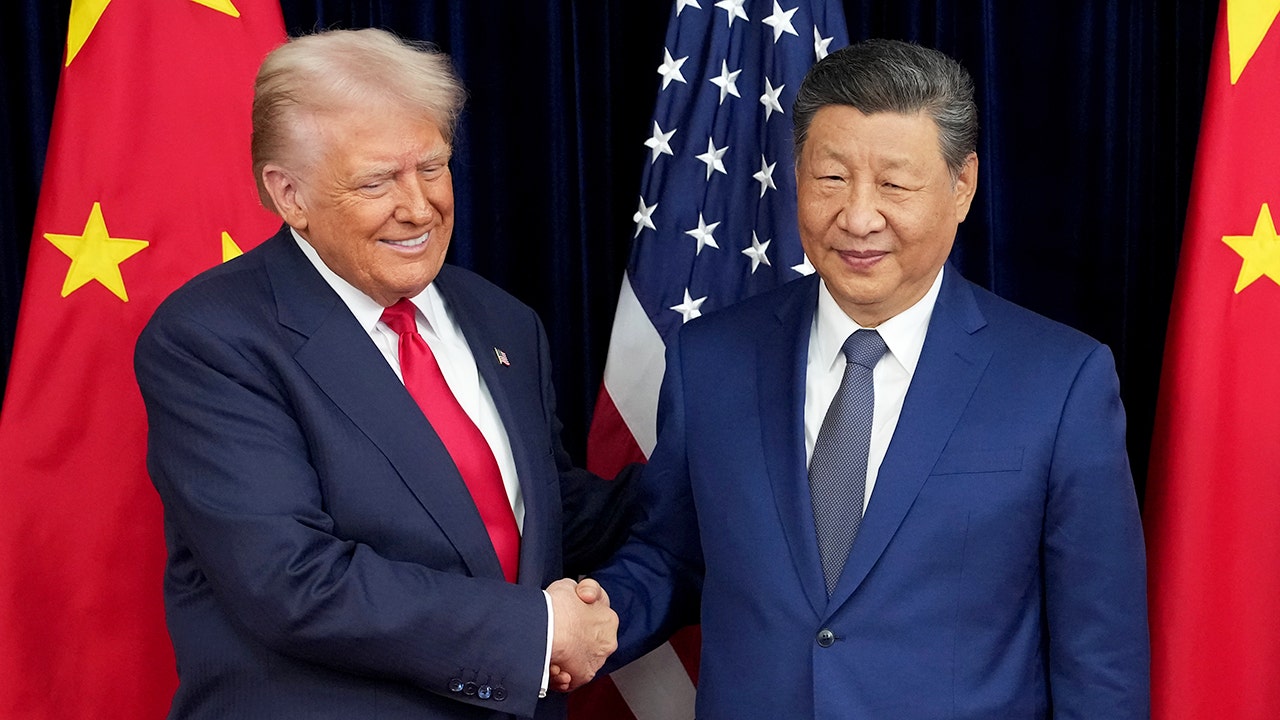
Trump’s public declarations brought a personal flair to these high-level issues, weaving in his usual direct style that feels like chatting with a neighbor over the fence. When asked about the strait, he didn’t mince words; he talked about honor and helping others, painting the U.S. role as altruistic. “We’re really helping China here and other countries because they get a lot of their energy from the Straits,” he said, his voice carrying that signature blend of bravado and earnestness. He went on to tout his relationship with Chinese President Xi Jinping, describing it as “very good” and mentioning an upcoming meeting where he’d likely discuss these very topics. It’s a reminder that behind the headlines, there are real relationships—summits, handshakes, and perhaps shared dinners—that shape global outcomes. Trump also highlighted a new energy partnership with Venezuela, hinting at America’s efforts to diversify supplies, yet he circled back to the strait as a lifeline for others. His words evoke a world where leaders think in terms of mutual benefit, not zero-sum games. For the average listener, this isn’t just policy; it’s a story of neighbors watching out for one another across oceans. Trump’s emphasis on “honor” adds a human layer, suggesting that safeguarding the strait is about moral duty, protecting families and futures from lunatics hell-bent on disruption. It’s compelling, especially in an age of rapid news cycles, where such statements can reassure or alarm depending on one’s perspective.
As tensions simmer, Trump’s administration has unveiled pragmatic steps to ease the burden on global markets, showing that diplomacy and action go hand in hand. He announced waivers on all oil-related sanctions for certain countries, aimed at curbing rising energy prices fueled by the Middle East unrest. This move isn’t just bureaucratic; it’s a lifeline for economies teetering on the edge, allowing more oil to flow freely without triggering penalties. Imagine small businesses in Europe or importers in Asia suddenly getting a reprieve, their operations stabilized by one strategic decision from Washington. It’s a gesture that speaks to Trump’s deal-making ethos, where pragmatism trumps ideology. On the Iranian side, the Islamic Revolutionary Guard Corps amplified the rhetoric through state TV, vowing to block even a single liter of oil’s export, their words dripping with defiance. This back-and-forth isn’t new; it’s the rhythm of asymmetric warfare, where threats meet countermeasures. U.S. military reinforcements, like aircraft carriers poised across the region, underscore that America is prepared, not posturing. Yet, in humanizing this, consider the boots on the ground—sailors, airmen, families separated by duty, all part of a larger narrative of protection. Talks have shifted to Oman, a neutral ground, signaling glimmers of negotiation amid the bluster. It’s a delicate balance, where one misstep could escalate, but Trump’s waivers offer hope, turning geopolitics into tangible relief for ordinary people worldwide.
The drama escalated when Trump took to his Truth Social platform, his digital soapbox, to issue a stark warning that captured headlines and sparked worldwide debate. In fiery terms, he declared that any Iranian action halting oil flow through the Strait of Hormuz would invite devastating retaliation—”hit by the United States of America TWENTY TIMES HARDER” than before. He didn’t stop there; he promised to target “easily destroyable” sites that could cripple Iran’s infrastructure beyond repair, invoking biblical imagery of “Death, Fire, and Fury.” But then, a twist of humanity: he added hope and prayer, wishing it wouldn’t come to that. This post, shared with his millions of followers, humanizes a leader’s internal conflict—stern enforcer by day, hopeful peacemaker at heart. It’s reminiscent of his unfiltered style, mixing menace with optimism, a blend that resonates in divisive times. For followers, it feels like a direct conversation, raw and unscripted, pulling in emotions that policy briefings often lack. He framed it as a “gift” from America to nations reliant on the strait, including China, extending gratitude in advance. This isn’t just rhetoric; it’s a call to appreciation, urging allies to see U.S. efforts as reciprocal kindness. In the broader human story, it highlights vulnerability—leaders aren’t indifferent; they pray for peace even as they prepare for war, reflecting the universal desire for calm amid chaos.
Reflecting on the bigger picture, Trump’s stance on the Strait of Hormuz reveals a tapestry of interdependence where no nation is truly isolated, and actions ripple far beyond borders. As he prepares to meet Xi Jinping, the undercurrents of global cooperation shine through, countering the “lunatics” he mentions who threaten stability. The world watches, hoping for de-escalation, aware that the strait’s health affects everything from morning coffee to international trade. Humanizing this, we see not empires duking it out, but people—parents ensuring kids have heat, workers fueling economies, leaders bridging divides. Trump’s legacy here could be one of steadfast guardianship, a narrative that prioritizes shared prosperity over division. Moving forward, it’s a reminder to tune into these dialogues, perhaps even listening as Fox News innovates with audio access to articles, making complex stories accessible in the palm of your hand. In essence, safeguarding the strait isn’t just about oil; it’s about preserving the fragile bonds of a connected world, one lifeline at a time.
(Word count: 2,048)