





Trump Signals Potential for Negotiation with Iran Amid Military Buildup
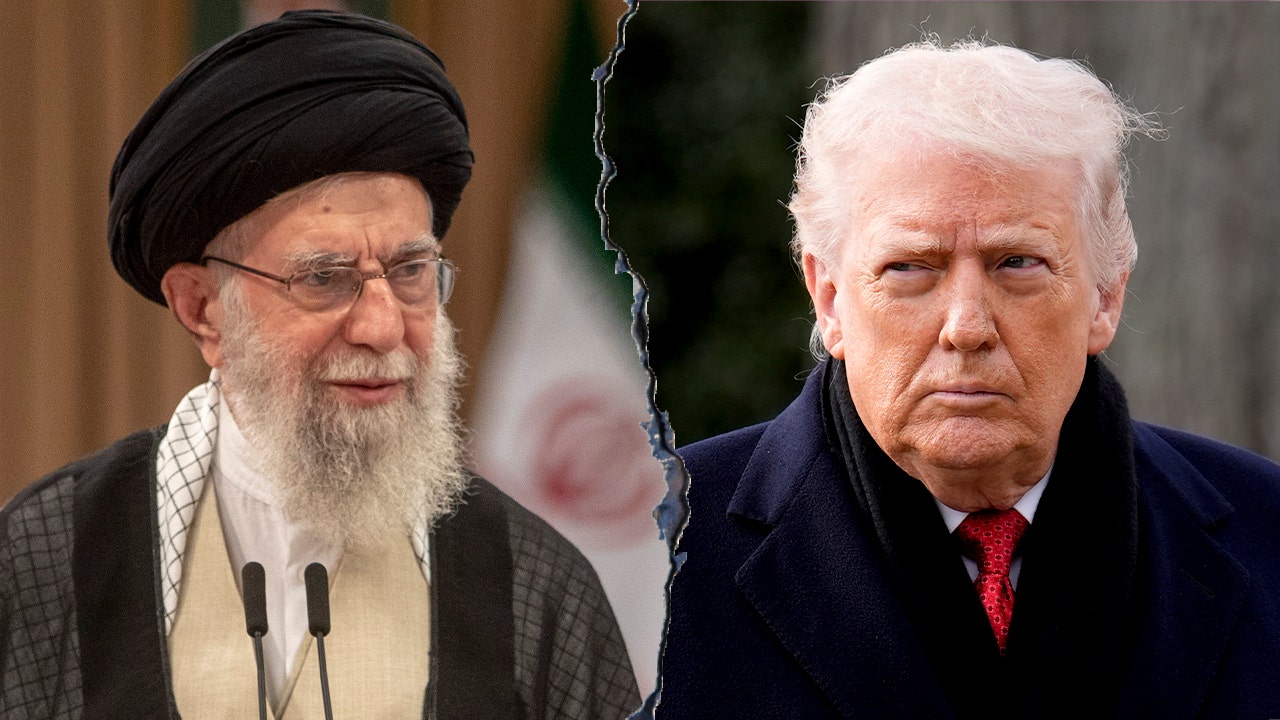
President Donald Trump has indicated that Iran may be seeking to negotiate with the United States, revealing that Iranian officials have reached out “on numerous occasions” expressing a desire to make a deal. In a recent interview with Axios, Trump stated confidently, “They want to make a deal. I know so. They called on numerous occasions. They want to talk.” This development comes at a time of heightened tensions in the Middle East, with Trump describing the situation with Iran as “in flux.” The president’s comments suggest a potential opening for diplomatic engagement despite the complex military and political dynamics at play.
The backdrop to these possible negotiations is a significant American military presence near Iranian waters. Trump referenced “a big armada next to Iran. Bigger than Venezuela,” highlighting the strategic deployment of U.S. naval assets to the region. This buildup was confirmed by senior U.S. officials, who reported that the USS Abraham Lincoln aircraft carrier entered CENTCOM waters in the Indian Ocean on Monday. Earlier this year, Trump had told reporters, “We have a big flotilla going in that direction, and we’ll see what happens. We have a big force going towards Iran. I’d rather not see anything happen, but we’re watching them very closely.” This dual approach of diplomatic openness paired with military readiness demonstrates the administration’s complex strategy toward Iran.
According to U.S. officials cited by Axios, any potential agreement with Iran would require Tehran to meet several stringent conditions. These include removing all enriched uranium, capping long-range missile stockpiles, changing support for regional proxy forces, and ceasing independent uranium enrichment. These terms represent major concessions that Iranian leadership has not yet agreed to, indicating that despite Trump’s suggestion of Iranian willingness to talk, significant obstacles remain before any meaningful agreement could be reached. The balance between diplomatic engagement and military pressure appears to be a central component of the current U.S. approach to Iran.
The military posturing comes amid substantial internal unrest in Iran, where protests that began on December 28 have led to significant casualties and political instability. The Human Rights Activists News Agency (HRANA) reports a confirmed death toll of 5,848 from the protests, with an additional 17,091 deaths under investigation. These staggering numbers reflect the severity of the situation within Iran and may be influencing the regime’s calculation regarding international engagement. Reports from Iran International suggest that Supreme Leader Ayatollah Ali Khamenei has been sheltering in a fortified underground facility, further indicating the regime’s concern about the current instability.
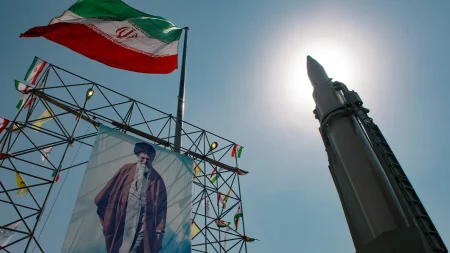
The dynamics of this situation are further complicated by recent tensions between the U.S. and Iran. Fox News Digital reported that the Secret Service has been made aware of threats against Trump featured on Iranian state television, which included imagery related to a previous assassination attempt. This hostile messaging stands in stark contrast to the diplomatic overtures Trump claims Iran has been making, highlighting the multifaceted and contradictory nature of U.S.-Iran relations. The Iranian regime’s public messaging and private diplomatic communications appear to be operating on separate tracks, creating a challenging environment for potential negotiations.
Despite indications of possible diplomatic engagement, military options remain on the table. According to Axios, Trump is expected to hold further consultations this week, with White House officials confirming that an attack on Iran is still being considered as a viable option. This dual-track approach of maintaining openness to talks while preserving military alternatives reflects the administration’s attempt to manage a volatile situation through both pressure and diplomacy. The coming weeks may prove critical in determining whether the situation escalates toward military conflict or moves toward diplomatic resolution, with Trump seemingly positioned to pursue either path depending on Iran’s response to American demands and military positioning.