





Trump Predicts Cuba’s Imminent Collapse Following Maduro’s Capture
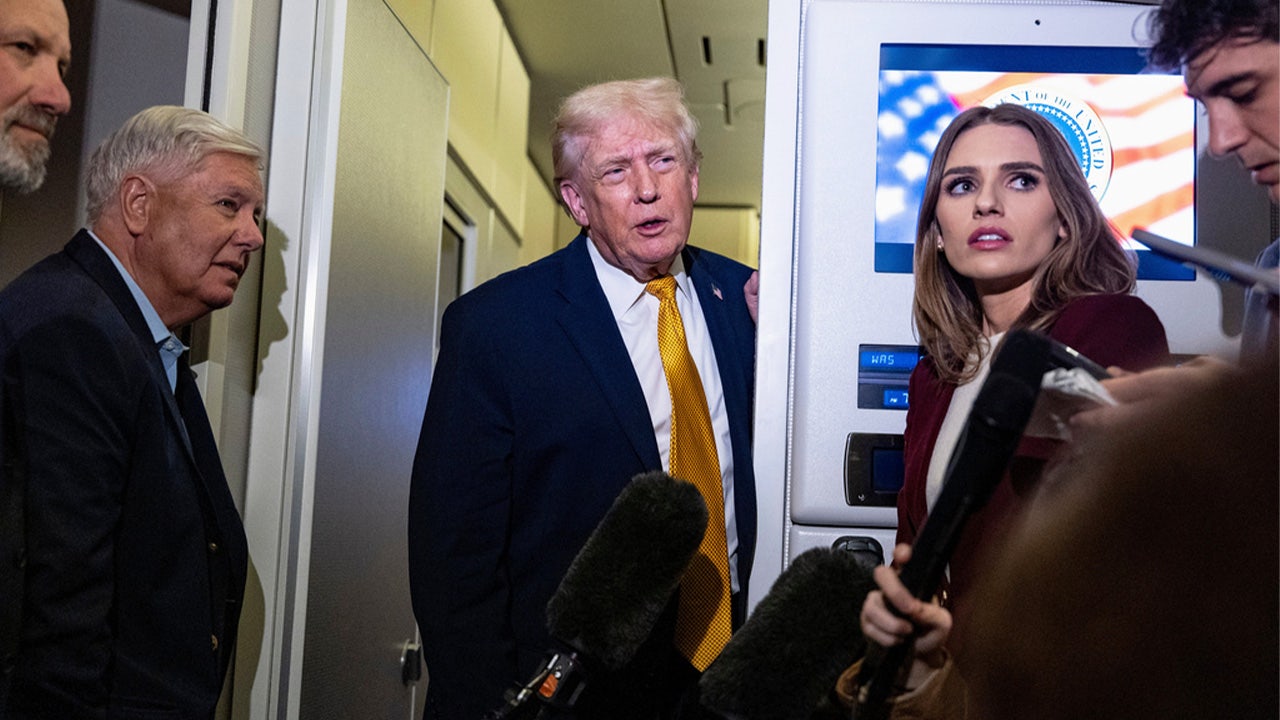
President Trump has made a bold prediction about Cuba’s future in the wake of Nicolás Maduro’s capture by U.S. forces, suggesting the island nation is “ready to fall” without its Venezuelan ally’s support. Speaking to reporters aboard Air Force One late Sunday, Trump painted a picture of a domino effect in the region, where Cuba’s stability has been directly linked to Venezuela’s ability to provide security and oil resources. “I think it’s just going to fall. I don’t think we need any action. Looks like it’s going down. It’s going down for the count,” Trump stated, implying that direct U.S. intervention might not be necessary to bring about change in Cuba. This assessment comes as the Caribbean nation reels from the capture of Maduro and his wife, who face narco-terrorism conspiracy charges in the United States. The operation has created significant diplomatic tremors throughout Latin America, with Cuban officials organizing rallies in support of Venezuela and condemning what they view as an American violation of sovereignty.
The relationship between Cuba and Venezuela extends beyond mere political alliance, according to U.S. officials who claim Cuban security forces were instrumental in maintaining Maduro’s grip on power. Secretary of State Marco Rubio highlighted the depth of this connection, noting that “It was Cubans that guarded Maduro. He was not guarded by Venezuelan bodyguards. He had Cuban bodyguards.” This security arrangement apparently came at a significant cost during the American operation, as Cuba’s government acknowledged that 32 of their military and police officers were killed during the action. In a rare public admission, Cuban state media reported these officers had been deployed at Venezuela’s request and announced two days of national mourning to honor their fallen personnel. President Trump confirmed these casualties while returning to Washington, stating, “A lot of Cubans were killed yesterday. There was a lot of death on the other side. No death on our side.” This acknowledgment underscores just how intertwined the two nations’ security apparatuses had become.
The ripple effects of Maduro’s capture extend beyond Cuba, with Trump also directing pointed criticism toward Colombia and its leadership. In unusually harsh language, he accused Colombia of being “very sick, run by a sick man who likes making cocaine and selling it to the United States,” suggesting that the country’s alleged role in drug trafficking operations targeting the U.S. would soon face consequences. Trump indicated that the United States was prepared to take action against narco-trafficking networks operating via land and sea routes, referencing recent drug interdiction operations. These comments signal a potential expansion of the administration’s focus beyond Venezuela to address what it perceives as regional threats to U.S. security and public health, framing them within a broader hemispheric strategy.
In what seemed like an unexpected shift in topic during the same conversation, Trump revived his interest in Greenland, connecting the Arctic territory to his administration’s security concerns about Russian and Chinese activities in the region. “We need Greenland from the standpoint of national security,” Trump asserted, claiming that “Greenland is covered with Russian and Chinese ships all over the place.” This return to a previously controversial topic—Trump had previously expressed interest in purchasing Greenland from Denmark—suggests that the president continues to view global influence through a territorial lens, with particular concern about regions where American rivals might establish footholds that could challenge U.S. interests or security positions. The seemingly abrupt pivot from Latin American politics to Arctic strategy indicates Trump’s tendency to connect disparate geopolitical issues under a unified vision of American power projection.
Saturday’s operation to capture Maduro represents a significant escalation in U.S. policy toward Venezuela and potentially signals a more assertive approach to what the administration sees as problematic regimes in the Western Hemisphere. Trump has framed the action within the historical context of the Monroe Doctrine, the 19th-century policy declaration that asserted U.S. primacy in the Americas and opposed European colonization or interference in the region. By invoking this doctrine, Trump appears to be sending a message that “hostile regimes can no longer rely on one another for survival” in the Western Hemisphere, positioning the United States as the dominant force in regional affairs. The audacity of capturing a sitting head of state—even one whose legitimacy the U.S. does not recognize—marks an extraordinary development in international relations and raises questions about the precedents being established.
As Maduro prepares for his arraignment in federal court in New York on Monday, the full implications of this operation are still unfolding across multiple countries. For Cuba, the loss of Venezuelan support could indeed prove existentially threatening, as the island has relied heavily on subsidized oil and other economic assistance from Caracas since the collapse of its previous patron, the Soviet Union. For Venezuela itself, the power vacuum created by Maduro’s removal could lead to various scenarios ranging from democratic transition to internal conflict. Meanwhile, other nations in the region with close ties to either Venezuela or Cuba may be reassessing their positions and relationships with the United States. Trump’s comments suggest he views the capture of Maduro not as an isolated action but as part of a broader strategy to reassert American influence throughout Latin America and beyond, with potential consequences for international alliances and regional stability that will likely extend well beyond his presidency.