

US Sanctions on UK-Based Activist Increase Pressure on Starmer Government
The Trump administration has intensified pressure on British Prime Minister Sir Keir Starmer’s government by imposing sanctions on Zaher Birawi, a London-based activist accused of working on behalf of Hamas. This move, announced by the US Treasury Department’s Office of Foreign Assets Control (OFAC) on January 21, specifically targets what American officials describe as “Hamas’s covert links to nonprofit organizations.” The sanctions designation included six Gaza-based groups and the Popular Conference for Palestinians Abroad (PCPA), which US intelligence claims functions as a front for Hamas’s overseas operations. Birawi, a 64-year-old activist who has lived in the UK for over three decades, was specifically designated as a “senior official” in Hamas through his leadership role in the PCPA, accusations he has consistently denied throughout his public career.
The Treasury Department’s allegations against Birawi are substantial, claiming he is a founding member of the PCPA and part of its general secretariat. According to US officials, the organization has been used to “clandestinely expand” Hamas’s international influence and fundraising capabilities, including supporting flotillas attempting to reach Gaza – some of which have received backing from prominent global activists like Greta Thunberg. John K. Hurley, the US Undersecretary for Terrorism and Financial Intelligence, didn’t mince words in the announcement, stating that “Hamas continues to show a callous disregard for the welfare of the Palestinian people” and that “the Trump administration will not look the other way while Hamas leadership and enablers exploit the financial system to fund terrorist operations.” This strong stance represents a significant escalation in US efforts to isolate Hamas’s alleged international support networks.
The American sanctions have created a diplomatic challenge for the UK government, which according to reports in The Times, has been reviewing potential counterterrorism measures against Birawi for several weeks. The situation has drawn comments from various British political figures, including Shadow Home Secretary Chris Philp, who praised the US action, declaring that “Under no circumstances should Britain be a place of sanctuary for anyone involved in or supportive of terrorist organizations like Hamas.” Alex Hearn of Labour Against Antisemitism pointed out that despite the US designation, Birawi continues to broadcast from London and organize flotillas. Meanwhile, Lord Austin of Dudley has urged UK authorities to examine the American intelligence “very carefully,” highlighting the growing political pressure on Starmer to respond to the US measures.
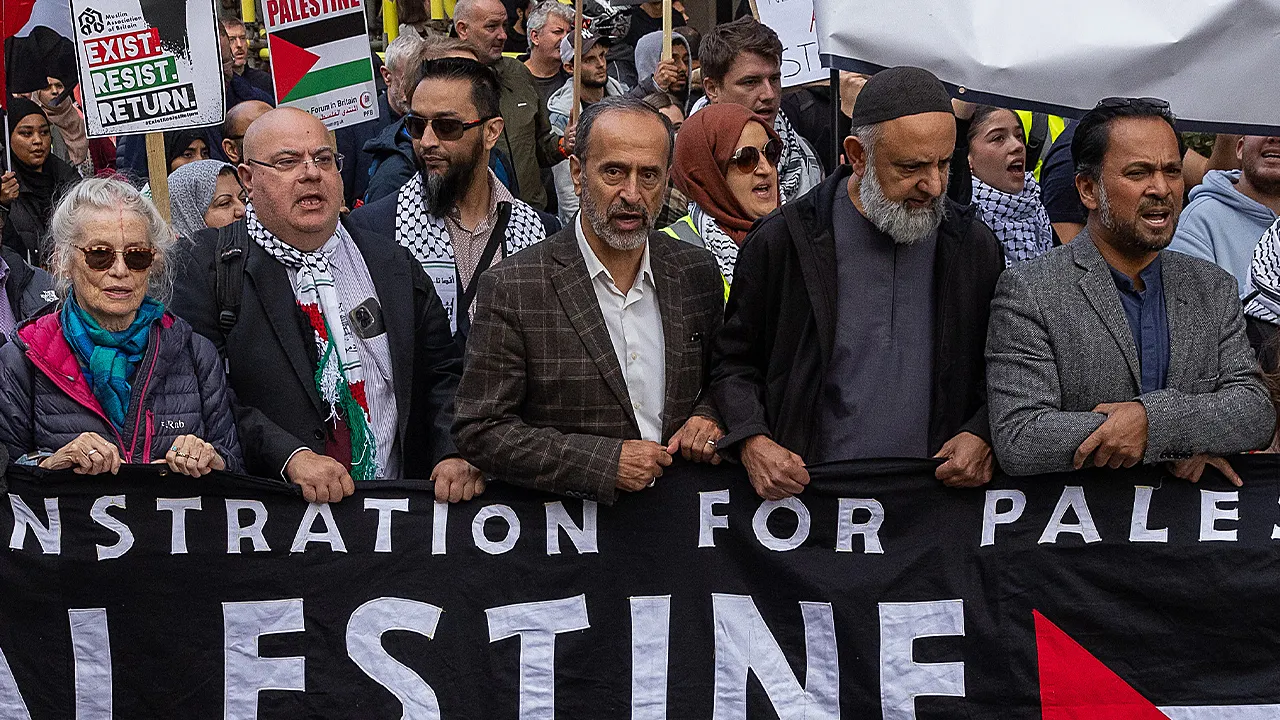
Birawi’s personal background complicates the matter significantly. As a resident of Barnet in north London who has lived in the United Kingdom for more than 30 years, he has established deep roots in British society. He currently chairs the Palestine Forum in Britain and has been a prominent organizer of pro-Palestinian demonstrations in London. While he has been named in Parliament as a security concern and was designated a Hamas member by Israel in 2013, Birawi has consistently rejected these allegations. In 2023, he described himself as a “law-abiding British citizen” and insisted that his work focuses solely on “defending the national and human rights of Palestinians who survive under occupation,” creating a narrative that directly contradicts the US and Israeli characterizations of his activities.
The sanctions against Birawi represent just one facet of broader US policy toward Hamas and its alleged international support networks. The designation comes at a time when the Trump administration is reportedly considering terrorism sanctions against the United Nations Palestinian aid agency (UNRWA) over allegations of Hamas ties. This approach reflects a hardline stance on organizations and individuals suspected of having connections to designated terrorist groups, even when those entities operate in allied nations like the United Kingdom. The situation highlights the complex relationship between security concerns and political advocacy, particularly regarding the Israeli-Palestinian conflict, and raises questions about how different governments define and respond to alleged terrorist links.
For Prime Minister Starmer, the US sanctions create a diplomatic balancing act. On one hand, the UK-US special relationship remains a cornerstone of British foreign policy, suggesting pressure to align with American security designations. On the other hand, the UK must consider its own legal standards for terrorist designations, the civil liberties of long-term residents, and the political sensitivities surrounding the Israeli-Palestinian conflict within British society. Starmer has already faced criticism for welcoming home a freed Egyptian prisoner after controversial social media posts resurfaced, indicating the political minefields surrounding Middle East issues. The Birawi case now presents another test of how the Starmer government will navigate these complex international and domestic pressures while maintaining its own independent stance on matters of national security and foreign policy.