


Trump Orders Christmas Night Airstrikes on ISIS in Nigeria
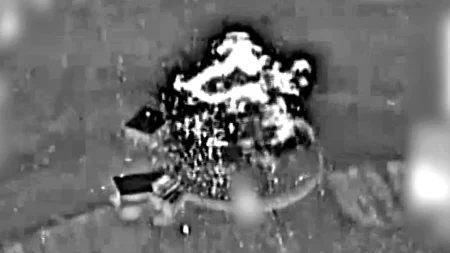
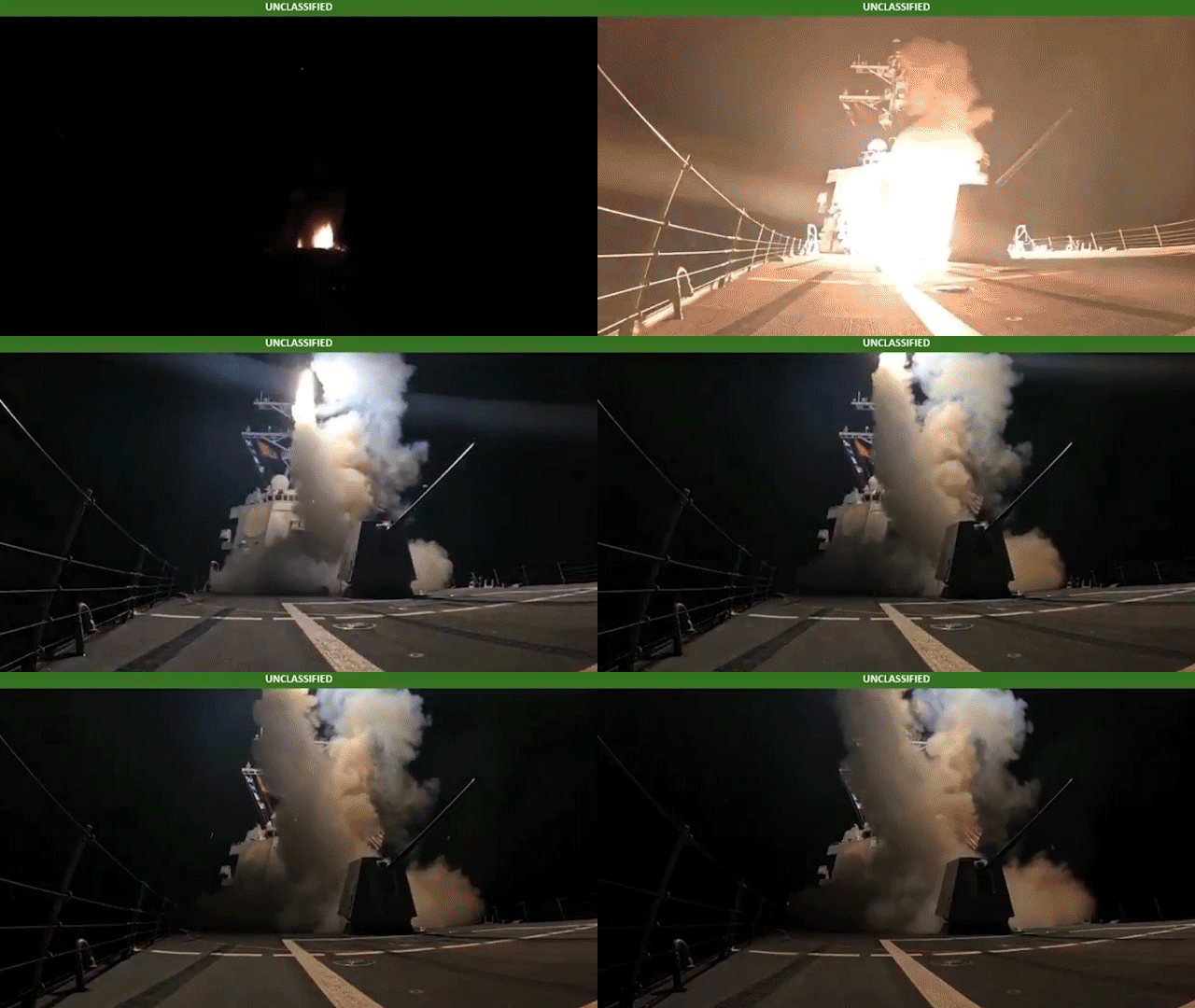
In a bold Christmas night operation, President Donald Trump directed U.S. military forces to conduct airstrikes against ISIS militants in Northwest Nigeria, specifically targeting those he accused of persecuting Christians. The president announced the action on Truth Social, framing it as a direct response to what he described as unprecedented violence against Christian communities. “Tonight, at my direction as Commander in Chief, the United States launched a powerful and deadly strike against ISIS Terrorist Scum,” Trump declared, emphasizing that the attacks were executed after prior warnings to stop the killings. The operation, confirmed by U.S. Africa Command, took place in Sokoto State with coordination from Nigerian authorities, marking a significant military intervention in the region.
The Christmas night strikes follow weeks of escalating rhetoric from the Trump administration regarding anti-Christian violence in Nigeria. Last month, the president had publicly threatened to “go into that now disgraced country guns-a-blazing” if the persecution continued, setting the stage for this military action. Secretary of War Pete Hegseth reinforced this position on social media, stating, “The President was clear last month: the killing of innocent Christians in Nigeria (and elsewhere) must end,” while expressing gratitude for the Nigerian government’s cooperation. U.S. Ambassador to the U.N. Mike Waltz framed the operation in religious terms, wishing a “Merry Christmas to the Christians in Nigeria and around the world who know tonight that the President of the United States will fight for them,” reflecting the administration’s positioning of the strikes as protection for religious freedom.
Beyond military action, the Trump administration had already begun implementing diplomatic measures to address religious violence in Nigeria. Earlier this month, Secretary of State Marco Rubio announced a new visa-restriction policy specifically targeting individuals responsible for orchestrating religious persecution. Under this policy, the State Department can deny visas to those “who have directed, authorized, significantly supported, participated in, or carried out violations of religious freedom,” as well as potentially restricting their immediate family members. Rubio characterized this approach as “decisive action in response to the mass killings and violence against Christians by radical Islamic terrorists, Fulani ethnic militias, and other violent actors in Nigeria and beyond,” demonstrating the multi-faceted strategy the administration is employing.
The military strikes come against a backdrop of horrific violence against Christian communities in Nigeria. Recent incidents include an attack on Christ Apostolic Church in Eruku, Kwara State, where gunmen killed two people and kidnapped dozens of worshippers, and a raid on St. Mary’s School in Niger State that resulted in the abduction of more than 300 students and staff. While some captives have escaped or been freed, hundreds remain missing. These attacks prompted Trump to officially designate Nigeria as a “country of particular concern” for religious freedom violations, though Nigerian officials have disputed this characterization. “I’m really angry about it,” Trump told Fox News Radio before the strikes, calling the situation in Nigeria “a disgrace” and signaling his administration would take concrete action.
The Christmas night operation has received support from key Republican figures, including Senator Tom Cotton of Arkansas, who commended “President Trump, Secretary Hegseth, and our brave troops for these strikes against bloodthirsty ISIS savages who are not only persecuting Christians, but also have killed many Americans.” This backing underscores the political dimension of the military action, which aligns with Trump’s campaign promises to protect Christian communities worldwide and take a more aggressive stance against Islamic extremism. The timing of the strikes—on Christmas night—appears deliberately symbolic, reinforcing the religious framing of the conflict and the administration’s commitment to defending Christian minorities facing persecution.
In his statement about the airstrikes, Trump warned that further military action would follow if attacks on Christians continued: “May God Bless our Military, and MERRY CHRISTMAS to all, including the dead Terrorists, of which there will be many more if their slaughter of Christians continues.” This explicit threat, combined with Secretary Hegseth’s ominous “More to come…” comment, suggests that the Christmas night operation may represent just the beginning of a broader military campaign in Nigeria and potentially other regions where religious persecution is occurring. With the administration’s recent visa restrictions and now direct military intervention, Trump has signaled a significant policy shift toward more assertive responses to religious violence, particularly against Christian communities, setting a precedent that could reshape U.S. foreign policy approaches to religious persecution worldwide.