


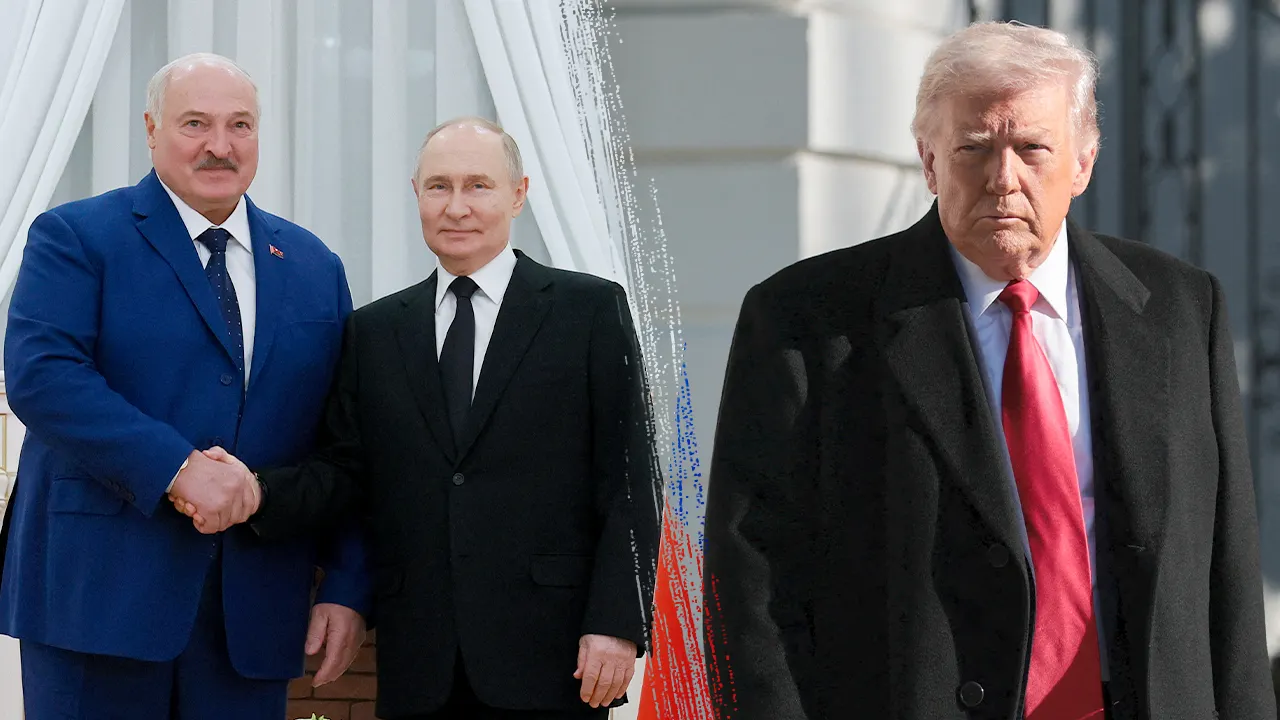
Trump’s “Board of Peace” Could Signal Major Shift in Global Order
In a bold move that potentially challenges decades of established international diplomacy, President Donald Trump has suggested his proposed “Board of Peace” for Gaza might ultimately replace the United Nations. During a White House press conference, Trump expressed his disappointment with the UN’s effectiveness, stating that while he considers himself “a big fan” of the organization, it “has never lived up to its potential.” Though acknowledging the UN should continue to exist, Trump pointedly remarked that it “should have settled every one of the wars that I settled,” reflecting his confidence in his own diplomatic achievements compared to those of international bodies. This statement underscores what appears to be a fundamental shift in how the administration views global governance structures that have been in place since the mid-20th century.
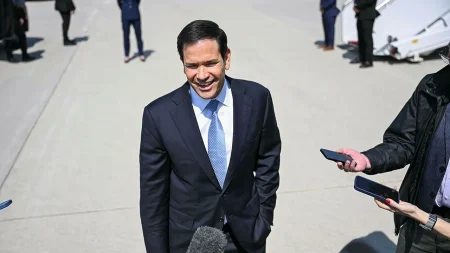
The proposed Board of Peace extends far beyond addressing just the Gaza conflict, according to White House statements. On January 16, officials announced that the board would “play an essential role” in implementing all 20 points of the President’s Comprehensive Plan to End the Gaza Conflict, with responsibilities including “strategic oversight, mobilizing international resources, and ensuring accountability” during Gaza’s transition “from conflict to peace and development.” Plans are reportedly underway for a signing ceremony in Davos, Switzerland, with invitations extended to leaders from diverse nations including Russia, Belarus, China, Ukraine, India, Canada, Argentina, Jordan, Egypt, Hungary, and Vietnam. Trump himself will chair the board, joined by prominent figures including Jared Kushner, Secretary of State Marco Rubio, U.S. special envoy Steve Witkoff, and billionaire Marc Rowan.
Professor Kobi Michael, a senior researcher at the Institute for National Security Studies and the Misgav Institute, characterizes this initiative as representing a profound transformation in global politics. “The norms, international institutions and organizations and liberalism are out, and real politics, interests and power are in,” he told Fox News Digital, adding that entities like the European Union have diminished in importance under this new approach. Michael suggests that Trump’s vision goes much deeper than addressing a single regional conflict: “We are talking about something which is much bigger than the Gaza Strip,” describing the board as “a tool in his vision of changing the existing international order.” This represents what Michael calls a “revisionist approach” to international relations that prioritizes direct power dynamics over multilateral institutions.
Iran appears to be a central consideration in this strategic realignment, according to Michael’s analysis. With protests challenging the Iranian regime amid economic and political pressures, Michael suggests that “Iran is the real game changer,” and that the administration is coordinating closely with Israeli Prime Minister Netanyahu on this front. The inclusion of Russia on the board raises particular questions about the broader geopolitical calculations at play. While Kremlin spokesman Dmitry Peskov has confirmed that President Vladimir Putin is reviewing the invitation to join the board, Michael suggests any Russian participation would come with significant conditions: “If Putin is in it, it will be in order to finish the Ukrainian war and be forced to give up on some major demands.” This suggests the board could become a venue for negotiating solutions to conflicts well beyond Gaza.
The potential restructuring of international power dynamics is further illustrated by Michael’s observation that “The president invited Putin to join the board basing an understanding with him about division of power and influence, promising him to relieve sanctions and cut a deal.” This approach signals what appears to be a preference for direct negotiations between major powers rather than working through established international frameworks. The concept emphasizes bilateral and regional arrangements over global alliances, with Michael noting that “alliances are out, whereas allies and regional structures are in.” If realized, this would represent a significant departure from the multilateralism that has characterized much of post-World War II international relations.
This bold initiative comes as the Trump administration continues to express skepticism toward traditional international institutions while pursuing its “peace through strength” approach to global conflicts. By proposing a new mechanism that potentially rivals established bodies like the United Nations, the President appears to be laying groundwork for a dramatic realignment of how international disputes are mediated and resolved. While supporters might view this as a pragmatic response to the perceived ineffectiveness of existing institutions, critics could raise concerns about undermining the rules-based international order that has, despite its flaws, provided a framework for global cooperation for generations. As preparations continue for the Board of Peace’s launch, its potential to reshape not just the Gaza conflict but the broader architecture of global governance remains a subject of intense interest and debate among international observers.