

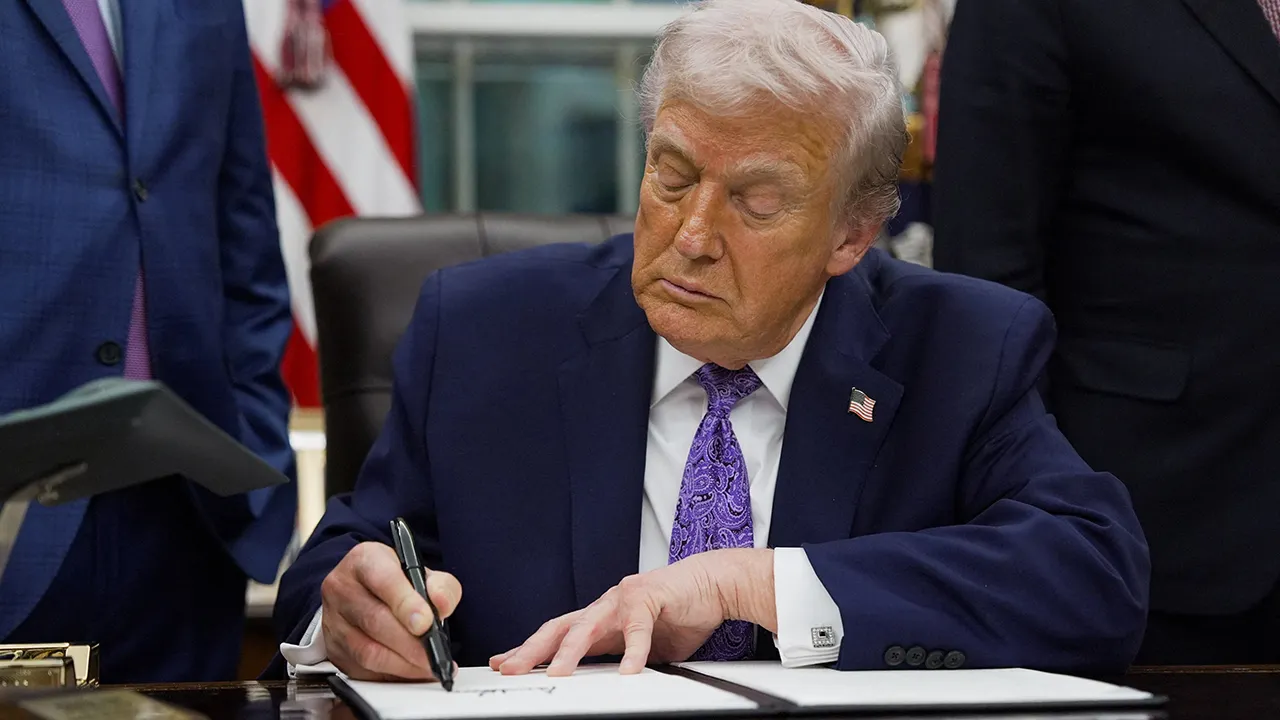
President Donald Trump’s latest move against Cuba has shaken up international relations in a way that feels both historic and intensely personal. Imagine waking up on a Thursday morning to headlines declaring a national emergency—a term that evokes images of impending crises, economic turmoil, and a nation’s resolve against hidden threats. For Trump, this wasn’t just an executive order; it was a bold declaration of zero tolerance toward the Cuban communist regime, painting them as a consortium of allies with America’s sworn enemies. The order itself reads like a stern indictment, accusing Cuba of siding with hostile powers like Russia and China, cozying up to terrorists such as Hamas and Hezbollah, and wreaking havoc on human rights. It points to Cuba as not just a isolated island state but a hub for espionage, where Russia’s signals intelligence outpost lurks, poised to intercept sensitive U.S. secrets, and China’s deepening military ties suggest a global axis forming right in our hemisphere. Trump’s words cut deep: Cuba’s actions, he says, pose “an unusual and extraordinary threat” to U.S. security, rooted in foreign malfeasance. Reading this, one can’t help but think of the families back in America—perhaps your own, if you’ve got ties to policy-making or national defense—feeling the weight of these geopolitical shifts. The executive order mandates action against countries enabling Cuba’s lifeline: oil. By creating a tariff mechanism, the U.S. reserves the right to slap additional duties on imports from any nation that directly or indirectly sends oil to Havana. This isn’t mere economic warfare; it’s a protective shield, intended to choke off the regime’s fuel without directly harming the Cuban people Trump claims to support.
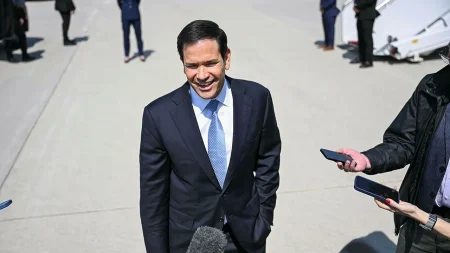
Stepping back, this policy builds on Trump’s first-term shifts, which reversed former President Obama’s thaw with Cuba—those halcyon days of reopened embassies and thawing relations now a distant memory. Obama had aimed for engagement, hoping to nudge Cuba toward democracy through trade and dialogue, but Trump saw betrayal in that approach. In his view, the regime hadn’t reformed; instead, it intensified its bad partnerships, and human rights abuses escalated under the radar. Think of the political prisoners languishing in Cuban jails, tortured for dissenting thoughts, or families exiled after peaceful protests. The order highlights these injustices as intolerable, vowing to back the Cuban people’s dreams for freedom while dismantling the system’s enablers. Secretary of State Marco Rubio, a man whose personal roots in a Cuban-American family fuel his passion, has been tapped to oversee this emergency. As the order takes effect Friday, it symbolizes a pivot: from passive influence to active confrontation, where America won’t just observe threats but actively counter them. Listening to these developments unfold, as the new Fox News audio feature allows, one senses the urgency—it’s not just policy; it’s a clarion call echoing the frustrations of countless Americans who’ve long criticized Cuba’s defiant stance against Western ideals.
Delving deeper into the mechanics, the order entrusts the Commerce Department with a crucial role: scouring global trade to spot oil suppliers to Cuba, whether overt or hidden through intermediaries. It’s a detective’s work, piecing together shipping manifests and diplomatic cables to identify culprits. Then, a task force—comprising State, Treasury, Homeland Security, Commerce, and the U.S. Trade Representative—decides the penalty’s heft. Tariffs could range from mild nudges to crippling blows, depending on the offense’s scale. This isn’t random; it’s calibrated to target countries that fuel Cuba’s resistance, protecting U.S. interests while avoiding blanket sanctions that might destabilize global markets unnecessarily. For everyday folks following this, it means potential ripples at the pump or in imported goods, but the administration frames it as targeted justice. Trump’s broader playbook emerges here: confronting hostile regimes isn’t isolated; it’s part of a tapestry including Venezuela’s turmoil, where Cuba’s shadow loomed large in supporting Maduro. By declaring this emergency, Trump extends that fight, ensuring America remains vigilant against alliances that challenge its supremacy. It’s a reminder that in an interconnected world, one nation’s choices—supplying oil to an adversary—can draw international ire, much like high school alliances turning into lifelong rivalries.
Humanizing this story means imagining the faces behind the headlines—the Cubans yearning for change, hidden amid a regime’s iron grip, and the American families who fled or protested for decades. Trump’s order doesn’t mince words on human rights: it accuses the regime of persecuting opponents, silencing free speech, and punishing families who dare protest. Torture, denial of press freedoms—these aren’t abstracts; they’re harrowing realities for individuals who risk everything for democracy. Supporting the Cuban people, as the order promises, feels compassionate, a nod to the aspirations of those dreaming of a free society. Yet, it’s tempered by the harsher elements: punishing enablers like oil-providing nations to weaken the regime financially. Analysts note this could isolate Cuba further, straining relations with Russia, whose intelligence base in Cuba monitors U.S. activities, or China, deepening defense ties amid global tensions. For Trump, it’s accountability in action, a promise that America won’t tolerate “depredations” from a regime aligned with terrorists. Rubio’s monitoring role adds a layer of accountability; as someone deeply invested in Cuban affairs, his reports to Congress will keep the pressure cooker humming. In essence, this emergency isn’t just about oil or security; it’s about upholding human dignity against a backdrop of escalating global threats.
Transitioning to the international fallout, this executive action sends shockwaves, potentially straining ties with countries reliant on U.S. trade. Nations supplying oil to Cuba—possibly through obscured channels—now face a tariff gauntlet, a deterrent meant to dissuade partnerships that aid America’s adversaries. The White House fact sheet underscores the order’s defensive nature: safeguarding national security from Cuba’s “malign actions.” It cites concrete examples, like hosting Russian spying outposts that steal U.S. data, or welcoming Hezbollah and Hamas operatives. These aren’t speculative; they’re detailed threats that could endanger American lives or interests. By targeting oil supplies, the U.S. aims to disrupt the regime’s operations, forcing a choice: align with democracy or face economic consequences. For those listening to Fox News articles, this narrative unfolds like a thriller, where geopolitics meets personal stakes—envision diplomats in capital cities recalibrating strategies, or traders hedging bets on commodities. Trump’s escalation, effective immediately after signing, marks a defiant chapter in U.S.-Cuba relations, reverting to Cold War tensions while embracing technology for broader reach. Yet, it also invites scrutiny: will this pressure achieve change, or merely harden the regime’s resolve?
Finally, reflecting on this pivotal moment, Trump’s order humanizes a complex crisis by tying it to shared American values like freedom and security. It’s not just a policy rollout; it’s a narrative of resilience against authoritarianism, echoing the hopes of exiles and the vigilance of policymakers. As Rubio tracks and reports, the process ensures transparency, while the Commerce Department’s tracking provides the data backbone. For the average listener or reader, this means staying informed through accessible tools like Fox News’ audio feature, turning dry bureaucratese into digestible stories. The emergency’s roots lie in Cuba’s unyielding alliances, but its branches extend to a world where one nation’s emergency ripples through global trade and human rights. Whether this spurs Cuba toward reform or intensifies standoffs remains uncertain, but Trump’s stance affirms a proactive America—one that acts decisively to protect its people and ideals. In the end, it’s a testament to enduring beliefs in liberty, reminding us that beneath the orders and tariffs, real lives and legacies are at stake.