



US Military Operation in Venezuela: Maduro and Wife Captured in Pre-Dawn Strike
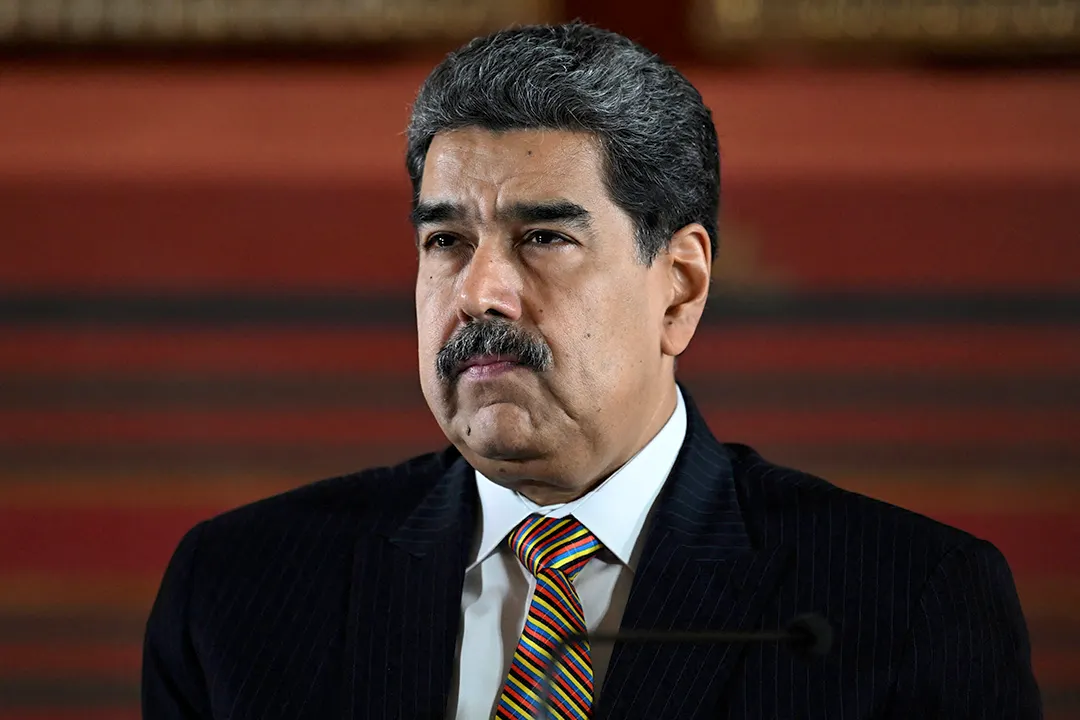
In a dramatic turn of events early Saturday morning, President Donald Trump confirmed that US military forces conducted a “large-scale strike” in Venezuela, resulting in the capture of Venezuelan President Nicolás Maduro and his wife. The operation, which involved coordination with US law enforcement agencies, saw the Venezuelan leader and his spouse “captured and flown out of the country,” according to Trump’s statement on Truth Social. The president announced that further details would be provided during a press conference scheduled for 11 a.m. Saturday at Mar-a-Lago.
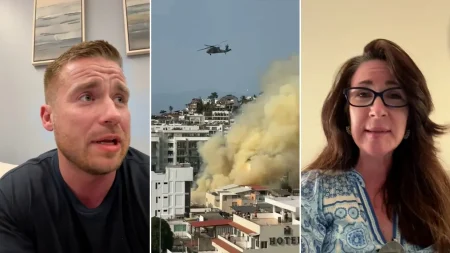
The military action unfolded around 2 a.m. local time in Venezuela’s capital city of Caracas, where residents reported hearing at least seven explosions and witnessing low-flying aircraft overhead. Venezuelan officials claimed the attack extended beyond the capital to include the states of Miranda, Aragua, and La Guaira. The Venezuelan government issued a forceful condemnation of what they called “very serious military aggression” and “imperialist aggression” by the United States. Their statement accused the US of attempting to “seize Venezuela’s strategic resources, particularly its oil and minerals,” and trying to “break the Nation’s political independence by force.” The government defiantly declared that such efforts “will not succeed” and that “the people and their legitimate Government remain steadfast in defense of sovereignty.”
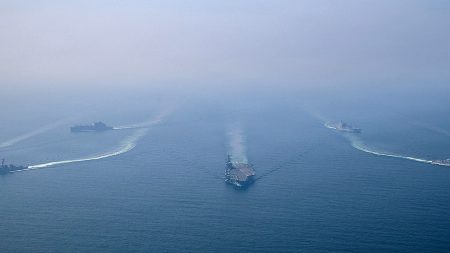
This military strike follows recent US operations targeting alleged drug-smuggling vessels in the Caribbean and Eastern Pacific, suggesting a potential connection to counter-narcotics efforts. Just two days before the strike, Maduro himself had expressed willingness to negotiate with the United States, stating in a pre-recorded interview that Venezuela was “ready” to discuss agreements on combating drug trafficking. “The U.S. government knows, because we’ve told many of their spokespeople, that if they want to seriously discuss an agreement to combat drug trafficking, we’re ready,” Maduro said, also extending openness to US oil investments: “If they want oil, Venezuela is ready for U.S. investment, like with Chevron, whenever they want it, wherever they want it and however they want it.”
The legitimacy and legal basis for the operation have already come under scrutiny from some US lawmakers. Senator Mike Lee of Utah questioned the constitutional justification for the military action, posting on social media platform X: “I look forward to learning what, if anything, might constitutionally justify this action in the absence of a declaration of war or authorization for the use of military force.” This concern highlights the ongoing tension in American politics regarding executive war powers and Congressional authority in authorizing military actions abroad. The operation represents a significant escalation in US policy toward Venezuela, with potential far-reaching implications for international relations, particularly in Latin America.
In response to the unfolding situation, the US Embassy in Bogotá, Colombia issued an urgent warning to American citizens, advising them not to travel to Venezuela and instructing those already in the country to shelter in place. This builds upon a December 3 Travel Advisory that had already strongly advised all US citizens to depart Venezuela immediately. It’s worth noting that the United States withdrew all diplomatic personnel and suspended operations at its Caracas embassy back in March 2019, reflecting the already strained relations between the two countries. Adding to the emergency measures, the Federal Aviation Administration implemented an immediate ban on all US aircraft from operating “at all altitudes within Venezuelan airspace” starting at 1 a.m. EST on Saturday.
The capture of Maduro represents a watershed moment in Venezuelan politics and US foreign policy. For years, the United States has refused to recognize Maduro’s presidency, instead supporting opposition leader Juan Guaidó’s claim to legitimate leadership following contested elections. US sanctions and diplomatic pressure have been applied against the Maduro regime, which has been accused of human rights abuses, electoral fraud, and enabling drug trafficking networks. However, this direct military intervention marks an extraordinary escalation beyond previous diplomatic and economic measures. The operation comes at a critical juncture for Venezuela, which has experienced severe economic collapse under Maduro’s leadership, resulting in a humanitarian crisis that has driven millions of Venezuelans to flee the country in recent years.