






Asfura Claims Narrow Victory in Contentious Honduran Presidential Election
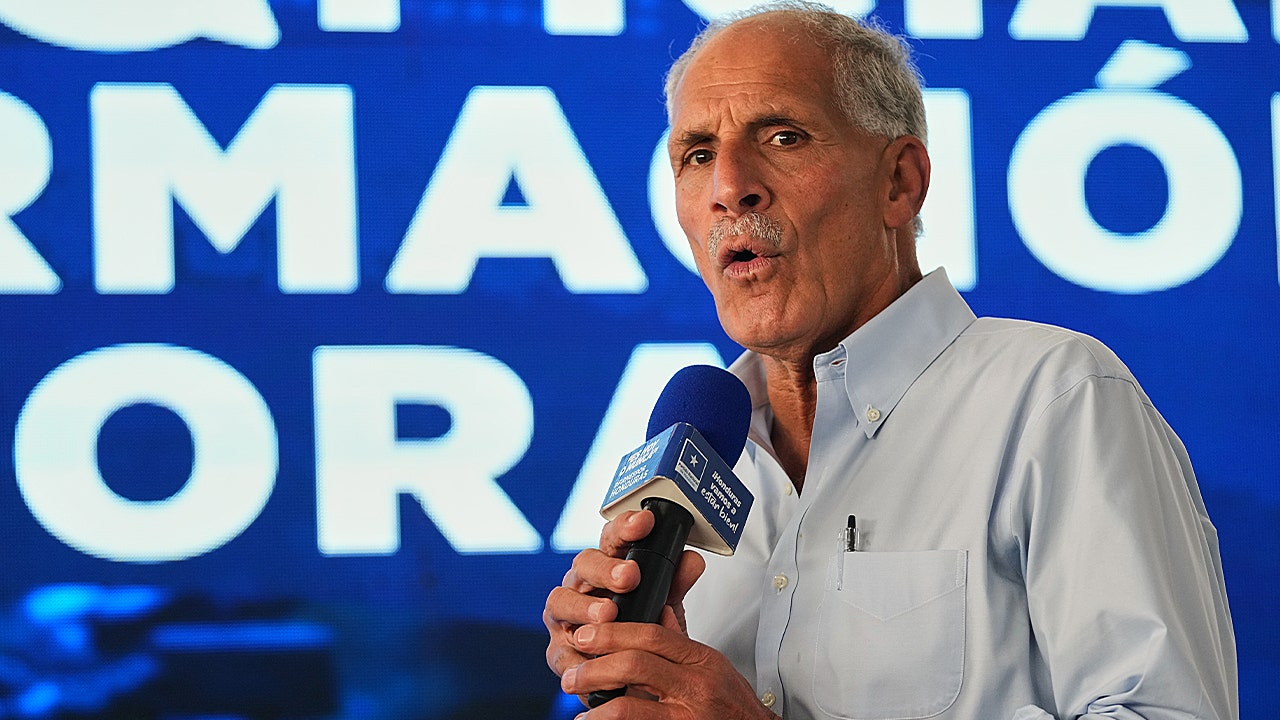
In a razor-thin electoral contest that kept the nation on edge for days, Nasry “Tito” Asfura has emerged victorious in Honduras’ 2025 presidential election, securing a win for the right-of-center National Party of Honduras (PNH). The electoral authorities declared Asfura the winner with 40.3% of votes compared to Liberal Party candidate Salvador Nasralla’s 39.5% – a margin representing just over 500 votes between the candidates. This outcome reshapes Central America’s political landscape at a crucial moment for the region, though not without significant controversy. The election’s conclusion came after days of uncertainty, technical glitches in the vote-counting process, and allegations of irregularities that required approximately 15% of tally sheets to be counted by hand. Rixi Moncada, the candidate from the currently ruling LIBRE party, finished a distant third, signaling voters’ desire for change from the current administration.
The electoral process itself became a flashpoint of contention, drawing international attention including from U.S. President Donald Trump, who warned on social media that there would be “hell to pay” if authorities attempted to alter the election results. The vote-tallying website experienced a mysterious crash on Tuesday, fueling suspicions from both sides. Nasralla publicly denounced what he described as algorithmic manipulation of the results, claiming that over a million votes had been improperly transferred between the candidates. Meanwhile, the head of the Honduran Congress, Luis Redondo of the LIBRE party, went further by rejecting the results entirely, calling the declaration an “electoral coup” and asserting it had “no value” under the law. Despite these protests, Asfura confidently proclaimed on social media: “Honduras: I am ready to govern. I will not let you down.”
Asfura, the 67-year-old former mayor of Tegucigalpa known affectionately as “Tito,” campaigned on his record of infrastructure development, public order initiatives, and administrative efficiency. His victory represents a significant achievement for the National Party, which seeks to regain power after the previous administration led by Juan Orlando Hernandez ended in scandal. Hernandez is currently serving a 45-year prison sentence in the United States for drug trafficking offenses – a connection that became part of the electoral narrative when Trump controversially promised to pardon the former president if Asfura won the election. This declaration raised eyebrows domestically and internationally, with critics questioning the appropriateness of such intervention in a sovereign nation’s electoral process. Nevertheless, Asfura successfully distanced himself from his party’s troubled past while emphasizing his own accomplishments in local government.
The election featured a diverse field of candidates that included the defeated Salvador Nasralla, a 72-year-old television personality turned politician who had built his campaign around anti-corruption initiatives. With his media savvy and popular appeal, Nasralla had hoped to translate his public recognition into electoral success, but ultimately fell just short despite attracting nearly 40% of the vote. Similarly unsuccessful was Rixi Moncada, a 60-year-old lawyer, financier, and former Minister of National Defense from the incumbent LIBRE party, who had focused her campaign on institutional reforms and social equity. Her distant third-place finish suggests widespread dissatisfaction with the current administration’s performance on key issues like economic development, security, and governance – areas where Asfura promised substantive improvement.
International reactions to the election results have been mixed, reflecting the contentious nature of the outcome. U.S. Secretary of State Marco Rubio quickly congratulated Asfura, stating that America “looks forward to working with his administration to advance prosperity and security in our hemisphere.” This rapid acknowledgment from a key figure in the incoming Trump administration signals potential alignment between Washington and Tegucigalpa in the years ahead. However, electoral observation missions and human rights organizations have expressed concerns about the integrity of the process, particularly regarding the technical failures during vote counting and the tight margin of victory. These circumstances have created a challenging environment for the president-elect, who must now work to establish legitimacy and build consensus in a deeply divided political landscape.
As Honduras prepares for this transition of power, the country faces daunting challenges that will test Asfura’s leadership abilities from day one. Persistent poverty, violence, corruption, and migration pressures have long plagued the nation, driving thousands of Hondurans to flee northward toward Mexico and the United States each year. Asfura’s administration will need to address these fundamental issues while navigating a fractured political system where his victory is still contested by significant sectors of society. The election also included races for a new Congress and hundreds of local positions, meaning the governance landscape will shift dramatically across multiple levels. How Asfura manages these complex political dynamics while delivering on his campaign promises will determine not only his success as president but potentially the stability and future direction of Honduras itself as it continues its difficult path toward democratic consolidation and economic development.