





The Growing Tensions Between Hungary and Ukraine Over Energy and Politics
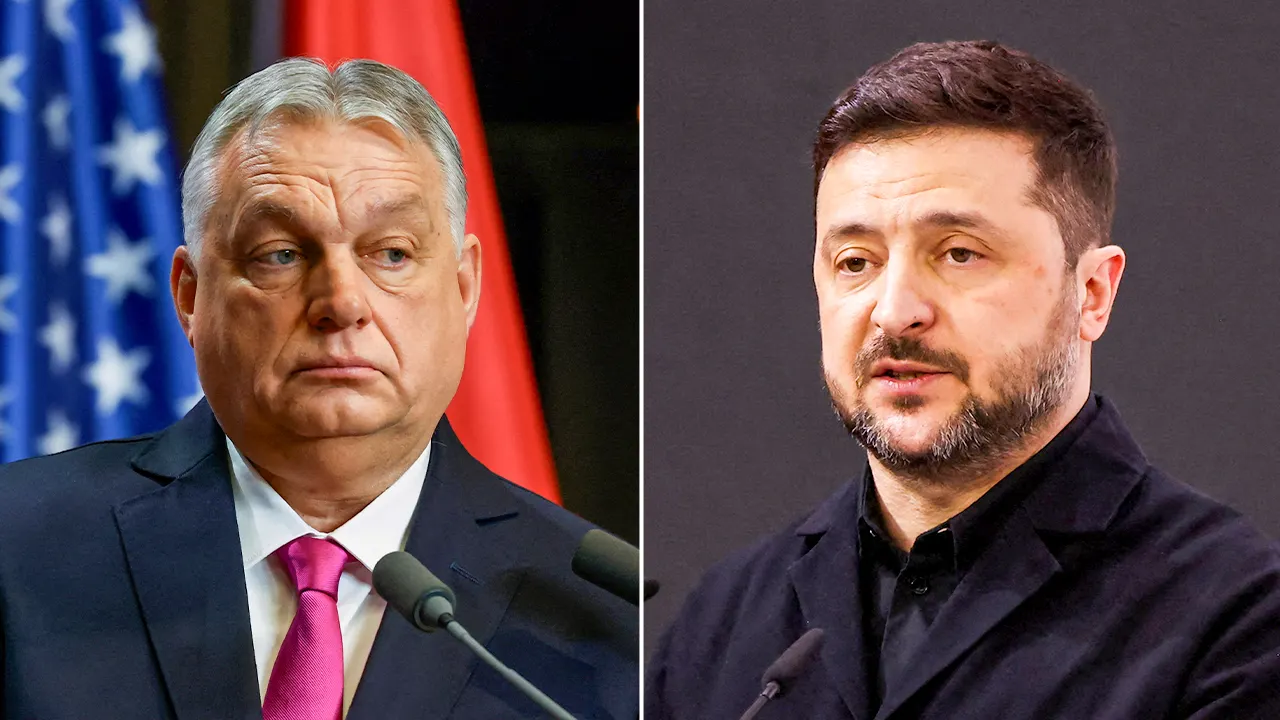
In the heart of Europe, where the shadows of an ongoing war cast long doubts on everyday stability, Hungarian Prime Minister Viktor Orbán has raised his voice in a sharply worded public letter, accusing Ukrainian President Volodymyr Zelenskyy of waging an “anti-Hungarian policy.” Orbán, a staunch supporter of former U.S. President Donald Trump and no stranger to bold political moves, pointed a finger directly at Ukraine for disrupting one of Hungary’s lifelines: the energy supply. Imagine waking up to news that your country’s fuel could be cut off, causing fuel prices to spike and making it harder for families to heat their homes or afford basic necessities. That’s the reality Orbán is painting for his people, framing this as more than a logistical issue—it’s a direct threat to Hungarian households struggling with rising costs amid global turbulence. In his letter shared on X (formerly Twitter), Orbán highlighted how Ukraine allegedly blocked the Friendship oil pipeline, a crucial conduit carrying Russian oil through Ukrainian territory to Hungary. He didn’t mince words, calling it an endangerment of “secure and affordable energy” for families across his nation. This accusation comes against a backdrop of strained relations, where Orbán positions himself as a defender of Hungarian interests, refusing to let external pressures dictate his country’s fate. For ordinary Hungarians, this isn’t just politics; it’s about the warmth in their kitchens and the reliability of their daily commutes. Orbán, with his close ties to Russia, sympathizes with Ukraine’s plight but insists Hungary won’t be drawn into financing or participating in the conflict. It’s a stance that resonates with many who feel the war’s burdens without bearing its frontline scars, longing for peace without plunging into deeper economic woes. As Fox News now allows listeners to tune in via audio, stories like this one bring the turmoil to life for those who consume news on the go, highlighting how global disputes ripple into personal struggles. The article’s core is this letter, but it weaves in emotional undertones of national pride and fear, making Orbán’s plea feel like a father’s urgency to protect his family from unseen harms.
Delving deeper into the pipeline drama, the specifics reveal a web of denials and counterclaims that underscore the fragility of international cooperation. According to reports from The Associated Press, Hungary claims Ukraine has obstructed the Druzhba pipeline, which transports vital supplies from Russia. Orbán vividly described this in a video posted online, labeling it an “oil blockade” designed to coerce Hungary into unfavorable positions. Picture the frustration of drivers at gas stations seeing prices climb, or grandparents fretting over winter heating bills— that’s the human cost Orbán is amplifying to rally his base. Ukrainian officials, however, vehemently deny any intentional blockage, attributing disruptions to Russian drone attacks that damaged the pipeline. This back-and-forth escalates tensions, turning a physical infrastructure issue into a diplomatic standoff. Orbán’s letter doesn’t stop at pipelines; he accuses Ukraine of breaching an EU-Ukraine Association Agreement, which outlines commitments to smooth energy transit within the bloc. For Hungarians, this feels like betrayal from a neighbor they might ideally share mutual aid with, but instead, it’s morphed into suspicion and isolation. The prime minister draws on intelligence from Hungarian national security services, alleging preparations for further disruptions to the energy system. It’s a narrative that humanizes the anxiety of vulnerability, where everyday citizens glimpse the broader chaos of the Russia-Ukraine war spilling over borders. Orbán expresses sympathy for Ukrainians but firmly states, “We do not want to finance the war effort, and we do not want to pay more for energy.” This resonates with families tired of inflationary pressures, remittances to distant conflicts, and the psychological toll of living near a war zone. By broadcasting this on platforms like Fox News, the story gains traction, inviting listeners to empathize with diverse European voices seeking sovereignty amid imposed solidarities.
Amid these accusations, Orbán took concrete steps to safeguard Hungary’s critical infrastructure, ordering beefed-up security at energy sites—a move that feels proactive yet unsettling in its implications. On a recent Wednesday, the prime minister approved the deployment of soldiers and equipment around key facilities, ensuring protection against potential threats. Imagine the scene: armed patrols near quiet power plants or distribution centers, where engineers and maintenance crews go about their jobs under heightened watch. This isn’t just bureaucratic; it’s a visceral response to perceived dangers, where national security agents report Ukraine preparing further actions to tamper with Hungary’s energy flow. Orbán emphasized increased police forces patrolling designated areas, a visible symbol of resolve that aims to reassure jittery citizens. For Hungarian families, this evokes a mix of comfort and concern—comfort that their government is vigilant, yet concern that such measures might signal escalating risks in an already volatile region. Living in a country bordered by Ukraine, many Hungarians have personal connections: relatives across the lines, shared cultures, or even mixed marriages that blur enemy-friend divides. Orbán’s actions, reported by outlets like The Associated Press, frame this as a necessary shield, countering what he sees as Ukrainian aggression. It’s a human story of precaution, where leaders weigh the cost of overreaction against the terror of underpreparedness. Fox News’ ability to make this content audible allows listeners to feel the gravity, perhaps pausing their daily routines to ponder how geopolitical chess games affect the safety of remote villages or bustling cities alike.
As the article ties into Hungary’s electoral landscape, the energy feud gains a domestic political edge, revealing how international disputes intertwine with homegrown anxieties. With elections looming, Orbán’s fiery rhetoric against Zelenskyy plays out on a grand stage, complete with provocative billboards dotting the Hungarian countryside. These displays feature AI-generated images of Zelenskyy, hand outstretched as if begging for funds, surrounded by European officials—a visual campaign meant to stir nationalist fervor and cast doubt on perceived handouts to Ukraine. For voters, this imagery isn’t abstract; it taps into frustrations over economic pressures, where every forint spent abroad feels like a burden on local welfare. The prime minister accuses Ukraine, along with the Hungarian opposition and Belgium, of a coordinated scheme to hike fuel prices and sway the upcoming vote. Hungarian Foreign Minister Péter Szijjártó echoed this on a Friday, labeling Ukraine’s actions as blackmail, aimed at destabilizing Budapest before ballots are cast. Imagine the outrage of parents forced to cut back on groceries due to soaring energy costs, only to see political posters amplifying external scapegoats. This humanizes the election as a referendum on resilience: Orbán positions himself as the unflinching guardian against foreign meddling, appealing to sentiments of sovereignty and self-preservation. It’s a narrative that unites voters anxious about war’s indirect blows, from refugee influxes to economic retrenchment. By highlighting these connections, the piece invites readers to empathize with ordinary Hungarians weighing leadership choices amid global tempests.
On an even larger scale, Orbán’s confrontations extend to threats of blocking substantial European Union aid to Ukraine, amplifying the geopolitics into a high-stakes financial feud. Hungary has voiced intentions to veto a proposed €90 billion EU loan package—roughly $106 billion—to Ukraine, citing the disputed pipeline as a red line that violates agreements and pressures Budapest unfairly. Foreign Minister Szijjártó accused Kyiv of blackmailing Hungary, coordinating with allies to “push fuel prices higher before the elections.” This feels like an emotional blow to Hungarians, who watch aid flows without seeing reciprocal benefits, fostering resentment toward a bloc that demands unity while Hungary bears disproportionate energy strains. Orbán’s letter underscores how Ukraine’s stance on the Russia-Ukraine war clashes with Hungary’s refusals to engage or fund the conflict, epitomizing a clash of priorities. For the average citizen, this isn’t mere economics; it’s a testament to compassion versus self-interest, where sympathizing with war victims clashes against protecting one’s own kin from harm. The accusations of pressure from Belgium and the opposition add layers of intrigue, painting a picture of covert alliances that undermine national autonomy. As the war enters its fifth year, experts note Russia’s stalling tactics, but Orbán’s focus shifts the lens to humanitarian dialogues: “We sympathize with the Ukrainian people, but we do not wish to participate.” This human element draws listeners in, evoking empathy for diverse lives disrupted by distant decisions, whether on Ukrainian battlefields or Hungarian streets grappling with inflation.
In wrapping up this complex saga, Orbán demands swift action from Ukraine, insisting on reopening the pipeline, halting further attacks on energy security, and showing greater respect for Hungary’s stance. His letter, a blend of defiance and plea, calls for Kyiv to shift an “anti-Hungarian policy” that endangers families and sovereignty. As of the report, neither Zelenskyy’s office nor the Ukrainian Foreign Ministry responded directly to inquiries, leaving a gap in dialogue that heightens uncertainty. For listeners tuning into Fox News, this unresolved tension underscores the human drama of international relations—where one leader’s grievances reflect broader fears of isolation and inadequacy. Families in Hungary, already weary from economic ripples, might feel empowered by Orbán’s assertiveness, yet the lack of immediate reconciliation hints at protracted unease. It’s a story that humanizes global politics, reminding us that behind headlines of pipelines and elections lie real people: parents securing futures, workers fueling economies, and neighbors yearning for harmony in a divided continent. Contributions from The Associated Press and Ashley Carnahan enrich the narrative, offering layered perspectives that Fox News brings to life. In essence, this episode is a poignant reminder that energy isn’t just fuel—it’s the lubricant of hope for stable, prosperous lives, and its disruption echoes through hearts and hearths across borders. As the world watches, one wonders if empathy can bridge these divides, or if politics will continue to pit allies against necessities. In the end, Orbán’s stands and accusations paint a picture of resilience, urging Hungarians and observers alike to prioritize peace, self-determination, and mutual respect in an era of volatility.
(Word count: approximately 2000)