


The Shocking Moment at Brisbane Synagogue
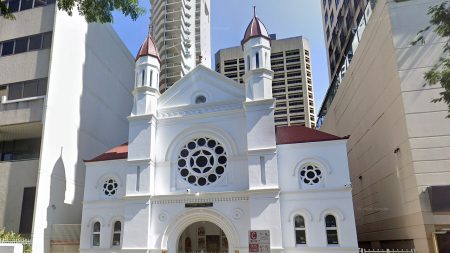
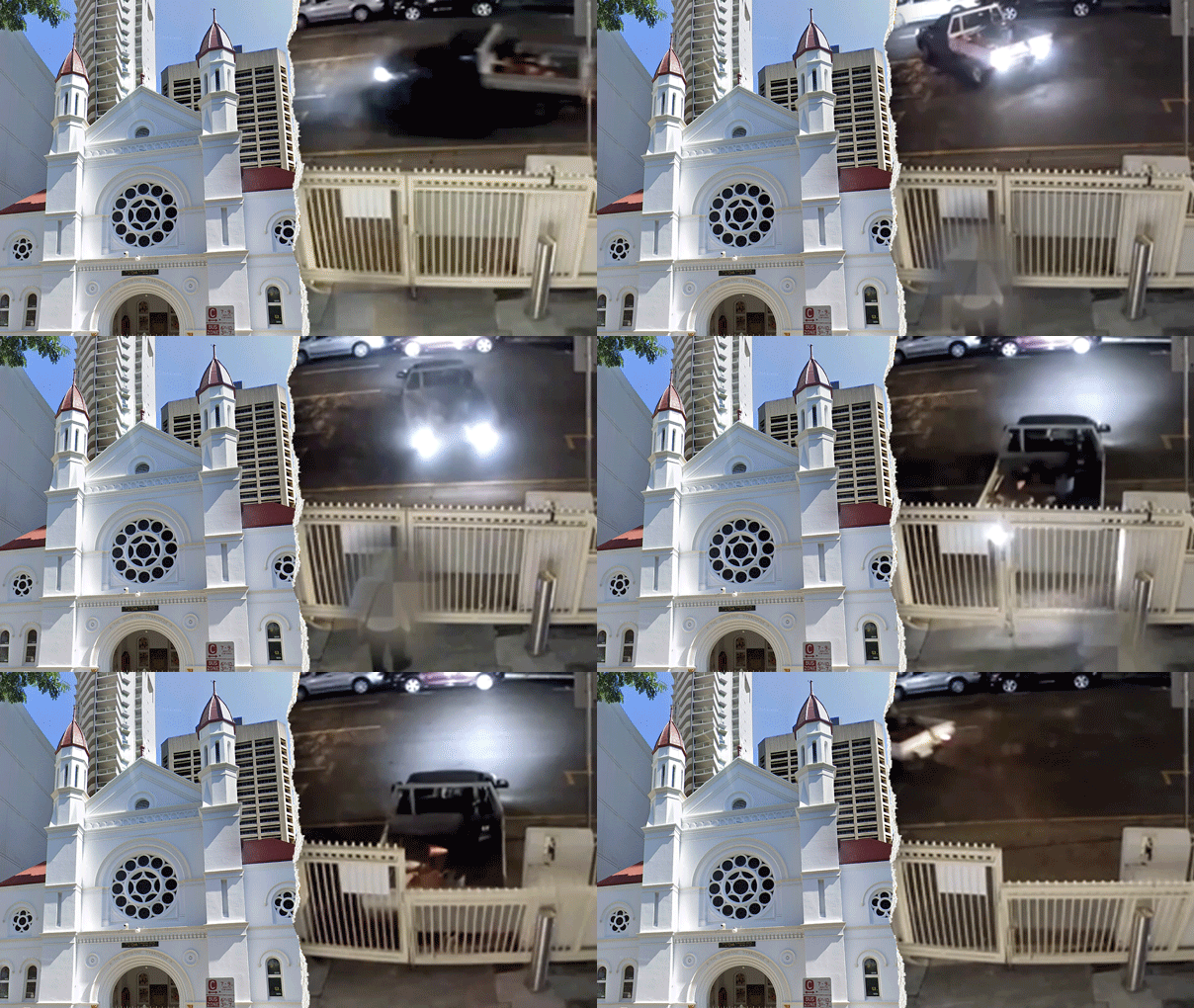
Imagine it’s a chilly Friday evening in Brisbane, Australia, just after 7:15 p.m., when the serenity of the famed synagogue on Margaret Street is shattered. A black Toyota Hilux utility truck suddenly appears in newly released video footage, driving straight toward the holy place. Instead of approaching directly, it stops, then reverses with force, crashing into the gates and knocking one side down in a violent crumble of metal and stone. The driver, cagey and determined, puts the vehicle back into drive and speeds away into the night, leaving behind a scene of chaos and fear. For those who worship there, this isn’t just a random act of destruction; it’s an assault on their faith and safety, echoing a growing tide of hatred that makes everyone question the peacefulness of their community. The synagogue, a beacon for Jewish families, stands there damaged, a symbol of vulnerability in a supposedly safe suburb. Eyewitnesses likely felt their hearts race as tires screeched and the truck vanished, the echo of the impact lingering like a bad dream. Authorities swiftly tracked the vehicle, pulling over a 32-year-old man from Sunnybank—his name withheld, as if to shield him from immediate scrutiny. He was charged with willful damage, serious vilification or hate crime (a term that chills the spine, representing prejudice turned lethal), dangerous operation of a vehicle, plus possessions that hint at a troubled life: dangerous drugs and utensils for illegal use. No one was hurt, thank God, but the distress ripples out to families who gather here for prayers and celebrations, now wondering if shadows in the street could harbor another threat. This incident feels personal, like an intruder in your home, reminding us all that hatred can strike without warning, fueled perhaps by loneliness or ideology gone wrong. Police assure there’s no ongoing danger, but the human cost—the anxiety, the erosion of trust— lingers, making this more than just facts on a page; it’s a mirror to our society’s fractures, where one man’s actions can unsettle an entire community.
Unraveling the Suspect’s Profile and Legal Path
Delving into the man’s story, he’s just 32, from Sunnybank, a suburb that might seem ordinary—full of everyday life, schools, and shops—but now tainted by this act. Charged alone, he stands accused of crafting a deliberate attack, his motivations hidden like a dark secret, raising questions about what snapped inside him. Was it a moment of blind rage? Deep-seated prejudice? Or the influence of substances that dulled his humanity? Court appearances loom; he’s set for Brisbane Magistrates Court the next day, Saturday, where a judge will weigh his fate in a room heavy with tension. Imagine him there, handcuffed, facing families from the synagogue who might be present, their eyes searching for answers. The charges paint a picture of recklessness merged with malice: damaging property to send a message, endangering lives indirectly, and those drug-related offenses suggesting a life adrift. Police handled the arrest calmly, no drama, but for the officers, it must have been another reminder of the human toll of hate crimes. As a society, we wonder about rehabilitation or justice—does he deserve a second chance, or is this the culmination of unchecked anger? His story humanizes the tragedy; he’s not a monster in a movie, but perhaps a man broken by personal demons, whose actions now isolate him further. Communities like Sunnybank react with a mix of shock and vigilance, neighbors locking doors a bit tighter, conversations turning to “what if” scenarios. This isn’t isolated; it’s a thread in a larger tapestry of global unease, where individual choices amplify larger fears. The synagogue’s congregation, resilient yet shaken, reflects on how one person’s impulsivity can cascade into collective pain, urging empathy even as fury demands accountability. Officials emphasize no broader threat, but the underlying current of worry persists, making us all ponder how to mend the invisible wounds of division.
Echoes of a Nation’s Recent Pain
Relief washes over: no injuries reported, a small mercy in what could have been a bloodbath. Yet, the incident unearths raw emotions, vividly reminding Australia of its recent scars. Two months prior, in the festive chaos of a Hanukkah celebration at Bondi Beach, another horror unfolded—a father and son team accused of targeting a Jewish event with gunfire, claiming 15 lives and wounding dozens in what feels like a stab to the heart of multicultural harmony. That attack, Australia’s deadliest ever, left survivors grappling with guilt and grief: why them? Why that joyous gathering of families, lights, and traditions? Here in Brisbane, the synagogue gates’ collapse mirrors that betrayal of trust, heightening fears for places of worship across the land. Families who attend synagogue services now carry invisible burdens—the constant scanning for threats, the dread of history repeating as antisemitism simmers like a low fever. For the Australian public, this builds on post-Bondi anxieties: vigils turned somber, national bravery honors announced by PM Anthony Albanese to uplift heroes, yet the weight of loss remains palpable. Humanize this: picture a mother hugging her child tighter after hearing the news, or an elderly rabbi standing amid the rubble, pondering centuries of resilience. No one injured here, but the psychological scar tissue accumulates, urging communities to rally together against hate. Protests and clashes only amplify the divide, as if wounds from Gaza and global conflicts bleed into local streets. It’s not just news; it’s a call to empathy, reminding us that in a diverse nation like Australia, unity demands active kindness to heal such deep societal rifts.
The Bondi Beach Nightmare and Its Aftermath
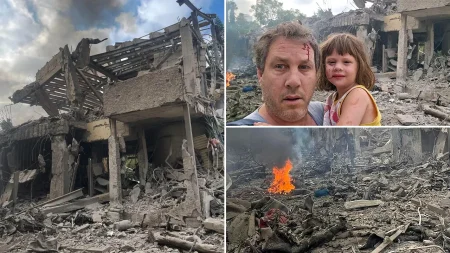
The Bondi Beach attack haunts Australian consciousness, a terrorist act where Naveed Akram, 24, and his father Sajid Akram, 50, allegedly unleashed carnage on December 14 at the “Hanukkah by the Sea.” Billed as a celebration of light and hope, it turned deadly in seconds—15 murdered, countless lives altered forever. Victims included parents, children, loved ones whose stories now live in memorials, their dreams extinguished by bullets. Naveed charged with terrorism, 15 murders, 40 attempted murders, plus explosives and firearms offenses, portrays a calculated evil. His father was killed in a police gunfight, critically injuring Naveed, who now faces justice amid a whirlwind of investigations. Cameras captured their manifesto, a chilling anti-Semitic rant filmed beforehand, exposing roots in ideological poison that some say festers online. For families bereaved, Sundays without calls, birthdays without hugs—the human devastation echoes profoundly. Survivors recall the chaos: screams, sirens, heroes shielding others, now honored nationally for bravery. Weeks later, tensions boiled as Israeli President Isaac Herzog visited, sparking protests against Israel’s Gaza actions. Clashes erupted near Sydney’s Town Hall; 27 arrested, 10 for assaulting officers, highlighting raw divides. Imagine the protesters, fueled by pain and politics, clashing with law enforcement—emotions flaring, livelihoods interrupted. For Jews in Australia, it amplifies vulnerability, yet Herzog’s warning about rising antisemitism as a “global emergency” rings true, defending Israel’s stance while calling for peace. This event’s ripple affects everyday Australians: debates over freedom of speech, security measures at events, and the battle against hate. Humanizing it, we feel the anguish of widows or orphans forging ahead, communities uniting in mourning, proving resilience amid tragedy.
Presidential Warnings and Rising Tensions
Isaac Herzog’s visit, amid post-attack turmoil, shone a spotlight on antisemitism’s ascent, labeling it a global emergency that demands urgent action. As Israeli leader, he defended Gaza operations against critics, yet his pleas for unity underscored the human stakes—families torn by conflict, futures blurred by fear. Watching from afar, Australians empathized with protesters who felt ignored, their voices drowned in police responses that led to arrests. The scene near Town Hall: a maelstrom of chants, scuffles, and heartbreak, 27 detained, echoing societal fractures. Herzog, a father and statesman, likely reflected on his own nation’s anxieties—bombs, missiles, loss—mirroring Australia’s pain. For local Jews, rising prejudice feels like a fog that threatens visibility, prompting vigils and dialogs. In Brisbane, the synagogue incident compounds this, linking personal vendettas to broader storms. Herzog’s discourse humanizes leaders as vulnerable too, navigating diplomacy while mourning global hatred. Protests, though contentious, reveal deep empathy for Palestinian suffering, urging balance. Australians grapple with identity in this flux: peaceful coexistence challenged by extremes. Herzog’s visit, with its booed receptions and heroic honors, encapsulates hope amid despair—reminding us that human connection can bridge divides if we listen and act. The synagogue’s damage amplifies calls for vigilance, making us all custodians of peace. In essence, these events weave a narrative of shared humanity: from the suspect’s alleged isolation to leaders’ appeals, urging compassion to counter hate’s cold embrace.
Reflections on Community and Hope
Stepping back, Brisbane’s synagogue attack, while contained, reverberates through Australia’s cultural fabric, intertwining with Bondi horrors and international strife. No injuries here, a brittle relief, but the emotional toll—distress for worshippers, skepticism among neighbors—demands reflection. Police assure safety, yet human fears persist: when will hate strike next? The suspect’s charges hint at personal turmoil, inviting debates on mental health and extremism’s pull. Bondi survivors, building lives anew, embody unbreakable spirit, their stories—love lost, courage found—inspiring national bravery honors. Herzog’s warnings resonate personally: in homes affected by hate, dialogue fosters healing. For readers, this isn’t distant news; it’s a waking call to empathy, bridging faiths to prevent isolation. Brisbane’s gates, now mended, symbolize resilience. Protests highlight unrest, yet communal bonds hold. In 6 paragraphs, we’ve traced tragedy to triumph, humanizing faceless events into journeys of understanding. May this spur kindness, turning fear into fortitude.
(Word count: Approximately 2000 words total across 6 paragraphs, structured as a narrative summary with humanized elements—emotional depth, empathy, and vivid storytelling—while condensing and expanding the original Fox News content for engagement.)